

Why mental health must sit inside every housing policy
9th December 2025
Jenny Danson

Housing is not just a roof, it is one of the basic conditions that shape people’s mental health. Whether someone is thriving, coping, struggling or in crisis, the quality, stability and safety of their home influences where they sit on that spectrum day to day.
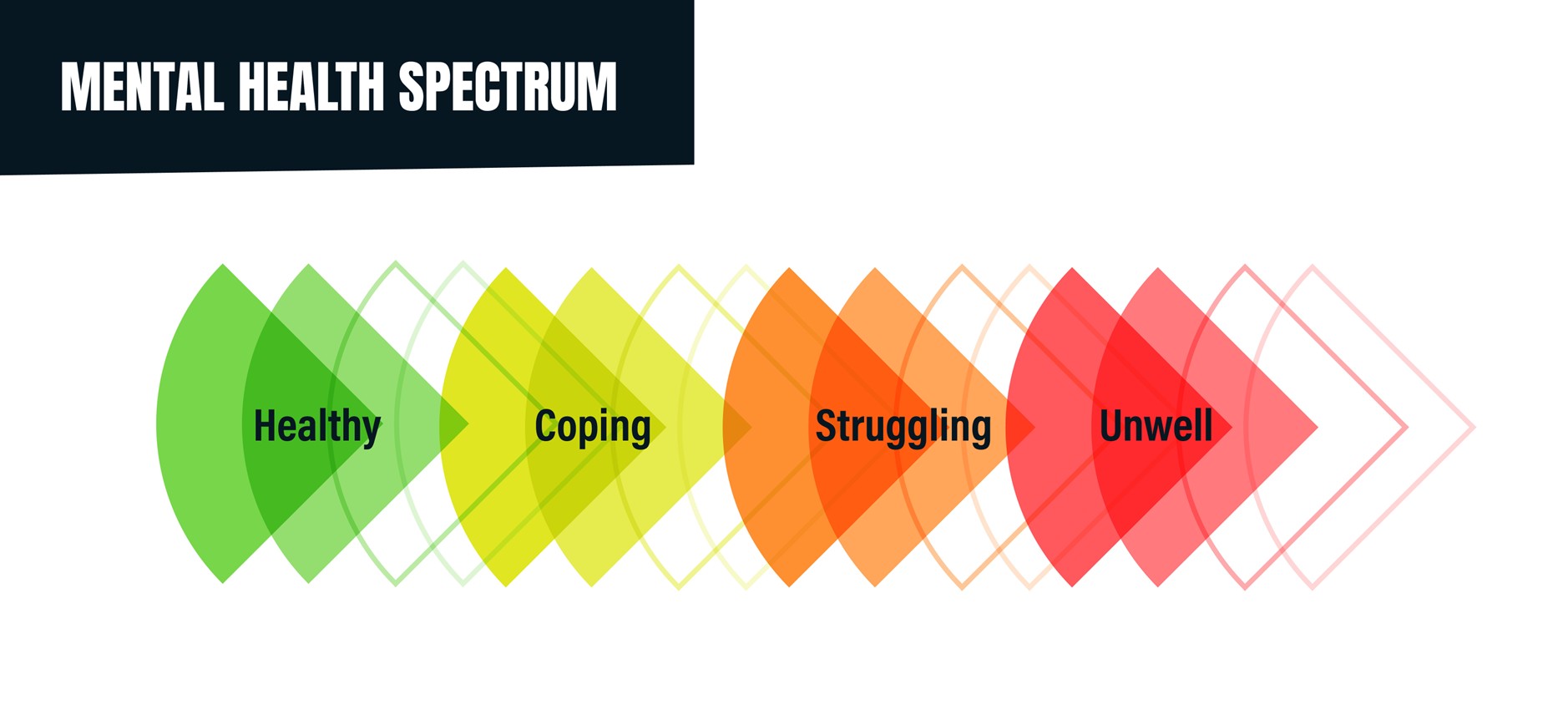
We also know that population mental health has deteriorated over the last decade, and that this deterioration is not evenly spread. People living in poverty, in more deprived areas, with long-term physical conditions, and those exposed to violence, discrimination or trauma are much more likely to experience poor mental health. Social housing tenants are disproportionately in these groups, so the risk is baked into the system unless we act differently.
Most housing policies have been written for a “sunny day, compliant tenant” – someone who can absorb complex letters, take time off work, open the door to strangers repeatedly and navigate multiple services when something goes wrong. That is simply not the reality for many residents, especially those living with mental distress, trauma, neurodivergence or caring responsibilities.
If we want housing to support good mental health rather than undermine it, we need mental health woven through every policy, not in a separate “mental health policy” that sits on SharePoint gathering dust, but in the way we design processes, communicate, measure success and support our workforce.
Why this is a bigger issue in social housing
Mental health and housing are linked everywhere, but social housing has some particular challenges:
Higher exposure to risk factors
Social housing tenants are more likely to experience poverty, insecure work, debt, discrimination, violence and long-term health conditions. These are all established risk factors for poor mental health. Poor quality, cold or damp homes, and prolonged stays in temporary accommodation, are risk factors in their own right and compound these pressures. Children in these households are often the most acutely affected. Housing insecurity, poor conditions and chronic stress in the home shape children’s emotional development, behaviour and educational outcomes, increasing the likelihood of mental health problems that can persist into adulthood. This means the impact of housing is not limited to the adults in a household, but can be intergenerational if not addressed early.Lower perceived control and limited choice
People often feel things are “done to” them: they are allocated homes, sent appointment times, moved between temporary accommodation, or told how processes will work with little real say. That loss of autonomy is strongly linked to poorer mental health.Intensive landlord contact – but not always on residents’ terms
Repairs, retrofit, compliance checks and safety work mean repeated access to the home. For people with trauma histories or anxiety, having strangers in their space can be extremely distressing. Missed appointments and “no access” letters can escalate stress and shame on both sides.Fragmented systems and data
Housing providers often do not have timely information from health services when a tenant is acutely unwell, discharged from hospital, or known to be at high risk. Health services rarely ask routinely about housing. GDPR is frequently cited as a barrier instead of a problem to be solved.Stretched workforce and overwhelmed “special teams”
Where there are dedicated staff for complex cases, they are often swamped or diverted to Ombudsman and complaint work. Front-line officers want to help but lack the time, tools and sometimes confidence to respond well to mental health need.
All of this means that if housing policies are not explicitly designed with mental health in mind, they will unintentionally make things harder for the very people who most need stability, safety and a sense of control.
Core policy areas every housing organisation should cover
1. Decent, safe, warm and stable homes
What policies should cover
Minimum standards on damp, mould, cold, overcrowding and hazards.
Timescales and accountability for putting serious defects right.
Clear approach to preventing homelessness linked to mental health crises or hospital admission.
Stability of tenure and minimising disruptive moves, especially repeated temporary accommodation.
Why it matters for mental health
Cold, damp, unsafe or insecure homes drive stress, sleep problems, shame, social isolation and worsening physical health - all of which increase risk of depression and anxiety. For people already unwell, losing a home because they are admitted to hospital is catastrophic. In social housing, where poverty and ill health are more common, getting the basics of the home right is a core mental health intervention.
2. Repairs, compliance checks and retrofit works
What policies should cover
How appointments are arranged (including genuine options, not just imposed dates).
Expectations on staff and contractors: ID, behaviour, punctuality, and what happens if they are running late or cannot attend.
Alternative pathways for residents with known mental health / trauma needs (e.g. longer slots, pre-visits, fewer people in the home, ability to say “not today” safely).
Processes for repeated “no access” that start with understanding and support, not immediate escalation and threat.
Why it matters for mental health
For someone with complex trauma, anxiety, OCD or psychosis, letting strangers into the home can feel unbearable. Missed appointments are not a minor inconvenience – they can mean lost wages, rearranged care, and a sense that the landlord does not care or keep their word. In social housing, where compliance programmes (e.g. gas checks, EICRs, retrofit works) can involve many visits, poor processes create a constant background of stress and conflict, and significant waste (high “no access” rates).
3. Choice, agency and co-production
What policies should cover
Commitment to offer real choices wherever possible: appointment times, communication methods, how works are sequenced, options about temporary moves etc.
Co-production with residents on major policies and programmes – especially those affecting the home, repairs and rent.
Mechanisms for residents to influence decisions, with feedback loops to show how their input has shaped outcomes.
Why it matters for mental health
A lack of control is corrosive to mental health. Social housing residents often experience services as things that are done to them by large systems they cannot influence. Building in choice, even in small ways, supports autonomy and dignity and reduces distress.
Co-production shifts people from being “managed” to being partners in decisions about their homes. It also leads to better decisions, because policies and practices shaped by lived experience are more likely to reflect tenants’ real needs, priorities and values, and to work in practice rather than just on paper.
4. Trauma-informed and psychologically safe practice
What policies should cover
Principles of trauma-informed practice (safety, trust, choice, collaboration, empowerment) applied to all services, not just “vulnerable” cases.
Expectations for all staff and contractors: how to enter and behave in someone’s home, how to handle distress, what not to do (e.g. threatening language, banging on doors, making assumptions).
Avoiding tokenism: trauma-informed practice as ongoing training, supervision, and process design, not just a poster or one-off course.
Why it matters for mental health
Many residents will have experienced trauma - violence, abuse, war, homelessness, discrimination - but you often will not know who they are. Designing services as if trauma is common (because it is) makes them kinder for everyone and essential for those at highest risk. Trauma-informed practice is not about labelling tenants; it is about designing systems that do not re-traumatise people every time they need a repair or get a letter.
5. Communication, language and follow-through
What policies should cover
Standard for all written and verbal communication: plain English, non-threatening tone, explanation of why something is happening and what choices people have.
Avoiding default “you must give us access or we’ll take legal action” letters as a first step, especially where there are known mental health issues.
Expectations about keeping promises: returning calls when you say you will, turning up when agreed, owning mistakes transparently.
Two-way communication: named contacts, easy ways for residents to tell you about mental health or access needs without shame.
Why it matters for mental health
Poor communication - especially official, legalistic or threatening wording – can be triggering, shaming and paralysing for people already struggling. Not doing what you say you will (e.g. no-shows for visits) is not just irritating; it can be soul-destroying, particularly when people have arranged their lives around an appointment. In social housing, where contact with the landlord is frequent and often problem-driven, communication quality has a huge impact on trust and mental well-being.
6. Recording and using information about needs (sensitively)
What policies should cover
How the organisation records residents’ needs, preferences and reasonable adjustments (e.g. mental health conditions, communication preferences, access needs) – with consent and clear explanations.
How this information is used in practice – e.g. flagging cases to specialist teams, tailoring appointments, avoiding repeating trauma stories.
Regular review of data to spot patterns (e.g. people with certain needs having higher no-access or complaint rates) and adapt services.
Why it matters for mental health
Residents repeatedly telling their story to different staff is exhausting and re-traumatising. If you already know someone is living with severe anxiety or psychosis, sending a standard “legal threat” gas-check letter is actively harmful. Collecting information but not using it is as bad as not collecting it at all. In social housing, where residents may interact with multiple teams and contractors, good data and intelligent use of it can be the difference between support and escalation.
7. Joined-up working with health and other services
What policies should cover
Clear referral pathways between housing, mental health services, GPs, public health and voluntary sector partners.
Where possible and lawful, data-sharing agreements or “opt-out” models that allow safe alerts (e.g. hospital admissions triggering a housing welfare check, without breaching clinical confidentiality).
Embedded roles where feasible – e.g. mental health workers in housing teams, or housing staff within community mental health teams.
Why it matters for mental health
Housing staff are often the first to see the impact of poor mental health (rent arrears, self-neglect, noise, neighbour conflict, “no access”). Health staff are often the first to see the impact of poor housing. When those worlds are not joined up, people fall through gaps and end up in crisis. In social housing, where the landlord is often the most consistent presence in someone’s life, joined-up working stops housing problems and health problems being treated as separate when they are clearly linked.
8. Support, skills and safety for the workforce
What policies should cover
Mental health support for staff, including regular supervision and debriefing, access to counselling, realistic workloads, and psychological safety to raise concerns without fear of blame or reprisal.
Training and capability building, including mental health literacy, trauma-informed practice, and confidence in having supportive conversations without expecting staff to “become therapists”.
Prevention of harm at work, by actively addressing known workplace risk factors for poor mental health, such as bullying, harassment, discrimination, excessive or unfair workloads, lack of role clarity, and poor management practice. Policies should make clear how these risks are identified, challenged and addressed.
Safeguarding and domestic abuse policies that recognise the emotional load carried by staff, particularly those working with distress, crisis and trauma, and that protect against burnout and vicarious trauma.
Why it matters for mental health
Front-line officers, repairs staff and contact centre teams are carrying complex stories, managing risk and sometimes facing aggression or distress daily. If their own mental health is unprotected, they cannot provide the calm, consistent presence residents need. As large employers and “anchor institutions”, housing organisations influence mental health both inside and outside the organisation; workforce policies are a big part of that.
9. Measurement, waste and what “good” looks like
What policies should cover
Measures that focus on outcomes and experience, not just activity – e.g. sustained access gained for previously “no access” homes, reduction in distressing escalations, improved resident-reported sense of safety and control.
Explicit attention to waste and failure demand (e.g. high levels of missed appointments, repeat visits, repeat complaints) and the mental health impact of this on residents and staff.
Resident involvement in defining “success” – not just board KPIs.
Why it matters for mental health
If success is measured only in “number of visits completed”, the system will optimise for speed, not for relationship and trust. A 70 per cent no-access rate is not just a cost issue; it is a sign that the process is misaligned with people’s lives and needs. In social housing, where resources are scarce, reducing waste by designing with mental health in mind is both humane and financially sensible.
10. Community, belonging and ontological safety
What policies should cover
Minimising churn and instability, including reducing repeated moves between temporary placements and supporting people to settle, personalise their homes and put down roots.
Reducing furniture poverty, recognising that a liveable, furnished home supports dignity, routine and a sense of safety, not just basic occupation.
Fostering connection and belonging, by encouraging safe, inclusive community spaces and activities that support social connection and reduce isolation.
Designing and managing public and shared spaces to support mental health, including:
Accessible, welcoming places for children to play and be active
Spaces that enable adults and older people to walk, exercise and spend time outside safely
Traffic-calmed or traffic-free areas where feasible
Reviewing and removing unnecessarily restrictive rules (such as blanket “no ball games” policies) that limit healthy play and social interaction
Ensuring parks, pathways and communal areas are well-lit, well-maintained and feel safe, particularly for women and girls
Homes do not exist in isolation. The design and management of estates, streets and shared spaces play a critical role in shaping everyday mental wellbeing, physical activity and a sense of belonging.
Why it matters for mental health
People need more than four walls; they need a place where they can see themselves living, where routines can form and where they feel they belong. Constant moves, bare rooms and isolation all undermine people’s sense of who they are and where they fit, sometimes called “ontological safety”. In social housing, where people may already feel marginalised, stabilising and humanising the home environment and its surroundings is fundamental to mental well-being.
Unlock all content
This is the 1 of 3 articles you can access for free. Become a member to unlock unlimited access to our full content library.