

We Need To Avoid “Quick Fixes” For Mould Solutions As Awaab’s Law Comes Into Force
31st October 2025
Stuart Smith,
Zehnder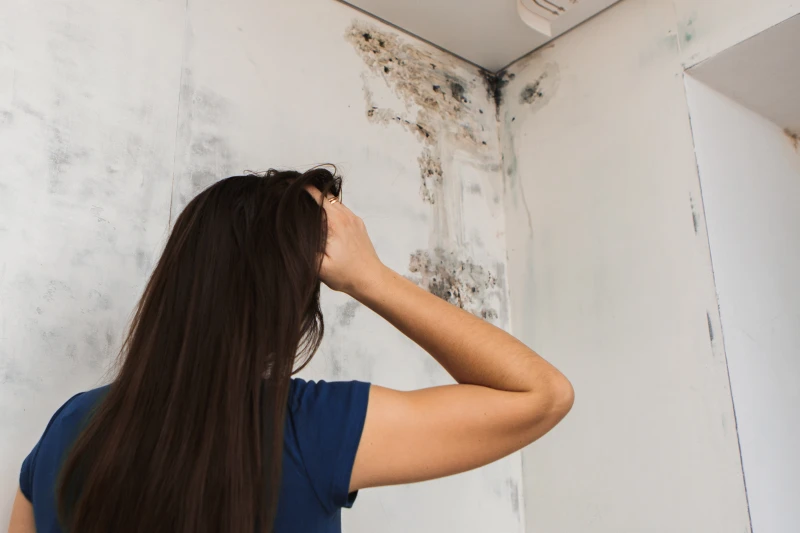
Two-year-old Awaab Ishak died in 2020 as a result of a respiratory condition caused by exposure to mould at the family’s Rochdale home. The inquest heard his father had repeatedly raised the issue yet no action was taken..
The Manchester North senior coroner concluded that ventilation in the one-bedroom flat was not effective, and the tragedy resulted in calls for stricter legislation to ensure social landlords keep properties free from serious hazards – including, but not limited to, damp and mould, and to ensure fit for human habitation. Awaab’s Law, which introduces important changes for social housing landlords, setting clear responsibilities and strict timescales for maintaining tenant health and safety has now come into force.
With the introduction of Awaab’s Law we predict there will be an influx of complaints raised across the social housing sector and with non-negotiable timelines for action there is a risk that landlords will seek a quick and obvious fix. But in doing so there is a danger of missing the root cause of the problem – when responding to a complaint, landlords need to make sure they know what they’re looking for.
For example, in a mould ridden property, the ‘obvious’ cause could be a cracked window frame or leak in the building fabric, yet underlying behaviours or recent structural changes could also be exacerbating the problem – it’s key that ALL sources of moisture are identified. We’re seeing many issues with upgraded insulation that hasn’t been considered in partnership with an effective ventilation system to help regulate indoor humidity levels. As a result, it’s created ‘airtight-box homes’ that turn bad in time. In fixing the obvious that is seen, authorities could be missing the unseen root cause of the outbreak, and the mould is likely to come back.
Mould outbreaks are most often caused by excess moisture build up in the property and lack of adequate air flow to ventilate that moisture effectively, causing condensation to form on cold surfaces, turning water vapour into liquid. Routine activities such as boiling the kettle, cooking, bathing, showering and even breathing can produce significant amounts of water vapour - up to 24 pints per day for the average family. The conditions created by condensation provide the perfect environment for mould and mildew to develop - creating conditions for dampness and toxic black mould to takeover and spread, which poses serious health risks to humans.
Without effective ventilation to extract the moisture the problem will continue to come back. Yet we know that over half of tenants (54%) turn off extract fans in their bathrooms and kitchen, which is often the only form of ventilation in the property. We also see undercuts on doors blocked up following the addition of carpets and window vents closed, meaning lack of air flow around the property.
Under the new law, landlords will be forced to investigate and fix damp and mould in social housing in England within strict timescales, but our recent research shows that 99.2% of UK landlords have mould problems in their housing stock - and a third (32%) of tenants say their homes have mould present in 5-6 rooms. The task currently seems insurmountable.
It’s a big and complex puzzle landlords are facing. Some problems may initially appear obvious, but they shouldn’t stop there in their investigations. Managing condensation in homes, particularly social and rented housing, requires a multi-faceted approach and getting the right balance of heating and ventilation to prevent it.
Education for landlords and tenants alike on how both sides can maintain a healthy indoor climate is essential in getting this right – calling in advice from external ventilation experts as well as tradesman is critical in seeing the bigger picture and tackling ALL of the causes of potential mould outbreaks at once.
Too often, mould is washed off and then painted over but if the root cause isn’t tackled it just comes back. Creating open channels of communication between landlord and tenant, will help both sides understand more about the causes of condensation and mould and allow suggestions and action for change. Landlords can then feel more in control and tenants will feel supported. This will minimise the conditions conducive to condensation, which can turn into harmful mould, ultimately protecting people’s health by improving their indoor environments.
Landlords shouldn’t feel alone in the task ahead. A collaborative effort is what is needed for success. But with around two million people currently living in social houses that need attention, this is one of the biggest renovation efforts we have seen in the UK. It will take all of our knowledge and expertise throughout the industry to ensure problems are fixed for good, not just plastered over.
Also, Awaab’s Law isn’t a static piece of legislation and will evolve to increase responsibility for tenant health and wellbeing – incorporating all requirements set out by the Housing Health & Safety Rating System (HHSRS). This evolving landscape will mean that social landlords and local authorities will need trusted partners to help them respond and keep on top of the challenges they face.
Unlock all content
This is the 1 of 3 articles you can access for free. Become a member to unlock unlimited access to our full content library.
Author