
Ventilation Is About Health, Not a KPI
15th September 2026
Nathan Wood

For far too long, ventilation has been treated as a box ticking exercise.
Was the job attended?
Was a fan fitted?
Was it completed on time? Great, close the job and move on.
But did anyone check whether the ventilation actually works?
A fan making a whirring noise proves very little. It doesn’t tell us whether the right amount of air is being moved, whether the ductwork is blocked or whether air can enter the home.
A ventilation system can still fail because a door undercut is too small or a background ventilator is closed, blocked or painted over. If air can’t move through the property, the system can’t work properly.
Outdoor pollution doesn’t stop at the front door. Windows, vents and MVHR systems can bring it inside, mixing with pollution from cooking, cleaning products, furniture and daily life. Without good design and filtration, we create a cocktail of exposure we still don’t fully understand.
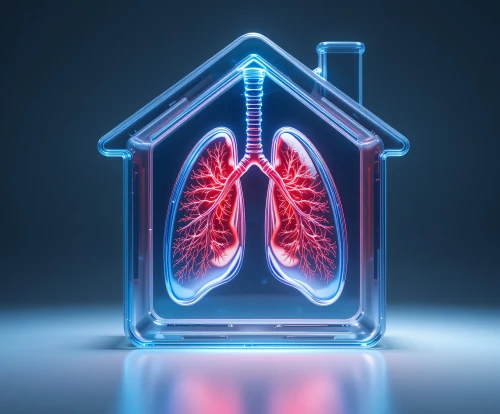
Ventilation systems are the lungs of a home. Clean indoor air should be a basic right, not a luxury.
If those lungs are badly designed, poorly installed or not maintained, damp, mould, condensation and pollutants can build while somebody lives, sleeps and raises a family there.
This is about health.
We’ve fallen into an energy trap: making homes airtight without setting clear health based limits for the air inside. A warm home isn’t automatically healthy.
The death of Awaab Ishak forced the sector to take damp and mould seriously. It should never have taken the death of a child, yet the response still doesn’t go far enough.
Ventilation shouldn’t be bolted onto a gas, repairs or mould contract for procurement convenience. These are different specialist skills. Servicing a boiler, removing mould or completing general repairs doesn’t prove competence to assess, install or maintain ventilation.
That raises questions around responsibility, insurance and liability. If a resident becomes unwell or a complaint reaches the Housing Ombudsman, can the landlord prove those carrying out the work were competent, insured and following a proper ventilation strategy?
Every property should have a recorded ventilation strategy showing how air enters, moves through and leaves the home. It should include required airflow, commissioning results, indoor air quality limits and a proper maintenance regime.
Technology alone can’t fix this. Sensors and dashboards mean nothing unless people understand, trust and act on the information. Residents need clear guidance on how ventilation works and useful alerts when conditions change. They should be part of the solution, not blamed when a system fails.
Good standards must be easy to understand and freely available. Residents, landlords and contractors should all know what healthy air looks like, what is expected and what action should follow when results fall short.
We talk about return on investment, but what about the human return? How many years of healthy life could proper ventilation protect, and what could that save society?
We must stop accepting noise as proof of airflow, activity as proof of competence and a closed job as proof of a healthy home.
Ventilation isn’t just about protecting a building. It’s about protecting the people living inside it.
By Nathan Wood, Managing Director, Farmwood
Image credit: Farmwood
Unlock all content
This is the 1 of 3 articles you can access for free. Become a member to unlock unlimited access to our full content library.