
Ventilation in Homes: How Do You Know It’s Fitted and Maintained Properly?
9th April 2026
Jenny Danson
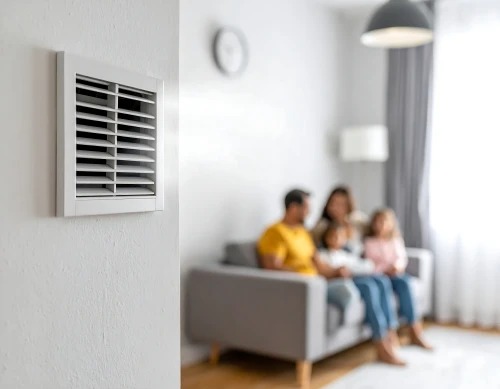
Ventilation is one of the most misunderstood systems in our homes – and one of the most important.
When it works well, it’s invisible. When it doesn’t, the consequences show up in damp, mould, poor indoor air quality and, ultimately, people’s health. Yet ventilation is still too often treated as a simple add-on rather than the lungs of the building.
For landlords, this raises an uncomfortable but necessary question:
How confident are you that your ventilation systems are being fitted and maintained properly, by people who are genuinely competent to do so?
A short history of ventilation in homes
1980s: Leaky Homes and Unintended Ventilation
Forty years ago, most UK homes were anything but airtight. Single glazing, open chimneys and minimal insulation meant air moved freely in and out of buildings.
This “accidental ventilation” diluted moisture and indoor pollutants, even though it came with cold homes and high energy use. Ventilation wasn’t designed, measured or discussed – but it happened.
1990s: Energy Efficiency Takes Priority
As insulation improved and draught-proofing became common, homes began to retain heat more effectively. But ventilation strategies didn’t keep pace.
Extract fans were often underpowered or poorly installed. Trickle vents were routinely closed by residents trying to stay warm. Homes became more energy efficient, but moisture, condensation and indoor air quality issues increased.
At the time, ventilation was commonly installed by electricians or plumbers as a “plug-and-play” component – a fan in the bathroom linked to the light switch or a manual pull cord. That approach reflected the technology of the time.
But technology has moved on.
Modern ventilation is not plug and play
Today’s homes are far more airtight. That means ventilation systems now play a critical role in protecting health. Modern ventilation must account for:
Airflow: Is the right amount of air being supplied and extracted?
Balancing: Is air being moved correctly throughout the home, not just extracted from one room?
Energy efficiency: Is the system delivering fresh air without unnecessary heat loss?
Integration with the building: Does it work with the fabric, fire, heating system and occupancy patterns?
This is no longer about fitting a fan. It’s about designing, installing and commissioning a system that performs as intended. Yet too often, ventilation is still treated as a simple electrical or plumbing job. And that’s where the risks begin.
The reality: poor installation and poor maintenance
The data is sobering:
Around 80 percent of ventilation failures are linked to poor installation, not product failure
Around 70 percent of ventilation systems are not adequately maintained
When ventilation doesn’t work, it’s rarely because the technology is flawed. It’s because systems were:
Incorrectly specified
Poorly installed
Never commissioned properly
Left unmaintained once residents moved in
The result is homes that look compliant on paper but fail the people living in them.
The health consequences of getting ventilation wrong
Ventilation failure isn’t just a technical issue. It’s a health issue.
Poorly ventilated homes are linked to:
Damp and mould growth
Increased respiratory conditions
Worsening asthma symptoms
Poor sleep and general wellbeing
Higher long-term maintenance costs
You wouldn’t accept a gas boiler being installed by someone without the right qualifications. Gas engineers are regulated. Refrigerants require certification.
But ventilation, the system responsible for removing moisture and pollutants from the home, has no equivalent universal regulation or competency requirement.
That should concern every landlord.
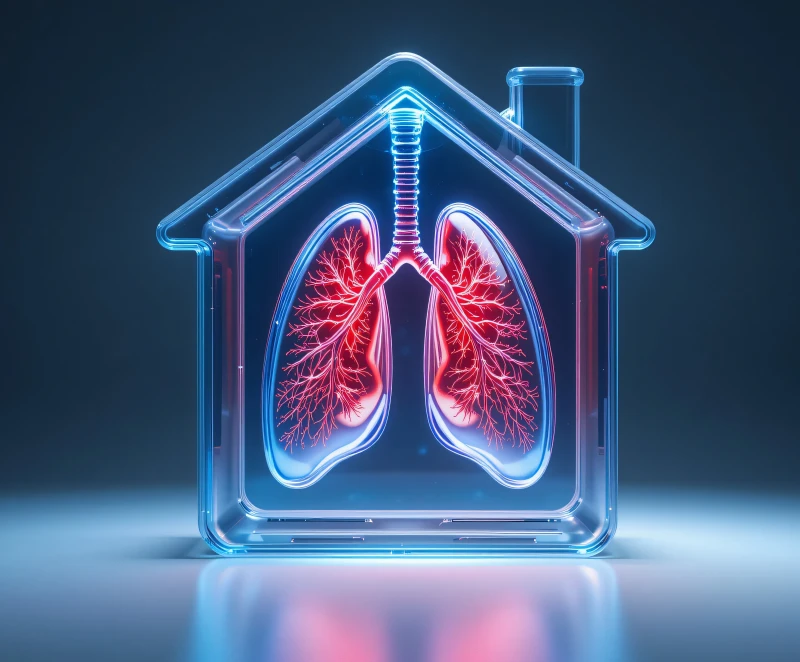
Ventilation is the lungs of the building
A building cannot be healthy if it cannot breathe properly. To achieve good indoor environmental quality, ventilation must work alongside:
Thermal comfort: keeping homes warm without trapping moisture
Air quality: ensuring fresh air reaches every occupied space
This requires both competence and confidence.
Competence in the people designing, installing and maintaining systems.
Confidence from landlords that the work has been done properly – and will continue to perform over time.
Ask yourself:
Do you know who installed your ventilation systems?
Were they trained specifically in ventilation, not just electrics or plumbing?
Was airflow measured and balanced?
Is there a maintenance plan in place, and is it followed?
If the answer to any of these is no, there is a risk – to your stock and to residents’ health.
A challenge to landlords
Ventilation has changed. Homes have changed. The expectations on landlords have changed.
What hasn’t changed enough is how we assess competence in those installing and maintaining ventilation systems. This isn’t about blame. It’s about recognising that ventilation is no longer a background detail. It is a core health system within the home.
At Healthy Homes Hub, we believe that healthy homes start with informed decisions, about design, installation, maintenance and the people trusted to deliver them.
Because when ventilation fails, people feel it.
And when it works properly, it protects health quietly, every single day.
What should landlords do now?
Ventilation is no longer a background technical detail. It is a health-critical system, and landlords have a direct influence over whether it protects residents or puts them at risk. The good news is that there are clear, practical steps you can take now.
Treat ventilation as a health system, not a component
Start by reframing ventilation internally. It is not just a fan, a box on a wall or a line in a specification. It is the lungs of the building. This means it should be discussed alongside damp, mould, overheating, respiratory health and fuel poverty, not separately from them. If ventilation sits only with compliance or capital works teams, that’s a red flag.
Ask the right questions of installers and maintainers
Do not assume competence based on trade alone. Electricians and plumbers are highly skilled, but modern ventilation requires specific knowledge.
Ask:
What ventilation-specific training and accreditation do you hold?
How do you calculate required airflow rates?
How do you commission and balance systems?
What evidence do you provide that the system performs as designed?
If clear answers aren’t forthcoming, confidence may be misplaced.
Require commissioning evidence - not just installation sign-off
A system that is installed but not commissioned properly is a system that may never work as intended.
Insist on:
Measured airflow rates
Balancing reports where relevant
Clear handover information for asset teams and residents
If you don’t have evidence, you don’t have assurance.
Put maintenance on equal footing with installation
Around 70 percent of ventilation systems are not adequately maintained. Filters clog, fans degrade, sensors drift and performance drops quietly over time.
Ventilation maintenance should:
Be planned, not reactive
Sit within asset management strategies
Be budgeted for over the life of the system
A “fit and forget” approach is a known risk.
Build internal understanding and confidence
Landlords don’t need to become ventilation engineers, but they do need enough knowledge to be intelligent clients.
That means:
Upskilling asset, repairs and housing teams
Understanding the basics of airflow, moisture and air quality
Knowing when something doesn’t look or feel right
Confidence comes from understanding, not blind trust.
Join the dots between data, homes and health
Where possible, use data to understand how homes are performing in real life. Patterns of damp, mould or repeated complaints often point to ventilation issues long before systems are formally labelled as “failed”.
Ventilation should be part of a joined-up conversation between housing, health and property teams.
A final thought
You wouldn’t allow an unqualified engineer to install a gas boiler. You wouldn’t accept refrigerants being handled without certification.
So it’s time to ask why we still allow ventilation, a system that directly affects health, to be treated differently. Healthy homes require breathable buildings. Breathable buildings require competent design, installation and maintenance. And competence starts with landlords asking better questions.
If you’d like support exploring this further, Healthy Homes Hub exists to help the sector learn, share and raise the bar together.
Unlock all content
This is the 1 of 3 articles you can access for free. Become a member to unlock unlimited access to our full content library.