

In our changing climate, we need more attention on the overheating of our homes
28th January 2026
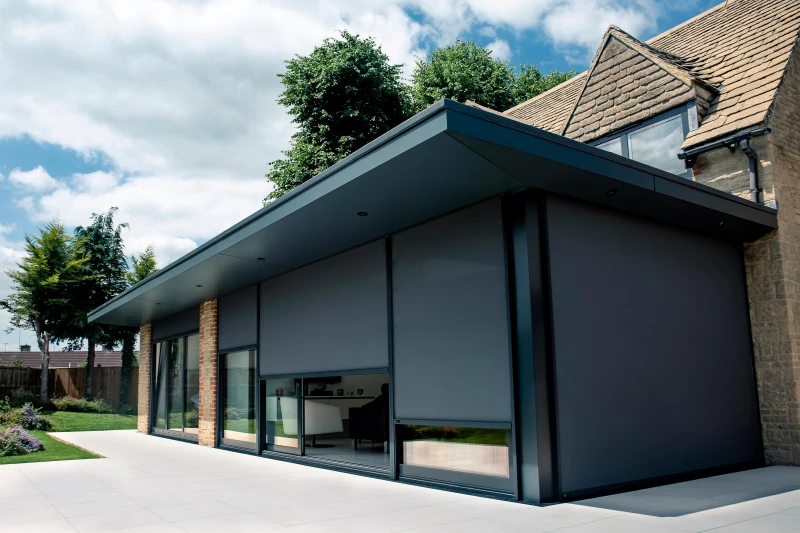
As UK summers grow hotter, Caribbean Blinds’ MD Stuart Dantzic explores the overlooked role of external shading in keeping homes cool.
For more years that can be counted, British householders have been obsessed with keeping their homes warm and retaining heat. It’s no surprise that chilly winter days see us reaching for the thermostat, the extra log for the woodburner or that cosy thermal blanket.
Yet, few of us could have failed to notice that in the 21st century, the traditional British winter of the sort you find on Christmas cards barely exists. As I write this article, it is the middle of January and daffodils can be seen in gardens and alongside grass verges. Climate change is upon us, and it is time we focused on keeping our homes cool as opposed to staying warm.
Why UK homes are no longer designed for today’s summers
By any measure, UK summers are heating up. In 2025, the country experienced four distinct heatwaves, with temperatures climbing well above 30°C, accompanied by drought and wildfires. Extreme heat is becoming the norm, and when homes overheat, there can be serious consequences for health, wellbeing and energy demand.
One fifth of UK homes now use some form of mechanical cooling. A decade ago, that figure would have sounded unimaginable. Air conditioning is seen as a default solution, yet it’s hardly a sustainable one. It relies on electricity, often drawn from a stressed grid, and contributes to carbon emissions. We need to think more carefully about how our homes deal with the sun, rather than just how they stay warm.
Shading: the missing link in passive cooling
At the heart of overheating is solar gain. Sunlight passes through windows as shortwave radiation and is absorbed by floors, walls and furniture. That energy then radiates back as longwave heat, slowly raising internal temperatures. Modern architecture – with its large windows, glass walls and bifold doors – has made the problem almost inevitable in new builds. But there is a simple way to address it: shading.
External solar shading stops the sun before it reaches the glass. Independent studies show effective external systems can block almost all incoming solar heat and reduce internal temperatures by close to 20 degrees during peak conditions. That’s passive cooling in its purest form, but the benefits go beyond comfort. Research from across the UK and Europe links rising summer temperatures with increased mortality, with thousands of heat-related deaths reported in recent years. Poorly adapted buildings can turn climate challenges into public health crises.
From a resilience perspective, heatwaves drive up electricity demand precisely when the grid is under most pressure. Simple interventions such as shading reduce these peaks, easing strain on infrastructure and helping avoid high-carbon backup generation.
However, awareness remains surprisingly low. A survey commissioned by Caribbean Blinds last summer found that 41 per cent of homeowners were concerned about overheating, yet only 15 per cent recognised that inadequate window shading was a key factor. Many people still rely on stopgap measures: drawing curtains, using portable fans or turning on air conditioning. At the same time, some 40 per cent of respondents said they would consider spending £500 or more on a permanent solution if the benefits were clearer. So the appetite for change is there, even if the understanding isn’t.
From southern Europe to the UK: relearning how to live with the sun
Shading is hardly a new idea. In southern Europe, shutters and awnings remain a standard feature of homes and streets. In the UK, retractable awnings once shaded shopfronts from sun and rain. Cheap energy led to these solutions falling out of fashion, but now they need to be reintegrated into modern design in a way that preserves daylight, views and aesthetics. External systems sit outside the building envelope, filtering light rather than blocking it completely, and can adapt dynamically to changing weather conditions.
By moderating solar gain, shading reduces the need for mechanical cooling and helps control glare, meaning less reliance on artificial lighting. Over time, this translates into measurable reductions in energy use and carbon emissions, particularly in urban areas.
Modern glazing has changed the rules
Modern homes come with their own challenges. Larger windows and sliding doors, which are hugely on-trend, increase solar gain. External blinds designed for vertical glazing, such as floor-to-ceiling windows and patio doors, or for horizontal glazing like skylights, can make a real difference. They are versatile, adaptable and suitable for both new builds and retrofit projects. With the right knowledge, homeowners can protect their homes from overheating without compromising light or views.
Future-proofing homes without adding energy demand
Looking forward, smarter cooling is no longer an optional extra. Fans and air conditioning have their place, but they are only part of the answer. Investing in shading is a way to future-proof homes, providing comfort without ongoing energy costs and without adding to carbon emissions. It’s a practical step towards the low carbon buildings the future demands.
In short, if we want homes that are comfortable, resilient and sustainable, we need to bring shading back into the conversation. It is a low-energy, high-impact tool that is often overlooked in design discussions dominated by insulation, heat pumps and solar panels. As our climate warms, ignoring it will only lead to higher bills, greater strain on infrastructure, and homes that are unpleasant to live in.
External shading offers a clear, evidence-backed, and adaptable way to manage heat, improve comfort and protect public health. It is not a luxury; it is an essential part of the toolkit for low carbon, future-ready homes. The sooner we recognise its value, the better prepared we will be for the summers ahead.
Download Caribbean Blinds’ exclusive white paper here.
Unlock all content
This is the 1 of 3 articles you can access for free. Become a member to unlock unlimited access to our full content library.