

Help & Advice for Dealing with Mould & Condensation
20th January 2025
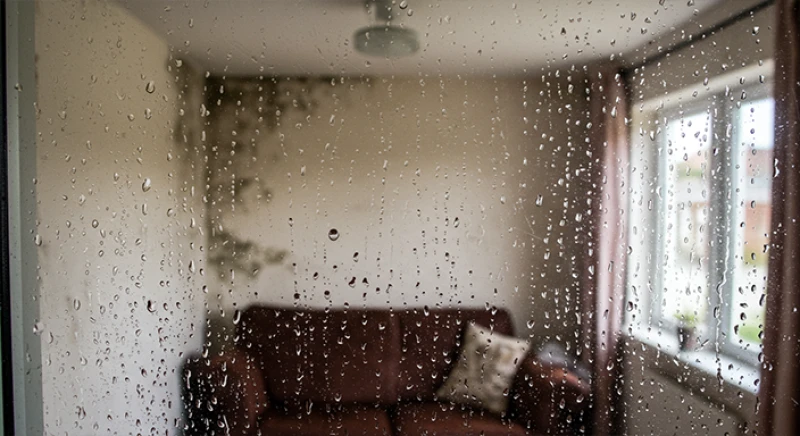
If you are a landlord, managing mould and condensation effectively is essential for the health and wellbeing of tenants, as well as maintaining the property.
No building is immune. Condensation is an often-overlooked issue that silently develops inside buildings, leaving behind a trail of potentially severe consequences. Whilst it might seem harmless at first glance - after all, it is just a bit of water - the impact if left to its own devices can significantly affect the structural integrity of a building and the health of occupants inside.
Older buildings without sufficient insulation are most vulnerable, as colder walls can encourage moisture to condense. However, even newer builds which have been designed with improved insultation to meet Net Zero objectives, can experience issues if airflow is restricted or compromised. In our efforts to build more energy efficient, airtight homes, we often overlook the effects this can have on indoor air quality.
Without ventilation, excess moisture and stale air become trapped inside the house creating an unhealthy environment.
What is Condensation and why it is a problem:
Condensation occurs when warm, moist air comes into contact with a cold surface, turning water vapor into liquid. This is a common occurrence in homes due to temperature variations between indoor and outdoor environments. Without effective ventilation, the airflow is restricted and humidity build-up exasperates the problem.
For the building, persistent condensation on walls and ceilings in colder weather can damage interior finishes and has the potential to compromise a building’s structural integrity. Prolonged moisture accumulation can then lead to the decay of building materials. Over time, this deterioration can weaken structural components, resulting in costly repairs and jeopardising the safety of the house.
Condensation-induced moisture also undermines the effectiveness of insulation materials, reducing their thermal performance and in turn defeating the point of insulating for thermal efficiency. This constant battle between warm indoor air and cold external surfaces leads to increased energy demands for heating, driving up energy costs and putting strain on building systems.
But most alarmingly, the conditions created by condensation provide the perfect environment for mould and mildew to develop - creating conditions for dampness and toxic black mould to takeover, which poses serious health risks to humans. The spores released into the air can lead to a variety of respiratory problems and allergic reactions among occupants. Without effective ventilation and humidity control, these issues persist and worsen over time.
Below, Zehnder’s Indoor Air Quality Experts offer tips on how to maintain a healthy indoor climate and help protect housing stock against the build-up of condensation and mould:
Conduct Regular Inspections - regularly check areas prone to damp, such as bathrooms, kitchens, basements and around windows. Look for early signs like peeling paint, discoloured walls or musty smells.
Check the Building Exterior - inspect gutters, drains and downpipes to ensure they are not blocked or leaking. Repair damaged roofs or walls where water might enter. Make sure external walls are properly weatherproofed.
Maintain a consistent indoor climate - ensure consistent heating during colder months to prevent condensation and advise tenants on using heating appropriately to balance warmth and ventilation. Avoid only heating certain rooms as this can cause cold spots allowing mould to develop if left unchecked.
Give the radiators some love – like a boiler, the rest of a home heating system needs annual maintenance too. While the heating is on check all radiators are hot from top to bottom. Cold at the top and they might have air inside and need bleeding, cold at the bottom and they might be full of sludge and need flushing by a professional. Keeping them working properly could save £50 per year on heating bills and maintain better heat output for the house.
Upgrade home ventilation – check the age of the extractor fans in your properties. If they are over 5-10 years old they might need replacing. Fan technology has progressed a lot in recent times and you might find a newer model will give better performance, less noise and increased efficiency. New fans on the market, like the Zehnder CV2.1APP now allow landlords to monitor usage of the fans in their properties to get a clearer picture of why mould outbreaks occur. This enables them to track faults and have an open dialogue with their tenants and provide crucial education on how to keep the property healthy. These fans also include humidity sensors to give a boost, or more demand ventilation when it is needed, for example after showering or while drying clothes.
Make sure fans are installed correctly – it is recommended that ridged or semi-ridged ducting is used for all extract fan installation where possible. Flexible ducting should be avoided, however if used should be as straight and taught as possible, avoiding any bends or creases that might restrict airflow and affect the fan’s performance. Check for clear air paths into the property for ventilation systems to work properly – bringing fresh air in, while extracting stale and humid air. Trickle vents in windows or undercuts on the doors are good natural ventilation points but make sure these aren’t blocked by new carpets or furnishings or closed by tenants.
Encourage tenants to keep extract fans turned on – many think extract fans in kitchens and bathrooms make the house cold and are expansive to run but that’s a myth. Modern fans work to reduce moisture in the air and can cost less than £2 per year to run. But be sure to check and clean the vents regularly – a hoover and dust once or twice a year should keep them in good working order.
Talk to tenants about positive living habits - routine activities such as drying washing, boiling the kettle, cooking, bathing, showering and even breathing can produce significant amounts of water vapour – up to 24 pints per day for the average family. Without proper extraction this moisture can accumulate, finding the coldest surface and forming condensation. Talk to tenants about healthy home habits and encourage them to avoid drying clothes indoors where possible and use extract fans in kitchens and bathrooms to remove steam from cooking and bathing. If fans are only present in bathrooms, opt to dry clothes in this room with the door shut and fan on to remove the excess water vapour in the air.
Catch breakouts early – if tenants report any mould on walls or window frames tackle it as soon as possible. Wash down the affected area with warm soapy water, leave to dry then treat with a mould and mildew spray or fungicidal wash to kill the spores. Don’t just paint over it or ignore it as it will come back or spread uncontrollably. Effective ventilation is vital to prevent future problems.
For further help or advice, contact Zehnder for a personal consultation
Unlock all content
This is the 1 of 3 articles you can access for free. Become a member to unlock unlimited access to our full content library.
Author