
Climate Resilience: Why Social Housing Needs to Move Climate from the Side-lines to the Centre of Decision-Making
30th September 2026
Ruth Dent,
RE:GEN Group
Climate change has often been viewed solely as an environmental issue. Something important (to most) but often sitting alongside the asset or the housing strategy rather than driving it.
The reality is that climate change is now influencing almost every aspect of how we operate. It affects the condition of our homes, the wellbeing of our residents, the reliability of our supply chains, the delivery of our investment programmes and, ultimately, our ability to provide healthy, safe, affordable places to live. Therefore, climate resilience is no longer a specialist discussion ; it is a core business consideration.
At Housing 2026 alongside the usual networking, debate and catching up with old friends, another topic quickly emerged….. disruption.
Over the course of the event, countless conversations started with the same theme, delayed trains, cancelled journeys, colleagues changing travel plans at the last minute. Some participants left the city early to get ahead of the midday temperatures and avoid potential disruption later in the day. Planned catchups simply didn't happen because people were trying to navigate a transport network struggling to cope with the heat. On the surface, these were relatively minor inconveniences, annoying, certainly, but manageable.
Or were they?
When we look through the lens of housing delivery, these seemingly small disruptions begin to tell a much bigger story. If extreme temperatures can disrupt national transport infrastructure, what could that mean for investment programmes? How many operatives failed to reach site on time? How many deliveries were delayed? How many planned appointments had to be rearranged? How many projects absorbed additional costs as contractors and supply chains scrambled to adapt to circumstances beyond their control? And most importantly, what was the impact on residents?
Because every delayed delivery, missed appointment or extended programme ultimately lands with a resident waiting for a repair, an adaptation or an improvement to their home.
For me, this is where climate resilience becomes tangible. It stops being a discussion about future environmental scenarios and becomes a conversation about operational performance, resident experience and risk management.
This summer was, a reminder that climate change doesn't only affect homes through flooding, overheating or extreme weather events. It affects the wider systems we rely upon to deliver services. Transport infrastructure, supply chains, labour availability, material production, food and utilities all have climate vulnerabilities of their own.
Future-proofing our homes, not just maintaining them
So, if every home in the UK were upgraded tomorrow, would it stop climate change?
Of course not….. The causes of climate change are global and complex, but what we can do, is try to mitigate some of the impacts.
If we could bring every home to the highest energy standards and remove fossil fuel heating, the prize could be around 60 million tonnes of carbon savings each year. That's roughly equivalent to taking almost every car in Britain off the road.
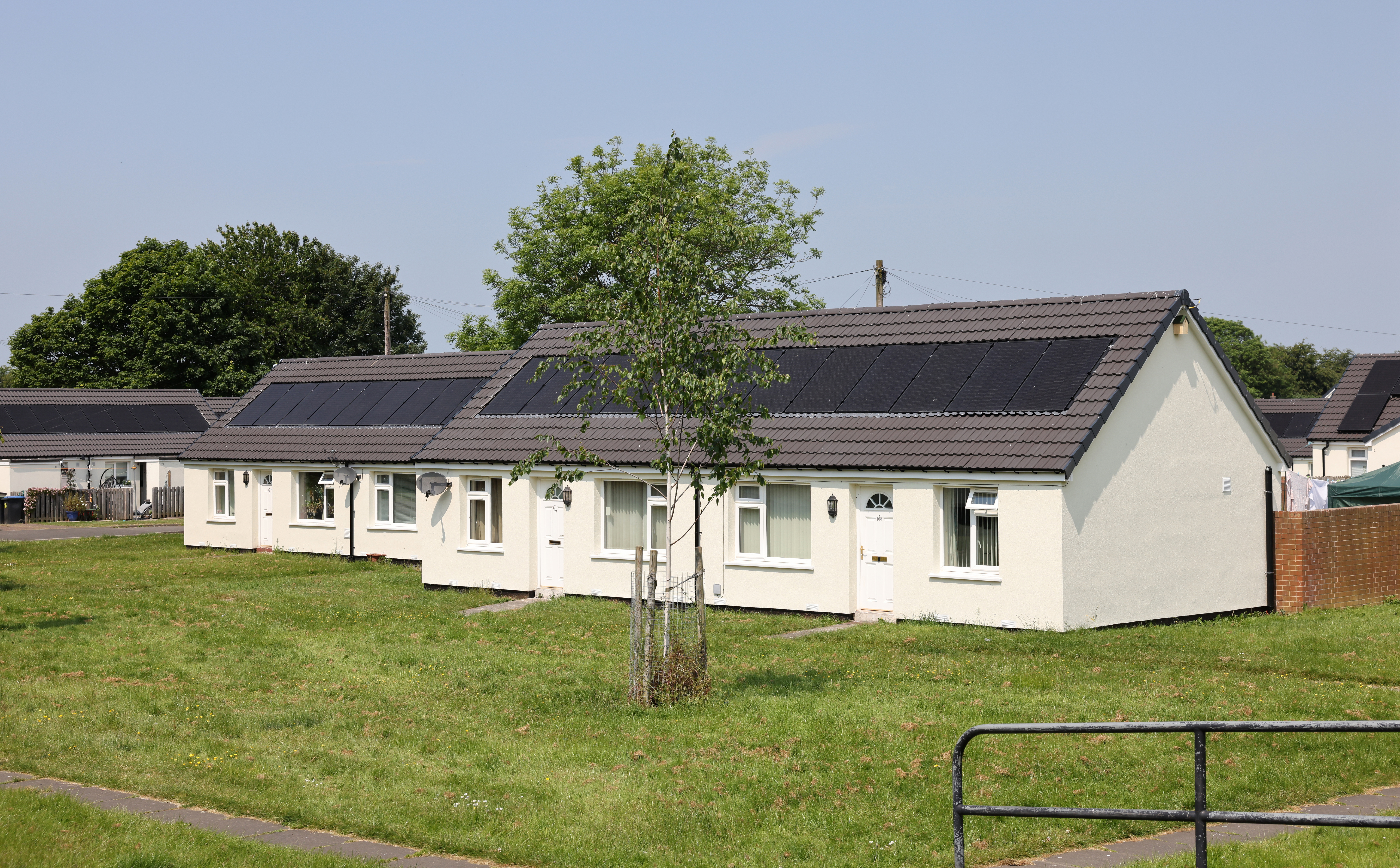
Historically, our investment programmes have focused on repairing, replacing and maintaining. Alongside this we’ve been thinking about our future residents, emerging technologies, aging populations and what might we all want from our future homes to make sure they remain suitable in ten, twenty or even fifty years' time.
But something new is lurking on the not-too-distant horizon, most of the homes we manage were built for a different climate. Higher temperatures, more frequent heatwaves and intense rainfall are placing new pressures on buildings that were never designed to experience them.
That means managing overheating alongside thermal efficiency, ensuring drainage can cope with heavier rainfall and understanding how changing weather patterns affect long-term asset performance. It means recognising that our British trees that shade us and are central to our beautiful green spaces, may no longer be able to thrive. But most importantly, it means recognising that climate resilience is not simply about protecting buildings. It is about protecting the people who live within them.
The human side of climate resilience
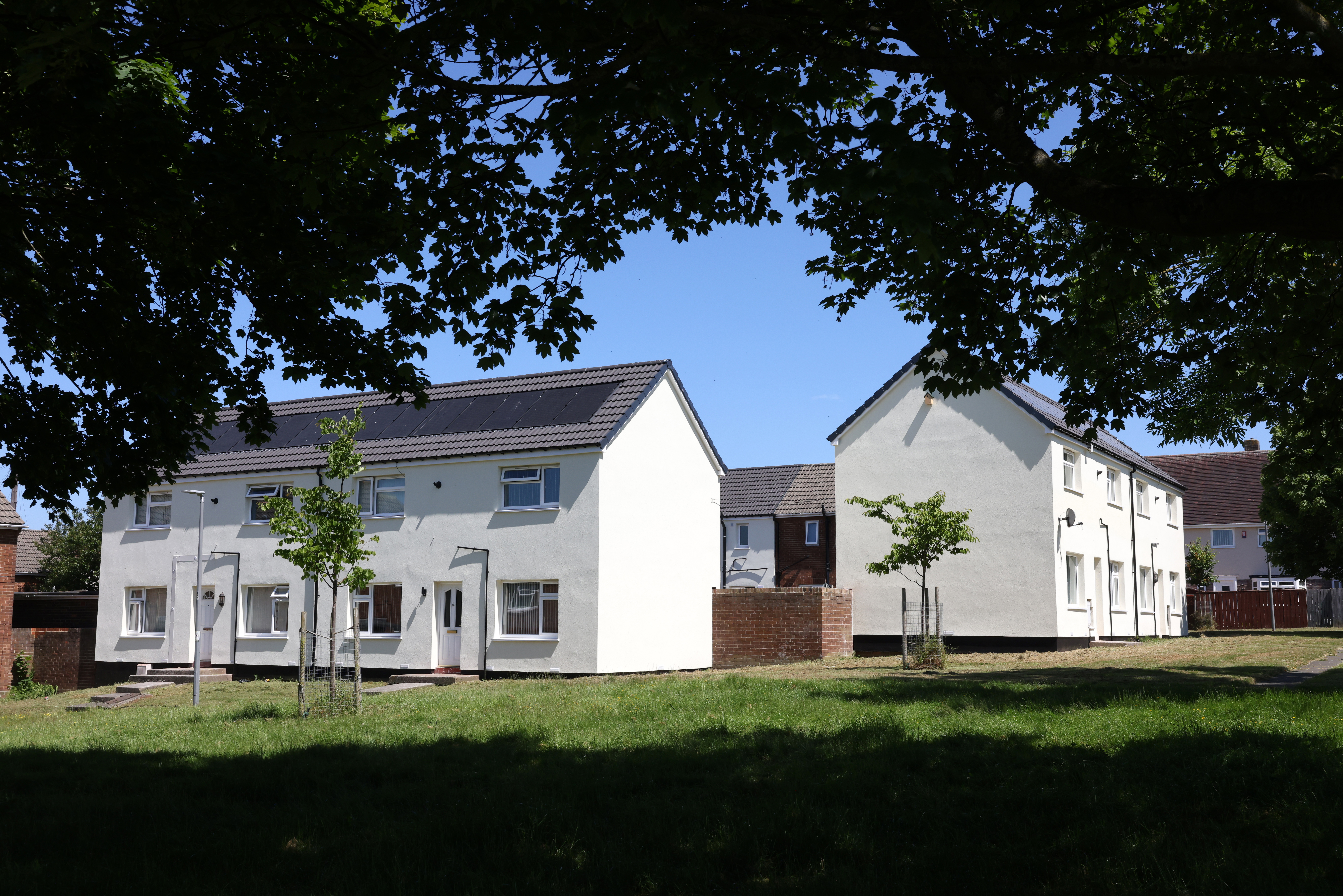
For years, we've rightly focused on the impact of cold homes. We've built compelling evidence around fuel poverty, health inequalities and the effect poor housing can have on children's educational attainment. We understand that a child trying to do their homework in a cold, damp home starts from a very different position to one living in a warm, comfortable environment.
But are we paying enough attention to the human impact of heat? We know extreme heat can have a significant impact on physical and mental wellbeing. We are seeing growing evidence linking prolonged periods of heat to increased stress, aggression and interpersonal conflict, alongside concerns about rising levels of domestic abuse and gender-based violence during extreme weather events. While heat does not cause abuse, evidence suggests it can intensify existing pressures within households and communities.
We're also seeing the emergence of climate anxiety, particularly amongst younger generations. Research has found that many young people feel anxious, powerless and worried about the future because of climate change, with a significant proportion reporting that those feelings affect their daily lives.
For residents already feeling the pressure of rising costs, climate change isn't experienced through policy papers or net zero targets. It's experienced in the moments that matter every day. It's whether the home stays warm without worrying about the next energy bill. Whether a bedroom becomes too hot to sleep in during a heatwave. Whether life feels a little more comfortable, secure and affordable.
While we talk about carbon, retrofit and resilience, most residents are asking much simpler questions:
"Will my home be comfortable?"
"Can I afford to heat it?"
"Can I afford to keep it cool?"
"Will these changes genuinely make life better for me and my family?"
That's why residents must be at the heart of the conversation as partners. The most successful solutions will be the ones designed with communities, not for them. We need to be honest about trade-offs, listen carefully and demonstrate how climate resilience can improve comfort, wellbeing and affordability.
We also shouldn't forget our colleagues. Every day, people across our organisations are out in communities, on building sites and in customers' homes. As temperatures rise and weather becomes more unpredictable, we have a responsibility to think about their wellbeing too.
Ultimately, climate resilience isn't really about buildings. It's about people. It's about protecting our workforce, helping families thrive in homes that are safe, comfortable and fit for the future.
For social housing providers, that makes climate resilience far more than an environmental agenda, it's a resident agenda, a business agenda and, above all, a people agenda.
By Ruth Dent, Chief Experience Officer, RE:GEN
Image credit: Adobe Stock
Unlock all content
This is the 1 of 3 articles you can access for free. Become a member to unlock unlimited access to our full content library.
Author