

A Balancing Act: How We Keep Our Homes Warm In Winter And Cool In Summer
11th August 2025
Mustafa Mustafa

There’s long been a focus on keeping homes warm in winter – and rightly so. The cost-of-living crisis has only heightened the issue, with too many people forced to make impossible decisions between heating or eating. According to the Office for National Statistics (ONS), there were an estimated 13,400 excess winter deaths in England and Wales in 2022–2023, with cold homes being a significant factor.
This is a critical issue for everyone involved in social housing. At Morgan Sindall Property Services (MSPS), we’re working closely with local authorities and housing associations to improve home quality, efficiency and comfort through retrofit and planned maintenance programmes.
But now, the narrative is evolving.
The government’s Warm Homes Plan – its flagship policy on domestic energy efficiency – aims to reduce fuel poverty, improve the energy performance of homes, and support the journey to net zero. It targets low-income and vulnerable households to help them access warmer, healthier, and more energy-efficient homes. Funding was confirmed in this summer’s Spending Review, with further detail expected in the autumn. As it stands, 3.17 million households in England are living in fuel poverty (DESNZ, 2024).
Even as we enjoy the summer, winter isn’t far off. The next energy price cap, covering October to December, will be announced on 27th of August. Currently, the average annual energy bill under the July–September 2025 cap is £1,568 for a typical household (Ofgem, 2025). Through our property data insights and energy performance assessments, MSPS is helping landlords and residents get ahead – planning for seasonal energy demands and supporting long-term reductions in energy use and cost.
It’s not just about winter anymore
This summer has already seen three official heatwaves. The reality of climate change means overheating homes are becoming a real concern. In 2022, heat-related deaths in England reached over 2,800 – the highest on record (UK Health Security Agency, 2023). Overheating is now the “new norm” in poorly ventilated homes, especially for those in vulnerable circumstances.
This presents a major challenge for the housing sector: how do we create homes that are warm in winter, cool in summer, and comfortable and affordable all year round?
Cold homes are dangerous – especially for older people, young children, and those with health conditions. They increase the risk of respiratory illness, cardiovascular disease, poor mental health, and falls. A review by the National Institute for Health and Care Excellence (NICE) found that cold homes raise the risk of heart attacks, strokes, bronchitis, and pneumonia (NICE, 2015).
But overheating homes carry their own risks – from heat exhaustion and stroke to dehydration, poor air quality, and worsened mental health. Again, the most vulnerable – including babies, older people, and those with chronic illnesses – are most affected.
Creating homes that support health, all year round
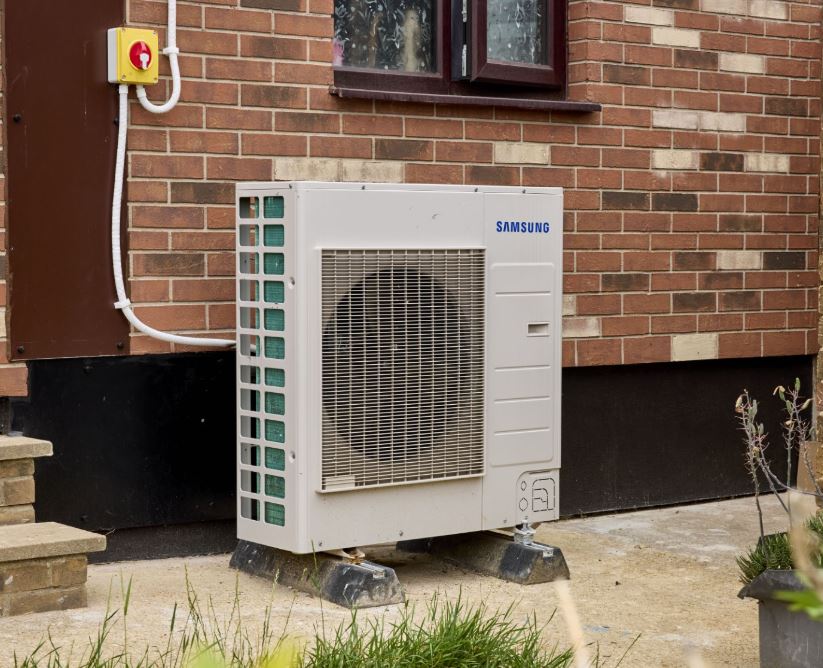
This means we need to think differently. Healthy homes require a balanced approach – integrating energy efficiency, passive design and adaptable systems that can respond to both ends of the temperature scale. No single measure is enough on its own.
That’s why we focus on a combination of solutions:
Insulation and airtightness to reduce winter heat loss and limit summer heat gain. The Energy Saving Trust estimates that properly installed insulation can save up to £555 a year on energy bills in a semi-detached house (Energy Saving Trust, 2024).
Ventilation systems that recover heat in winter and safely remove heat in summer.
Window and shading design that minimises solar gain and keeps internal temperatures down in summer.
Efficient heating and cooling systems that are easy to understand, operate and maintain – and crucially, that residents feel confident using.
At MSPS, we provide resident training and tailored handovers to make sure people get the most from the systems installed in their homes.
The wider value of healthy homes
Investing in healthy homes has huge benefits – for individuals, communities and the environment.
Lower energy bills help tackle financial insecurity. Healthier living conditions reduce pressure on the NHS. Warmer homes support better school attendance and help older people live more independently. Energy efficiency reduces carbon emissions and improves local environments.
But a healthy home isn’t just about the physical building. We also need to take a more proactive approach to maintenance – with rapid repairs and fast responses to issues like damp, mould, or heating failure.
Equally important is resident engagement. It’s not just about telling people how to live in their homes – it’s about listening to them and co-designing improvements that they genuinely value. At MSPS, we put residents at the heart of our service. Our engagement teams work closely with communities to deliver upgrades that reflect their needs and priorities, creating long-term value and buy-in.
A sector-wide shift
We also need the right regulatory environment to support this progress. The proposed reformed Decent Homes Standard, currently out for consultation (closing in September), will set out minimum housing standards across both the social and private rented sectors. While clear benchmarks are important, the sector already knows what works – and we believe we can go even further.
Because ultimately, we need homes that are fit for all seasons.
With climate change accelerating, adaptation is essential. The Met Office projects that by 2050, average UK summer temperatures could be 3.3°C warmer than historical norms (Met Office UK Climate Projections, 2024).
Given how much time we spend indoors, it’s vital we take action now. The health of our homes directly impacts the health of our communities, our environment and our future. That’s why we need a joined-up, year-round approach that ensures our homes work with us – not against us.
Unlock all content
This is the 1 of 3 articles you can access for free. Become a member to unlock unlimited access to our full content library.