

Why Health Must Be at the Heart of EPC Reform
20th February 2025
Jenny Danson
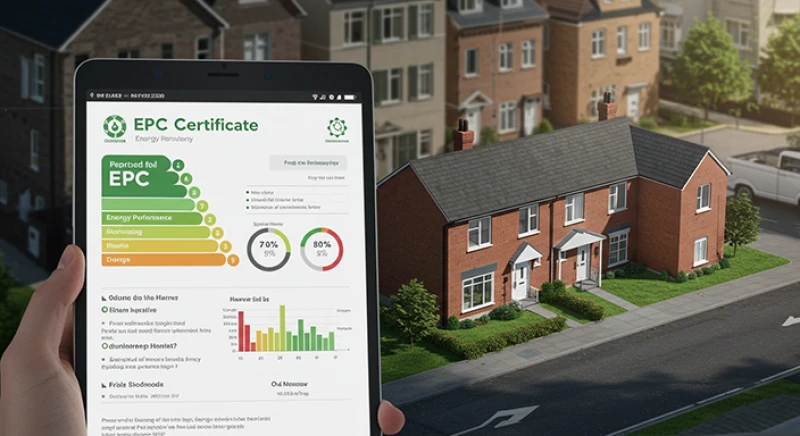
Energy Performance Certificates (EPCs) have long been a cornerstone of the UK’s energy efficiency policies. However, as the conversation around housing evolves, there is a growing recognition that EPCs must go beyond energy efficiency to consider the health impacts of a home. Issues such as moisture, ventilation, overheating, and indoor air quality (IAQ) are not just comfort factors—they are directly linked to public health outcomes. With the government currently consulting on EPC reform, now is the time to integrate health metrics into the framework . . .
The Case for Health-Inclusive EPCs
The link between poor housing conditions and public health is well established. The Building Research Establishment (BRE) estimates that poor housing costs the NHS £1.4 billion annually, with conditions like damp and mould exacerbating respiratory illnesses and cardiovascular diseases. Additionally, National Energy Action reports that over 10,000 people die each year due to living in cold homes. These statistics highlight the urgent need to embed health considerations into EPCs.
Currently, EPCs focus solely on energy efficiency, often overlooking whether a building provides a healthy living environment. This creates a significant policy gap, as homes that are energy-efficient can still have poor IAQ due to inadequate ventilation, particularly in retrofitted properties. The reform of EPCs presents an opportunity to bridge this gap and ensure that homes are both energy-efficient and healthy.
Balancing Simplicity with Meaningful Change
A key challenge in expanding EPCs to include health-related metrics is maintaining their usability. EPCs are widely used in property transactions and funding schemes, and any changes must be clear, actionable, and non-disruptive.
A phased approach to implementation has been suggested, starting with simple health indicators rather than a full-scale rating system. Initial steps could include:
Moisture and Mould Risk – Flagging condensation risks within homes.
Ventilation Standards – A basic compliance check for adequate airflow.
Overheating Risks – Using existing metrics from the Good Homes Alliance and PAS standards.
Daylight and IAQ Factors – Linking to building regulations and available smart data.
By integrating these health factors into EPCs, we can provide a clearer picture of a home’s suitability for habitation, rather than focusing solely on energy performance.
Policy and Market Considerations
Integrating health into EPCs must be done in a way that does not disrupt the housing market. A key concern is that ‘health ratings’ could impact property values or rental eligibility, creating unintended consequences for landlords and homeowners. Instead of a rigid scoring system, EPCs could adopt an advisory approach—flagging risks without imposing penalties.
Furthermore, aligning EPCs with existing datasets, such as Unique Property Reference Numbers (UPRNs) and smart meter data, would enhance their usefulness. These integrations would allow policymakers to target interventions more effectively, ensuring vulnerable households receive necessary improvements.
The Future of EPC Reform
To make EPCs a truly effective tool for improving both energy efficiency and health, several steps must be taken:
Industry Training and Upskilling – Assessors will need additional training to evaluate IAQ and other health-related factors.
Consumer Awareness – Homebuyers and tenants should understand the health implications of EPC ratings.
Stronger Compliance Mechanisms – Without enforcement, EPC reforms risk becoming a ‘tick-box’ exercise rather than driving real change.
Legislative Alignment – Linking EPCs with policy initiatives like the Warm Homes Plan and Minimum Energy Efficiency Standards (MEES) will create a more holistic approach to housing quality.
Conclusion
The EPC reform presents a unique opportunity to shift the UK’s approach to housing quality. By embedding health into EPCs, we can ensure that homes are not only energy-efficient but also safe and liveable. Given the rising costs of poor housing on public health and government budgets, failing to act now would be a missed opportunity.
The Healthy Homes Hub and other stakeholders continue to advocate for a balanced, phased approach that places well-being at the centre of housing policy. If we get this right, EPCs could become a powerful tool for improving both homes and lives across the UK.
Unlock all content
This is the 1 of 3 articles you can access for free. Become a member to unlock unlimited access to our full content library.