

Understanding UKUPRNs: Why They Matter for Healthier Homes
21st October 2025
Jenny Danson
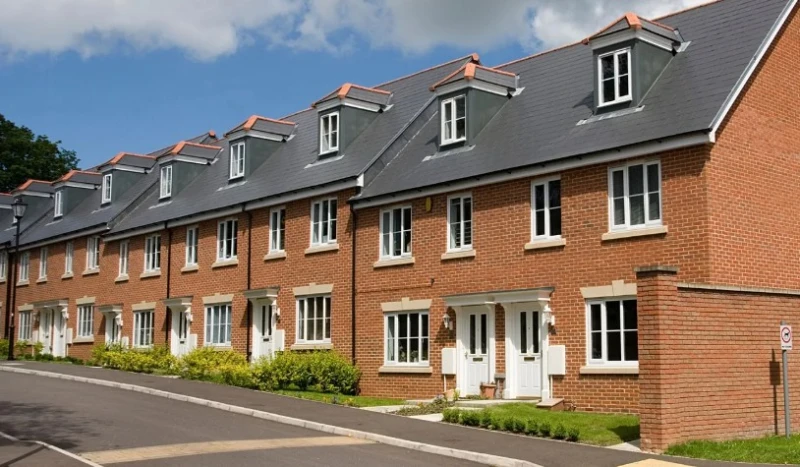
Good information underpins good housing decisions. In the UK, one of the most powerful, but sometimes overlooked, tools available for housing organisations is the Unique Property Reference Number (UPRN). Whether you’re managing social housing, working in local government, or supporting health and safety in homes, understanding and using UKUPRNs can unlock smarter, more connected services.
What Is a UPRN?
A Unique Property Reference Number (UPRN) is a unique numerical identifier assigned to every addressable location or property in Great Britain. Think of it as a “digital fingerprint” for a building whether it’s a house, flat, care home, or even a mobile home plot. The UPRN stays with a property for its entire lifecycle, from planning and construction through to demolition.
By using UPRNs, organisations can:
Accurately reference any property across systems and services
Eliminate address confusion and duplication
Link together key data sets about properties for safer, healthier homes
Who Needs to Use UPRNs?
UPRNs are essential for all organisations dealing with property data, including:
Social and private landlords - for asset management, compliance tracking, and tenant engagement
Local authorities - for housing enforcement, building safety, and service delivery
Health and care services - to target interventions, support vulnerable residents, and streamline referrals
Utility providers and emergency services - to improve response accuracy and maintenance scheduling
Good practice increasingly expects that all housing providers and agencies use UPRNs in their systems, to ensure information is reliable and easily shared.
Why Are UPRNs So Important?
Using UPRNs makes it easier for organisations to:
Map and monitor homes with greater accuracy
For example, tracking repairs, upgrades, or hazards across an entire portfolio.
Meet regulatory requirements UPRNs help link compliance data (e.g., gas safety, energy certificates) to the precise home, reducing risks and audit headaches.
Enable better partnership working Multiple agencies can confidently refer to the same property - crucial for supporting residents’ health, safeguarding, or tackling poor living conditions.
Drive digital transformation Integrating UPRNs into asset and case management systems opens the door to smarter analytics and automated workflows.
How Can You Use UPRNs in Practice?
Asset Management: Tag every property in your portfolio with its UPRN to avoid duplication and provide a ‘single version of truth’.
Regulatory Compliance: Link every compliance certificate or inspection to the relevant UPRN, making audit trails watertight.
Partnerships: Share property-level data effortlessly with partners, across housing, health, and local government, without confusion.
Reporting & Analysis: Aggregate information at the property level for more accurate reporting on safety, damp and mould, or energy performance.
Getting Started
If your organisation hasn’t adopted UPRNs, now’s the time to act. Most property management systems can be updated to include UPRN fields. Many local authorities and government agencies already publish UPRNs for addressable locations.
Next Steps:
Audit your existing property records for UPRN data.
Update data entry and management processes to capture and use UPRNs routinely.
Work with IT providers to link UPRNs with other critical systems and datasets.
Proper use of UPRNs means more reliable, joined-up, and effective services, which ultimately leads to healthier homes and better outcomes for residents.
If you need help in implementing UPRNs then please get in touch with Lee@HealthyHomesHub.uk
Unlock all content
This is the 1 of 3 articles you can access for free. Become a member to unlock unlimited access to our full content library.