
Rising repairs costs highlight the need for a more preventative approach to housing maintenance
16th March 2026
Jenny Danson

New research from Healthy Homes Hub member Sureserve suggests the social housing sector may be facing a much larger damp and mould challenge than official data currently indicates, while repair costs continue to climb at an unsustainable pace.
The report, Back in Control: A bolder vision for tackling social housing repairs and maintenance, draws on sector data and a survey of social landlords across the UK to examine how housing providers are responding to increasing compliance expectations, ageing housing stock and growing repair demand.
Taken together, the findings highlight a sector that recognises the need to move towards prevention but is still largely operating within a reactive maintenance model.
Repair costs continue to rise
The financial pressure facing housing providers is clear. According to the Regulator of Social Housing, the sector spent £10bn on repairs and maintenance in 2024/25, representing a 42% increase compared with pre-pandemic levels. Damp and mould remediation, alongside fire safety improvements, has been a significant driver of this growth.
The Sureserve survey suggests the situation may be even more challenging on the ground. Respondents reported average repair cost increases of around 23%, notably higher than increases reflected in national accounts.
More than 80% of respondents expect repair spending to increase further in the coming year, with many organisations anticipating increases of up to 25%.
For many providers, reactive repairs are consuming a significant proportion of available resources, limiting their ability to invest in longer-term solutions.
Damp and mould may be more widespread than reported
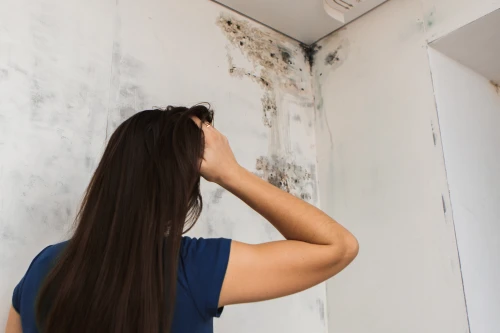
One of the most striking findings in the report relates to the scale of damp and mould across housing portfolios.
Most respondents estimated that between 10% and 25% of homes in their stock currently require remediation, significantly higher than the 7% prevalence recorded in official housing data.
While estimates will vary between organisations, the difference highlights the likelihood that damp and mould issues are being experienced more widely across the sector than headline figures suggest.
For residents, the consequences are well understood. Poor indoor conditions are closely linked to respiratory illness, poor mental health and reduced quality of life, reinforcing the importance of tackling root causes rather than repeatedly treating visible symptoms.
A tightening regulatory environment
The sector is also navigating a rapidly evolving regulatory landscape.
The introduction of Awaab’s Law in October 2025 has placed strict response timelines on social landlords when dealing with hazards such as damp and mould. Under the legislation, significant hazards must be investigated within 10 working days, with emergency works completed within 24 hours where necessary.
At the same time, reforms to the Decent Homes Standard, evolving Energy Performance Certificate frameworks, and wider housing quality expectations are placing increasing emphasis on safe, warm and healthy homes.
While these changes are widely supported across the sector, the report notes that compliance pressures are contributing to rising labour and materials costs and increasing operational complexity.
A sector that wants to move from reactive to preventative
Despite these challenges, the research suggests strong appetite across the sector to adopt more preventative approaches to repairs and maintenance.
Three quarters of landlords surveyed said they are likely to increase investment in proactive, planned and preventative maintenance programmes over the next year.
Respondents believe such approaches could deliver several benefits, including:
lower long-term maintenance costs
improved resident health and wellbeing
reduced legal claims and compensation payments
greater resident trust and satisfaction
However, the report also identifies significant barriers to implementing preventative strategies at scale. These include limited capacity, budget constraints, data quality issues, lack of system integration, regulatory pressures and organisational risk aversion.
Rebalancing the sector’s maintenance model
Perhaps the most significant challenge highlighted by the research is the structural balance between reactive and preventative work.
Currently, the sector is estimated to spend around 70% of resources on reactive repairs and only 30% on preventative maintenance.
The report argues that reversing this balance is essential if housing providers are to reduce long-term costs and improve resident outcomes.
It proposes a strategic ambition for the sector to shift towards a 30:70 reactive-to-preventative balance by 2030, supported by improved data, earlier intervention and more integrated approaches to asset management.
Prevention rather than repeated repair
Examples in the report highlight how some landlords and service providers are beginning to adopt preventative models.
These include incorporating property health checks into existing compliance visits, using environmental sensors to monitor humidity and temperature, and applying predictive data analysis to identify homes most at risk of damp and mould.
The underlying principle is simple: identifying risks earlier and addressing root causes is more effective than repeatedly responding to visible problems once they have developed.
A wider conversation for the sector
The report ultimately raises an important strategic question for the housing sector - how to move beyond compliance and crisis response towards a more sustainable maintenance model.
As regulatory expectations increase and financial pressures remain tight, the ability to prevent problems before they escalate may become one of the defining challenges for housing providers in the coming decade.
For organisations focused on delivering healthy homes, the message is clear. Addressing damp and mould is not only about responding faster when issues arise, but about designing housing systems that prevent those risks from developing in the first place.
Download the full Sureserve report here.
Unlock all content
This is the 1 of 3 articles you can access for free. Become a member to unlock unlimited access to our full content library.