

Designing Out Repairs: How Bromford Is Rethinking the Future of Home Maintenance
17th December 2025
Jenny Danson
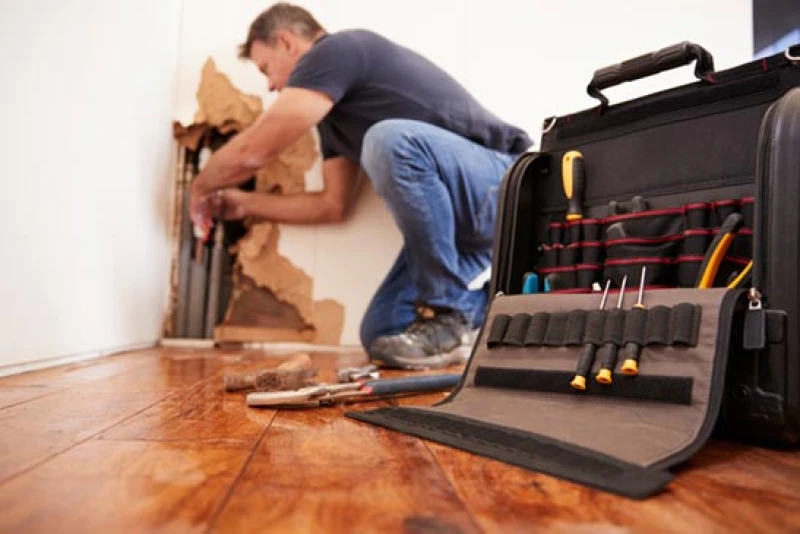
When you speak with someone who genuinely wants to transform how the sector works, you feel it straight away. My recent conversation with Paul Appleby, Commercial Manager at Bromford Flagship, was exactly that. What started as a chat about repairs quickly turned into a bigger conversation about engineering mindset, customer experience, and a future where repairs are the exception rather than the rule.
The scale of the challenge
Bromford completes around 130,000 day-to-day repairs every year, an eye-watering number that brings significant cost, operational strain, and customer frustration. Paul estimates more than £20 million goes into day-to-day repairs alone, and that figure doesn’t even include compensation for failed appointments or poor service experiences.
But Paul asks a simple question that cuts through all of it:
If an automotive or aerospace company experienced 130,000 faults a year, would they tolerate it?
Absolutely not.
So why should housing?
From social housing to engineering mindset
Paul’s background in logistics, supply chain and commercial strategy has given him a different lens, one the sector desperately needs. He is asking the same questions advanced manufacturers ask every day:
Why is this fault happening?
How do we design it out?
Why do we keep tolerating inefficiencies that other industries would treat as unacceptable?
In housing, the default response is often to replace “like-for-like,” even when that “like-for-like” has already proven itself prone to early failure. Paul wants to break that cycle entirely.
The aspiration: zero-repair homes
Bromford is exploring how it can utilise its strategic partnerships and extensive network of suppliers to develop the idea of the “zero-repair home”, not because repairs will disappear entirely, but because the sector’s mindset needs to shift. If the top 20% of recurring repairs could be engineered out, the financial and customer impact would be transformational.
The early focus includes:
Smarter lifecycle costing
Paying a little more upfront for components that reduce long-term failures
Standardising specifications across new build, existing stock, and planned works
Deepening relationships with manufacturers to innovate rather than transact
Bromford is already in early conversations with partners like Vaillant to explore what's possible, and Paul is pushing internally for a cross-functional governance model that brings new build, repairs, customer engagement, commercial, and compliance teams into one shared conversation.
This in itself is huge progress. Alignment is often where innovation goes to die.
Why this matters
Much of the waste in housing remains invisible because we don’t measure it. In most providers, waste could easily total in excess of 40% of operational cost... driven by repeat visits, chasing calls from tenants, no-access, like-for-like replacement of poor products, and lack of data-driven planning.
The sector has unintentionally built a system that creates repairs instead of preventing them.
Paul wants to turn that system off.
And frankly, it is long overdue.
He isn’t trying to do this in a silo. He wants to build coalitions, bring in new thinking, learn from others, and share openly across the sector. That’s the culture shift we need if we’re serious about healthier, better-performing homes.
Where next
Paul and the team at Bromford are still in early stages, but the commitment is there, and the thinking is strong. As they progress, we’ll be sharing their journey and shining a light on what works. Innovations like this don’t just save money. They create safer, healthier homes and build a sector that can sustain itself long into the future.
This is the sort of work that genuinely moves housing forward, and we’re proud to support it.
Unlock all content
This is the 1 of 3 articles you can access for free. Become a member to unlock unlimited access to our full content library.