
Electrification of Heating Without Solar Will Push Bills Up Not Down
4th June 2026
Julian wiley
The UK is moving away from gas.
Heat pumps and electric heating are replacing boilers. Electricity demand is rising. That’s the direction of travel and it’s not changing. But there’s a problem that isn’t being talked about enough.
The uncomfortable truth
Heat pumps don’t reduce energy use, they shift it from gas to electricity and electricity is expensive. So unless something else changes, electrifying homes risks increasing running costs and increasing fuel poverty in a sector which is being left behind.
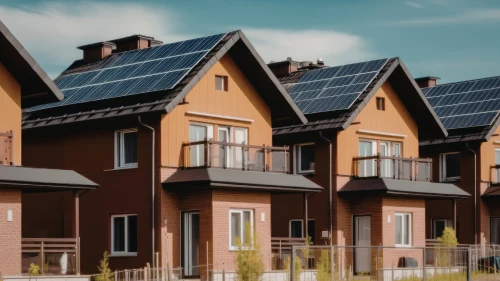
Solar is what makes electrification work and changes the equation. Instead of buying all electricity from the grid, homes generate some of their own. In periods of low irradiance, batteries improve that by buying cheap off peak energy to use when needed.
That reduces:
Cost
Exposure to price volatility
Reliance on external supply
Now you’re not just consuming energy, you’re managing it. Reducing energy use at peak, helping grid when renewable energy causes excess. And that has value.
The key point most strategies miss
Electrification of heat and solar are often treated separately, but they shouldn’t be.
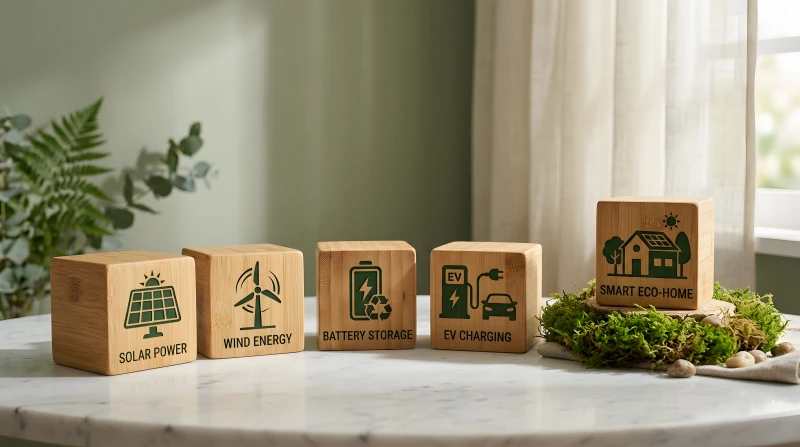
Heat pumps increase demand. Solar reduces cost. Batteries balance the two. Together, they form a system. Separately, they create inefficiency.
Why scale matters
A single home will see some benefit. But at portfolio level:
Demand can be forecast
Generation can be aggregated
Storage can be optimised
That’s when homes start to behave like energy infrastructure.
What happens if you don’t do this
If homes are electrified without generation:
Bills increase
Exposure to market volatility increases
Pressure on landlords increases
Getting it right
The economic case works when:
Solar, batteries and heating are designed together
Systems are monitored and optimised
Performance is managed over time
Practical reality
Not every property is suitable - (yet*)
Roof condition, shading and grid capacity all matter. That’s why early assessment and proper design are critical. The goal isn’t maximum rollout, It’s smart rollout.
The future housing stock will be electrified, connected and actively managed.
The bottom line
Electrification is coming either way.
Solar, battery storage and intelligent controls will determine whether it becomes a cost burden or a source of controllable revenue.
This creates the opportunity for social housing portfolios to generate long-term energy revenues, supporting investment structures that can fund EPC improvements, fabric upgrades and low-carbon heating systems without relying solely on grant funding.
(Zenergy supports housing providers in designing and managing integrated solar, battery and energy systems that reduce costs and improve long-term asset performance across entire portfolios.)
* with batteries falling in price and energy price gap widening, soon a battery only model will be viable for high rise flats.
Picture credit: Adobe Stock
Unlock all content
This is the 1 of 3 articles you can access for free. Become a member to unlock unlimited access to our full content library.