
Damp, Mould and Condensation - A New Qualification for Awaab’s Law
17th March 2025
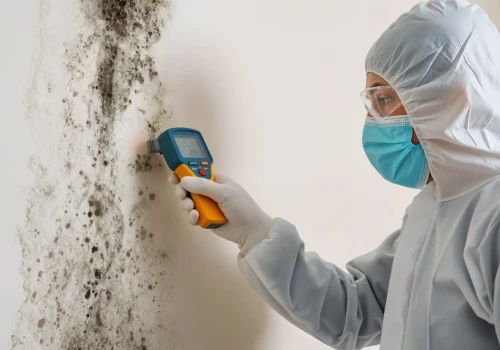
The incidence of damp, mould and condensation in buildings is at an epidemic level. The tragic death of Awaab Ishak, a 2-year-old boy who died as a result of prolonged exposure to mould, led to a much-needed impetus to make real changes within the social housing sector, through what is known as ‘Awaab’s Law’.
Awaab’s Law is being brought in through the Social Housing (Regulation) Act 2023. Within this Act, which becomes law in England in October 2025, there are strict timescale requirements. This means that an investigation must commence within 14 days of the reported or known mould / damp issues and proposed work must commence within 7 days. If judged as an emergency work must commence within 24 hours.
These timescales will pose a huge challenge and they don’t leave any room for error in consideration of the legal consequences of non-compliance. It requires those investigating the problem to have the necessary expertise, otherwise, the problems will soon return, placing increased pressure on the social housing landlord on going through this process again and again until the problem is resolved. Having to go through this process time and time again is a waste of resources and therefore finding the root causes of problems and resolving them properly is the obvious goal.
Housing managers within social housing organisations are responsible for making sure that that the investigation and subsequent actions are undertaken in accordance with the law and are therefore undertaken properly. This should imply that those investigating problems and determining robust solutions, should have sufficient knowledge and that can be evidenced through the holding of a qualification. The development of the ABBE Level 3 Award qualification in Damp, Mould and Condensation in Buildings, (a government approved Ofqual regulated qualification launched in January 2025), is aimed at achieving these objectives.
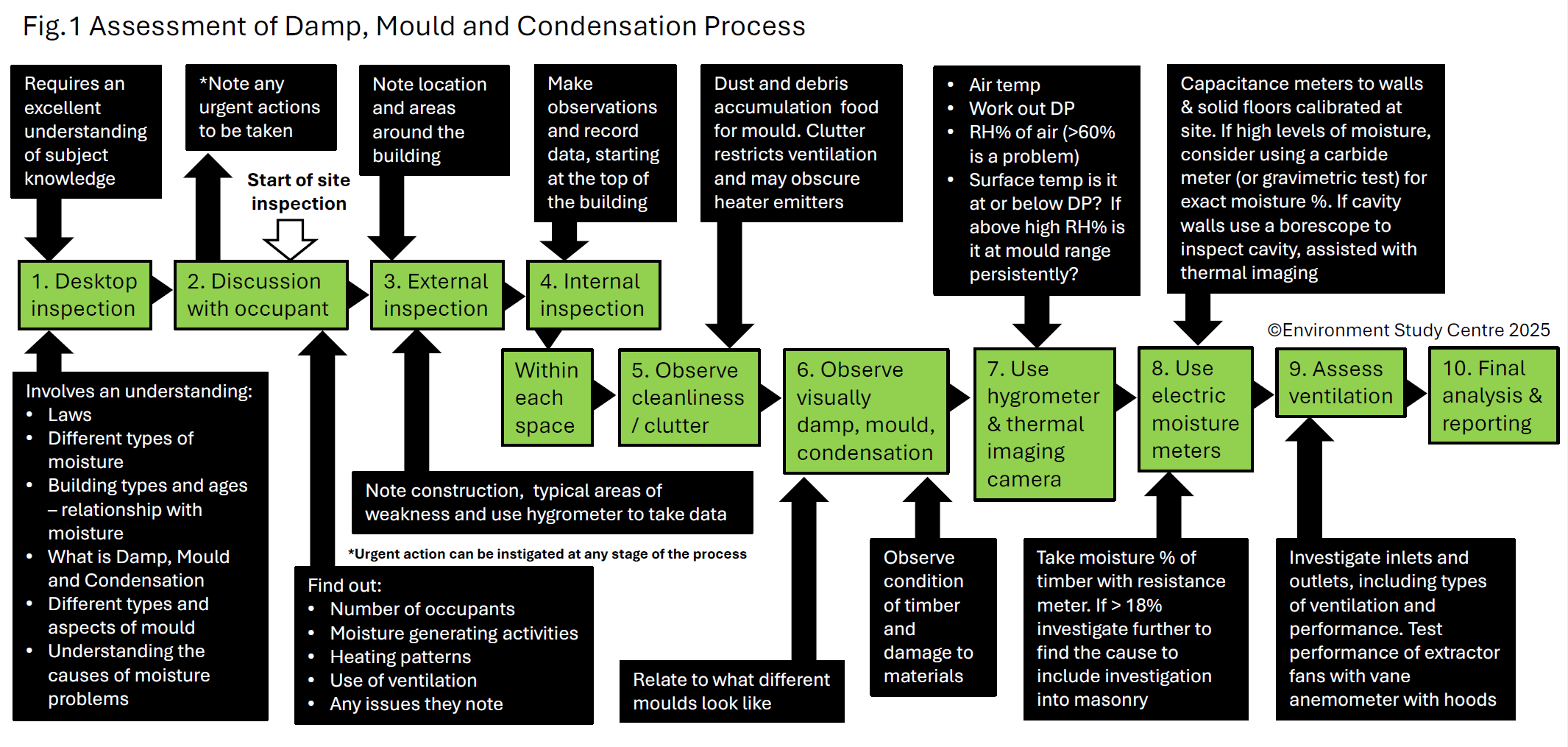
Amongst other things, persons holding the Level 3 Award qualification, should have sufficient knowledge to understand how damp, mould and condensation can be caused and follow the process described in fig.1. Some of the basics are summarised below.
Mould growth does not need condensation, but it does require high levels of Relative Humidity (RH%) and at around 90% the process of germination can begin and if the RH% then stays at around 70%, this will be enough for mould to sustain itself, helped along with food which includes dirt and dust. Ventilation will reduce the persistency of such high levels of RH, but temperatures and in particular surface temperatures play the major role in bringing about high levels of RH. The investigator must therefore workout if a building is being heated sufficiently and whether it has sufficient means of ventilation. If there are inadequacies in these two areas, pinpointing the reasons is essential.
Great care and attention is required to determine the extent to which the occupancy is contributing to the problem, and the extent to which the buildings condition could also be contributing to the problem. If the building is in poor condition, which could mean leaking plumbing or moisture ingression into the building fabric through external means, then this could result in dampness problems internally. It may also result in lower surface temperatures, which can then make those surfaces more susceptible to high levels of RH. Whilst retrofit measures can be positive, Ill-informed or poorly designed or poorly installed retrofit measures can also lead to such problems. Such failings are known to be a major factor in the rise of damp, mould and condensation issues across the UK within buildings which have been retrofitted.
Homes and buildings generally through retrofit, have been moving away from passive means of ventilation to an active approach involving inlets such as trickle vents and outlets such as extractor fans. Occupants of buildings must use these properly, but any investigation must determine, not just whether they are being used properly, but also whether they are adequate. For example, any investigation should not just determine whether a fan is working, but also whether its performance is good enough.
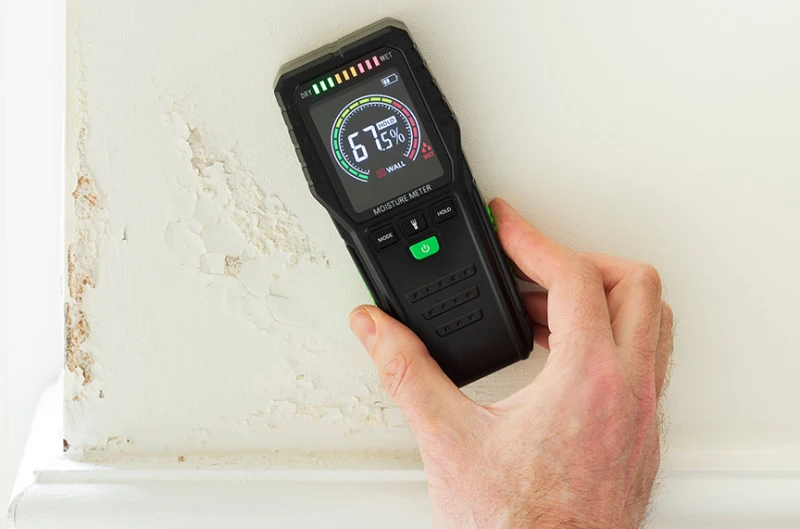
The later means using a vane anemometer with a hood. In fact, a range of equipment and techniques must be adopted in such an investigation, and essentially lists of equipment must include a hygrometer, thermal imaging camera, moisture resistance and capacitance meters, possibly a carbide meter, a borescope as well as other equipment. This will allow a complete picture in terms of the current situation to be recorded and to pinpoint responsibilities.
The aim of the ABBE Level 3 Award qualification in Damp, Mould and Condensation in Buildings, is to ensure that those undertaking the investigation can do it properly and as a minimum conduct the activities summarised above and much more. The qualification can be achieved through a 2-day course delivered by the Environment Study Centre. This is delivered live online for individual bookings or in person for in-house group bookings. An online test session is taken following the completion of the course.
The cost of each place on the course is £495 plus VAT which is a special offer which ends soon (normal cost £575). In-house group bookings also available. See link for details:
Professor John Edwards MA, DipBldgCons, CEnv, FRICS, FCIOB, IHBC
Unlock all content
This is the 1 of 3 articles you can access for free. Become a member to unlock unlimited access to our full content library.