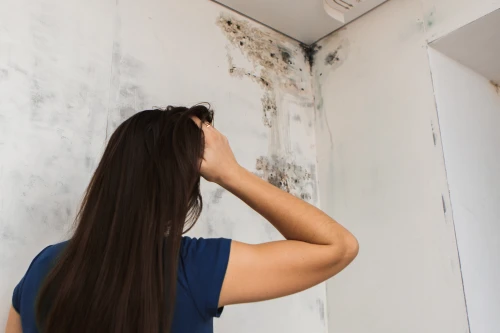

Damp and Mould: Leave Your Ego at the Door
25th May 2026
Awaab’s law is widely misread as a compliance threat; Danny Bird argues the sector needs to understand it properly, set aside internal barriers, and own the response collectively.
At a glance
Awaab’s law is widely misread as a compliance threat rather than a framework for proportionate, empathetic action; that misreading is driving fear and defensive behaviour rather than effective cross-organisational response
Damp and mould cannot be solved by repairs teams alone; siloed working across departments, from IT and procurement to HR and finance, is why organisational responses keep falling short
A proactive, sensor-led future is achievable, but requires the will, investment and cross-departmental infrastructure to move beyond reactive case management
Damp and mould reports have risen by around 25 to 30 per cent year on year across multiple housing associations, driven by energy costs, under-investment in stock and rising awareness. The sector’s response has been hampered as much by internal culture and misreading of the law as by any operational gap.
Awaab’s law is more nuanced than the sector’s fearful response suggests. Not every report triggers obligations. The HHSRS framework, weighing hazard against household vulnerability, is the intended basis for triage and resource decisions. The sector took the headline without reading the article, and fear-driven blanket responses serve neither the law nor residents.
Front-line teams are under serious pressure. Volume is high, complaints and MP inquiries compound the load, and without robust case management systems people are carrying too much manually. Tightening performance monitoring in that environment makes things worse. The job of leadership is to ensure teams have the tools and headspace to act with care and judgement.
Isolating damp and mould within the repairs function is why the sector hasn’t cracked it. Effective responses require IT, procurement, HR, finance and communications working in concert, and one cross-departmental programme involved around 300 people across every level of a single organisation to achieve that. Those still relying on job management systems for case management have significant work ahead.
The five-year picture is one of sensor data triggering proactive resident contact before problems escalate, investment shaped by live property data, and housing officers maintaining direct conversation as a complement to technology. The HHSRS provides the framework and the mandate. What’s needed now is the organisational will to leave internal barriers, and professional egos, at the door.
Practical steps for housing providers
Audit whether damp and mould ownership sits across your whole organisation or primarily within the repairs team, and identify which departments, including IT, procurement, HR and finance, need to understand their role
Review how Awaab’s law obligations are communicated internally; ensure teams understand the HHSRS risk-rating framework and can apply proportionate, evidence-based triage rather than defaulting to blanket emergency responses
Assess your case management infrastructure for end-to-end visibility; if damp and mould is being managed through a repairs system or spreadsheet, evaluate what a dedicated case management approach would require
Create structured time and space for front-line teams to reflect on process, not just manage volume; embed review mechanisms that allow learning to feed back into system and practice improvements
Examine how investment decisions in planned maintenance and stock improvement are informed by damp and mould data, and whether procurement and asset management teams are aligned to that process
Explore where sensor technology and smart monitoring could support proactive resident contact, and develop a framework for how data-led outreach would work within your organisation’s operating model
Bring back direct resident conversation as a formal strand of your damp and mould approach, ensuring housing officers and other resident-facing staff have sufficient understanding of HHSRS to identify and escalate risk during routine contact
Host: Jenny Danson, CEO and Co-founder, Healthy Homes Hub
Guest: Danny Bird, Assistant Director of Regulated Delivery, Aster Group