
Building Resilience For Better Housing Solutions
24th October 2025
Jenny Danson
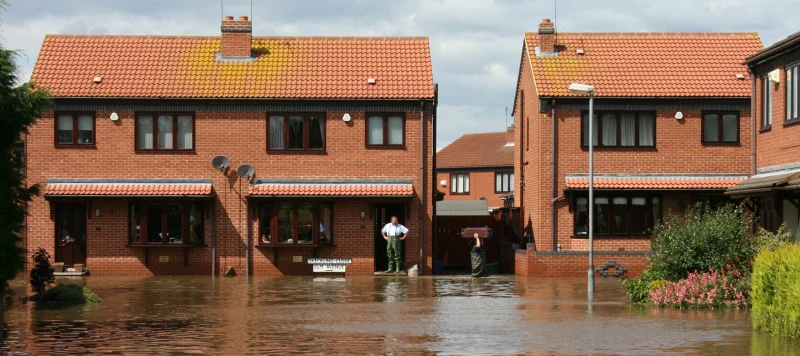
At the South East Consortium Conference our Chief Executive Jenny Danson hosted a panel discussion on resilience with Adam Masters Stonewater, Laura Broderick Good Homes Alliance, Matthew Scott CIH
Building Climate Resilience Where People Live: From Cliché to Concerted Action
We all say it: we need to collaborate. It risks becoming a cliché, until you hear what it actually looks like on the ground. At a recent panel event I chaired at the South East Consortium Conference on climate resilience, housing leaders, practitioners, and allies shared lessons on flooding, overheating, nature-based fixes, and the power of joined-up data. Below is a round-up of what’s already working, what still hurts, and how we can act faster together.
“Investing £10–15k per home in flood measures keeps water out—but it can still leave residents trapped in.”
Key takeaway: technical fixes must be matched with place-level solutions and resident-centred planning.
Flood risk: today’s “rare” is tomorrow’s routine
Stonewater shared how, based on 2020 datasets, <0.5% of its homes were in high flood-risk zones. Layer in forward projections and local evidence and the picture flips: up to 40% of homes could face some level of flood risk by 2050. They’re already seeing incidents in streets never previously flagged.
What Stonewater has learned:
Prediction isn’t protection. Environment Agency alerts are essential, but they don’t cover everything (e.g. surface water, small watercourses). Trialling flood-alert software has been helpful for spotting emerging hotspots, even if accuracy is mixed, it nudges earlier action.
Property-level measures help, but they’re not a whole answer. Flood doors, sealed brickwork, and non-return valves have dramatically cut damage. Yet residents report feeling unsafe or housebound when floodwaters rage outside. We must think beyond thresholds and consider egress, liveability and dignity.
Collaboration that actually moves the dial
Here’s what Stonewater and partners are doing on real estates:
Open the map (and the mindset). Stonewater convened the lead local flood authority, neighbouring landowners, rail/network operators, and residents. That unlocked access to third-party land so sensors could be installed over brooks and culverts, finally giving real-time water-level data, not just modelled risk.
Fix maintenance upstream...literally. Shared site walks exposed blocked culverts, DIY weirs, and garden walls pinching brooks. Joint action with owners and councils removed those choke points before the next storm.
Pool surveys, share evidence. Instead of double-paying for similar studies, partners shared reports and stitched them into a single, place-based plan making it cheaper, faster, better.
“Don’t fund the same investigation twice. Share it. Spend the savings on the fix.”
Nature-based solutions (NBS): cooler streets, slower flows
With capital tight and expectations high, NBS are doing double duty:
Shade + evapotranspiration from trees and planting can shave neighbourhood temperatures and reduce overheating risk.
Swales, rain gardens, leaky dams, and wetlands slow peak flows and add biodiversity uplift, supporting both flood management and statutory biodiversity gains.
Targeted glazing and spec changes for identified overheating hotspots (not everywhere, just where data shows risk) balance winter warmth with summer comfort.
Data that unlocks everything: use UPRNs
A quick show of hands revealed many providers don’t yet embed the UK UPRN (Unique Property Reference Number) in their core data. That’s a missed trick. UPRNs are the common key emergency services, infrastructure operators and retailers already use. When housing adopts them:
You can join asset data with public climate datasets (flood, heat, surface water, historic incidents) in hours, not months.
Cross-organisational teams start with the same map, reducing duplication and errors.
You often discover your addresses aren’t quite what you thought, and then you can fix them.
One thing to do this week: add UPRN fields to your housing, asset and works systems, and require suppliers to use them. Your future self will thank you.
Residents first, not last
Climate risk is one of the few topics where residents come to a landlord, often after a scare. The best responses we heard:
Radical transparency at sign-up. Flag known risks (e.g. flood) before a new tenancy is agreed, so people can make informed choices.
Clear expectations. Where fixes depend on third parties (e.g. highways, rail, riparian owners), be open about lead-in times and the plan.
Actionable, timely advice. Regular, targeted comms on overheating behaviours (daytime shading, night purging, fan use, safe-room setup) and flood readiness (packing, medicines, pets, power isolation).
New homes: think beyond Building Regulations
Part O is progress, but future summers will be hotter than the design baseline. The panel called for:
Neighbourhood-scale design: shade trees, cool materials, blue-green features, and orientation strategies that cut urban heat islands.
Flood-compatible architecture in known zones (raised services, sacrificial ground floors, flood-permissive landscaping) so a flood doesn’t become a catastrophe.
A systems review of regs so Parts O, L, F, S and G work together for 2050 climates, not at cross-purposes on live schemes.
Funding and finance: it’s there. Bring partners
After the 2019–20 floods there was targeted funding for resilience. More announcements are expected, alongside private finance for “fit-for-the-future” home and neighbourhood upgrades. The message was clear:
Collaborative bids win. Bring landowners, LLFAs, utilities and housing together behind one plan.
Stop thinking in silos. Blend planned maintenance, compliance, biodiversity net gain and resilience budgets around shared outcomes.
From “projects” to a movement: Centres of Excellence & alliances
Following its merger, Stonewater established a Centre of Excellence. bringing housing associations, specialists and supply chain partners together to share what works (and what doesn’t). Likewise, the Good Homes Alliance is coordinating guidance, events and campaigns so we keep learning and keep preparing.
Current resources include:
Overheating guidance with a one-page screening tool and practical shading options (internal and external) for retrofit and new build.
Water efficiency and reuse guidance using a fixtures-based approach.
Evolving toolkits to help measure, map, reduce consumption and risk.
“This isn’t ‘do it once and you’re done’. Risks evolve. Our standards, and our habits, must evolve too.”
Practical steps for housing providers
Make UPRN non-negotiable. Add it to every asset, works order and supplier interface. Then connect to public flood/heat datasets and your incident logs.
Map place-level risk, not just property-level fixes. Convene LLFAs, landowners, network operators and residents; share surveys; agree a single plan.
Prioritise people’s lived experience. Pair technical measures with safe egress, communication plans, and neighbourhood cooling.
Plant shade where it counts. Target tree and NBS investment to over-heated streets and fast-runoff zones; secure biodiversity gains at the same time.
Stress-test new schemes against 2050 heat. Use future weather files; design for cross-ventilation, shading and blue-green infrastructure from day one.
Write resilience into procurement. Include social value lines for biodiversity, overheating mitigation and data standards (UPRNs, open formats).
Share the “nearly-went-wrongs”. Take part in Healthy Homes Hub events and bring your messy lessons to share.
Keep the conversation going
If resilience is going to be more than a buzzword, it needs all of us...asset managers, planners, designers, residents, utilities pulling in the same direction. Healthy Homes Hub is here to convene, connect and make it practical.
Want to showcase a place-based resilience project? We’ll help you capture and share the playbook.
Need a starter session for your board or councillors? We can run a short clinic on UPRNs, data joins and pragmatic NBS.
Got guidance to share (or a gap we should fill)? Send it our way, we’ll get it into the hands of people who need it.
Let’s make “collaboration” mean sensors on the right brook, trees on the hottest street, and residents who feel safer at home when the weather turns.
Unlock all content
This is the 1 of 3 articles you can access for free. Become a member to unlock unlimited access to our full content library.