

Awaab’s Law Is Coming. Let’s Be Ready
3rd September 2025
Emma Blackmore
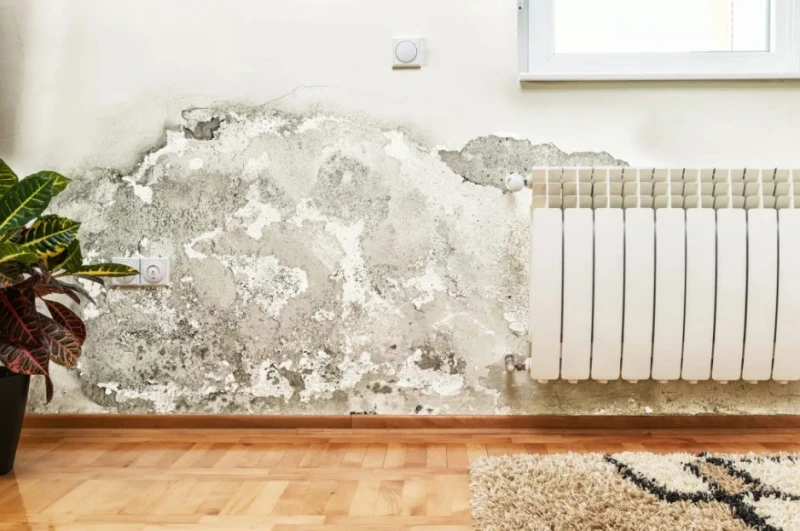
Nobody should die because of the condition of their home. The tragic death of two-year-old Awaab Ishak in 2020 shocked the nation and highlighted the need for transformative change within UK Social Housing. The government’s response, Awaab’s Law, puts a legal duty on social landlords to act quickly on damp and mould.
From 27 October 2025, landlords must:
Investigate hazards within 10 working days
Share findings with tenants within 3 days
Complete urgent safety work within 5 days
Begin further repairs within 5 days (or within 12 weeks if more complex)
The timeframes are tight, and the responsibility is clear, but with the right preparation, you can stay ahead of complaints, protect tenants, and avoid unnecessary costs.
At iOpt, we work with social housing providers all across the UK to identify issues early, limit the cost of repairs and keep tenant’s homes healthy. Our market-leading environmental sensor – EVO and bespoke data platform issue alerts to users as soon a risk is identified, whilst our reporting tools make it easy to track, prove, and share action.
Here’s a 5-step guide to preparing for Awaab’s Law and how technology can support housing providers at each stage.
A 5-Step Guide to Preparing for Awaab’s Law
1. Understand What the Law Requires
The first step is knowledge. Awaab’s Law sets clear, legally binding deadlines for investigating and repairing damp and mould. That means there’s no room for ambiguity or “best effort”. Compliance is non-negotiable.
Clarity now prevents issues further down the line. Every team across an organisation needs to understand not just that the law exists, but what it requires day to day.
We help social landlords cut through the complexity by mapping your current processes against the requirements of Awaab’s Law and highlight where small operational changes can make a big impact. We work with users to integrate our services into their current structures to minimise the impact. That way, you can move into October confident you’re not missing anything critical.
2. Make Sure Your Teams Are Ready
Change doesn’t happen unless the whole organisation wants it to. Remote property monitoring isn’t about papering over the cracks, it’s about long-term, operational changes to improve the homes of your tenants and reduce the cost of repairs.
To achieve this, everyone across the business needs to buy into it and understand the impact it has on their role and the difference it will make.
Staff need practical knowledge: how to identify signs of risk, how to log them properly, and who to escalate them to. A tick-box training session isn’t enough. What’s needed is ongoing awareness, supported by tools that make reporting simple and reliable.
We provide our customers with regular reporting, easy-to-use dashboards and targeted alerts that support staff in making the right calls quickly. By giving teams confidence and clarity, it allows users to avoid missed issues and ensure tenants are taken seriously from the start.
3. Detect Mould Before Tenants Do
By the time mould is visible, it’s most likely been a problem for months. The property is damaged, the repair costs are higher, and the tenant’s health may already be affected. Reactive approaches always cost more and carry higher risk.
Early detection changes everything. Through our EVO environmental sensors, we track humidity, temperature, and air quality and can flag risk factors up to six months before mould becomes visible. When certain condition thresholds are met prior to mould being an issue, an alert is raised prompting early intervention. The fix goes from being intrusive wall repairs, to simple ventilation fixes or tenant education.
Even a modest rollout in housing providers highest-risk stock: voids, previously affected homes, or those with poor ventilation etc. can dramatically cut repair bills, prevent tenant complaints, and reduce their exposure under Awaab’s Law.
4. Engage Tenants Early
Awaab’s Law is as much about rebuilding trust as it is about setting deadlines. Tenants have often felt ignored or blamed when they raise concerns about damp and mould.
Engagement doesn’t need to be complicated. Simple, clear communication about what Awaab’s Law means, how tenants can report issues, and what they can expect in response will go a long way. The more transparent landlords are, the more tenants will feel listened to.
We believe we can help bridge that gap. Our simple Tenant App turns complex data in to easy-to-understand visuals for a tenant. Instead of the usual back-and-forth between tenant and landlord, let the data collected through the app show exactly what is happening within the property and how it can be resolved. This visible commitment helps build trust and reassurance.
5. Log, Track and Prove Every Action
Perhaps the most overlooked part of compliance is proof. Without an audit trail, it’s impossible to show you’ve met the law’s deadlines even if the work was done.
Awaab’s Law requires more than just quick fixes. It demands evidence that landlords are acting consistently, transparently, and on time. That means every report, inspection, and repair needs to be logged and trackable.
Our platform makes this simple. All our data is securely stored in the cloud, creating a property-by-property history of action. Over time, this not only proves compliance but also highlights recurring patterns across housing stocks. With that insight, you can shift from reactive to proactive, saving money while keeping tenants safe.
Why This Matters
It should never have taken tragedy to prompt action. Conservative figures suggest over 100,000 homes are affected but behind every number is a tenant who simply wants to live in a safe, healthy home.
The good news is that with early detection, clear communication, and robust data, housing providers can not only meet their new legal obligations but also reduce costs and engender tenant trust.
Unlock all content
This is the 1 of 3 articles you can access for free. Become a member to unlock unlimited access to our full content library.