
Maintaining health, wellbeing and independence through technology in the home
19th March 2026
Jenny Danson

In conversation with Michael Wright, Product Development Manager, Aico
With an ageing population, independent living cannot mean being left alone. Technology in the home can support safety, health and confidence, but only when it is properly designed, installed, connected and looked after.
Increasingly, this means combining reliable in-home safety hardware with software platforms that provide visibility of alarms, environmental conditions and system performance. When this technology is supported by clear operational responsibility, it can play an important role in helping residents live safely and independently for longer.
To explore this further, we asked Michael Wright, Product Development Manager at Aico, to share his perspective in this short Q&A on the role of connected home technology in supporting safer, healthier independent living.
1) When looking towards maintaining health, wellbeing and independence for elderly and vulnerable residents through the deployment of technology in the home, what is the real opportunity available?
The real opportunity comes from helping people feel safe enough to stay in their homes for longer. We all have an emotional connection to our homes and this usually becomes stronger the longer we live in those homes.
When someone feels protected, they are more likely to maintain routines, manage their health better and take action to avoid situations escalating. Technology can play an important role, particularly where it provides early warning of something potentially going wrong.
But it only works if the technology is dependable. A device installed in a property does not automatically mean the risk is managed. For technology to work to its full capacity, it must be specified correctly, installed properly and maintained.
Increasingly, the opportunity also lies in connecting those systems to software platforms that provide visibility beyond the home. Monitoring fire and carbon monoxide alarms, environmental conditions and system performance can help ensure protection is not only installed but actively functioning.
2) With an ageing population, how do we enable a greater volume of independent living?
It starts with understanding their requirements. You can support more people to live independently, but the day-to-day practicalities of what that will involve have to be clear.
Adding monitoring into homes is not especially difficult from a technical point of view. The bigger challenge is deciding what happens when something triggers. Who reviews the alert? How quickly is it assessed? What action follows? Time has to be invested in ensuring the right support structure goes around it.
Monitoring is often introduced first, and the response model is shaped afterwards. That can create uncertainty.
Data on its own does not reduce risk. It only becomes meaningful when there is clear responsibility behind it and positive actions can be taken to improve outcomes for residents and support their independence.
Connected systems can help support this by providing software platforms that aggregate alerts, highlight trends and give operational oversight. This allows housing providers and support teams to move from isolated signals to structured monitoring across their housing stock.
3) How does technology support the concept of independent living in practical terms?
In practical terms, it helps in three main ways.
Firstly, it can identify risk early. Connected safety systems can detect events such as fire or carbon monoxide alarm activation, identify environmental conditions and highlight changes in the status of the system. When these signals are visible through monitoring software, support teams can identify potential issues sooner.
Secondly, technology can prompt and reassure, particularly where simple, clear signals and interventions can help people continue to manage day to day living.
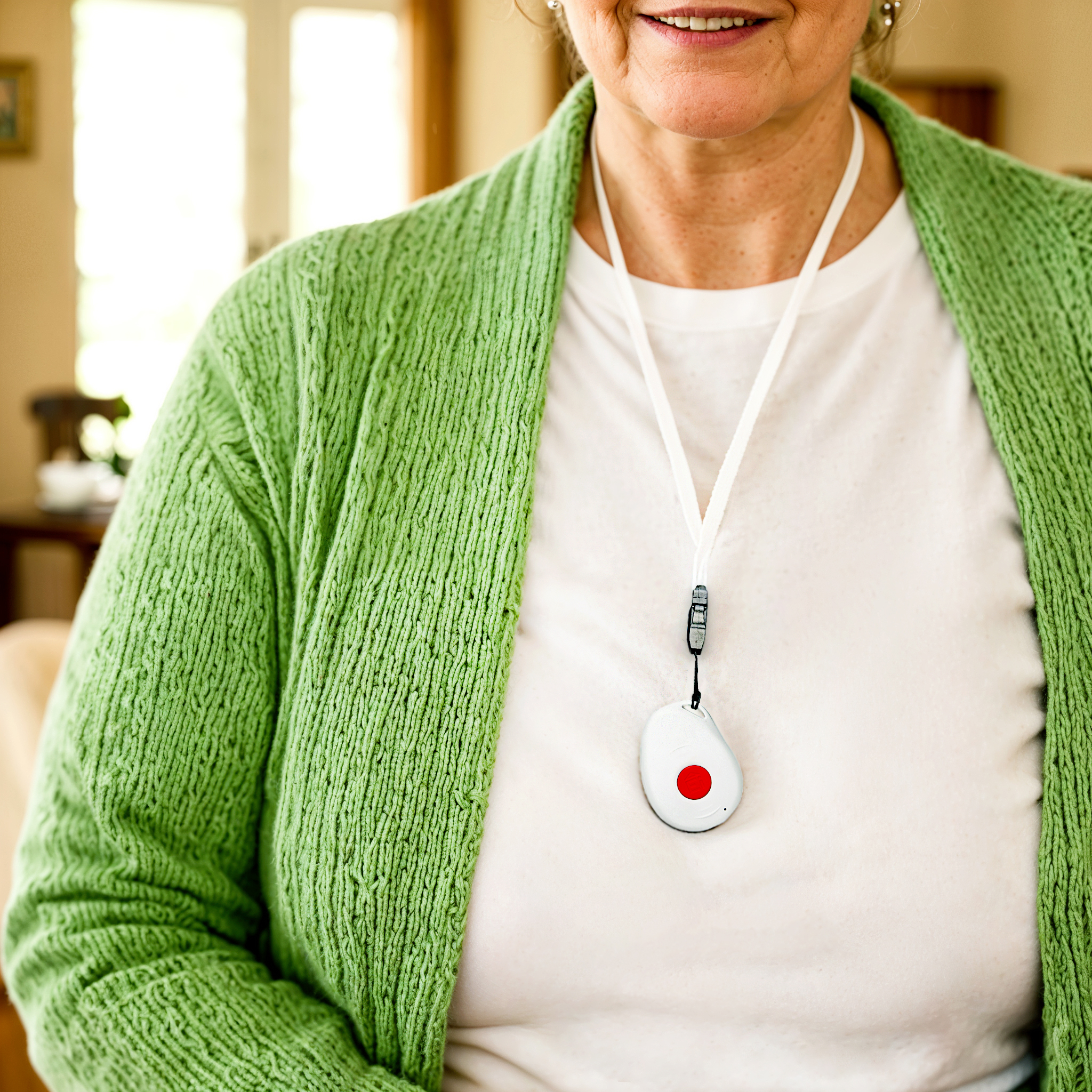
Finally, it provides protection. Audible alarms, correctly sited and interconnected, remain one of the most effective safety measures within the home.
Underpinning all of this is the premise that detail matters. An alarm installed in the wrong place, or one that is not tested or maintained properly, may not perform as intended. High performance comes from good design, competent installation and ongoing maintenance.
4) How could technology enabled care help reduce avoidable hospital admissions?
In some cases, housing-related hospital admissions may be preceded by earlier signals or changes in the home environment.
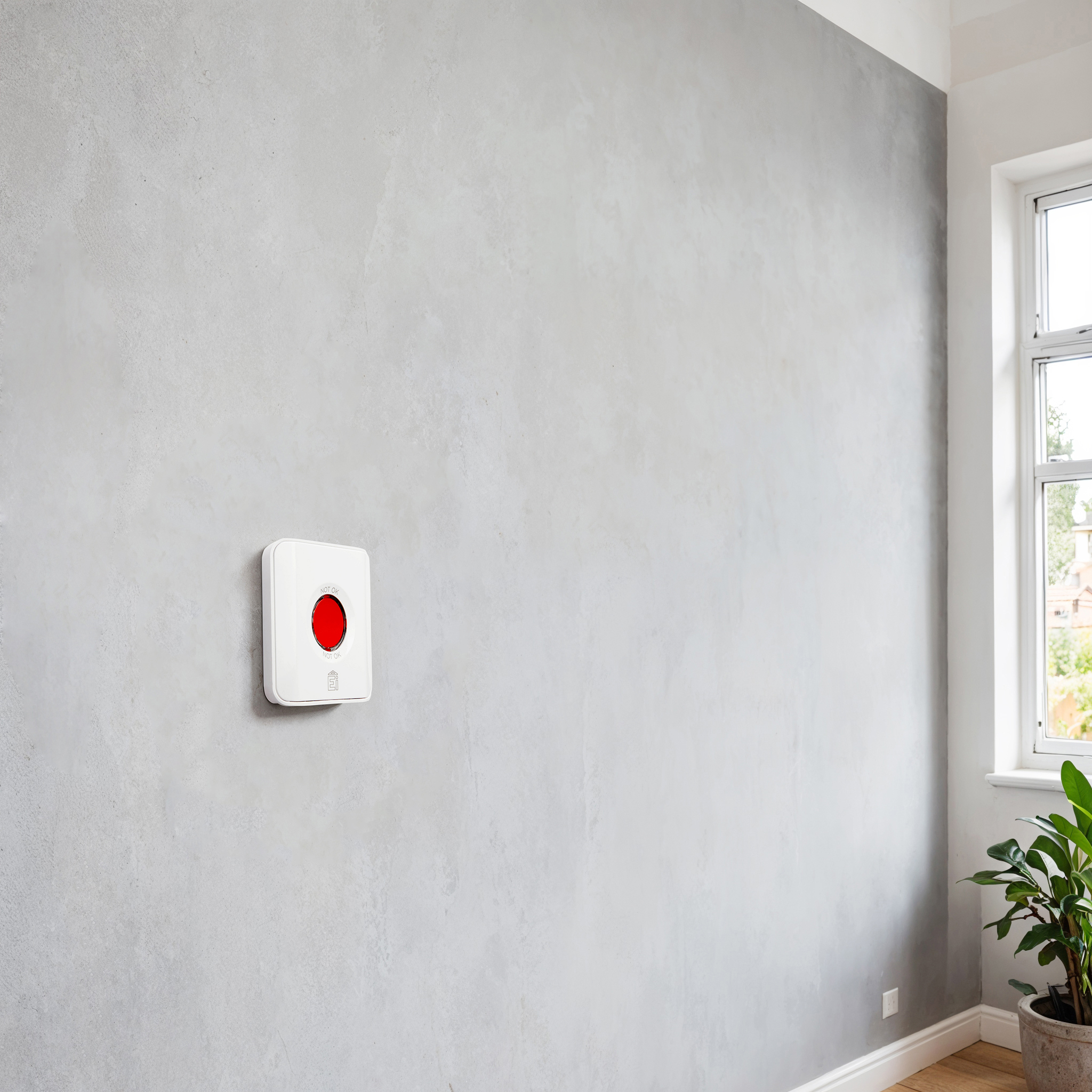
Technology could help identify some of those early indicators. This might include environmental conditions that affect health, a safety event such as an alarm activation, or a wider change in conditions that suggests something may not be quite right.
When these signals are visible through monitoring systems, they can help highlight emerging risks earlier.
However, detection alone does not reduce risk. Human oversight remains essential. Someone needs to review the information and decide what action may be required. When there is a clear link between alert and response, technology enabled care can support earlier intervention and help reduce the likelihood of issues escalating.
5) With assistive and smart home technology to promote health, what should we be mindful of?
The technology itself is designed to help, but one thing to be mindful of is assuming that connected automatically means controlled.
It is possible to have a fully installed system that looks compliant on paper but may not be performing as it should. That might be down to several issues - siting, configuration, unreliable interconnection or inconsistent maintenance.
Therefore, it cannot be assumed that installed technology automatically means effective protection.
The focus should always be on whether the system is performing as intended, and whether that performance can be evidenced. Connected monitoring can help provide reassurance here by identifying faults, highlighting issues and confirming that safety systems remain operational.
6) How do we bring the voice and experience of the resident into solutions design?
Residents experience technology very directly. Each will have an individual reaction to it. They will either feel reassured by it, or they do not.
If the alerts produced are confusing, too frequent or not followed up, then confidence can drop quickly.
Good design needs to reflect how people actually live. A combination of clear explanations, simple interaction and visible response builds trust. When residents understand what the technology is there for, and see that it works for them and their needs, they are far more likely to accept it as part of their home.
7) What challenges must we overcome in our housing stock to enable technology enabled care?
Housing stock is highly varied. Property layouts differ. Residents live different lives. Some homes are straightforward to equip with technology, while others present practical constraints.
Retrofitting systems into existing housing always requires careful assessment and correct installation in order to maximise performance.
As systems become more connected, the need for competence also increases. Clear responsibility across specification, installation, testing and maintenance becomes essential. Without that clarity, gaps could appear. And it is those gaps that could impact performance, which in turn can have a real effect on the resident’s health and wellbeing.
8) What is the economic case for technology enabled care?
The economic case is largely centred on prevention and better use of information.
If risks can be identified earlier and addressed promptly, there is the potential to reduce emergency call-outs, hospital admissions and reactive repairs.
However, these benefits do not come simply from installing devices quickly and cheaply. Long-term value depends on systems performing consistently over time.
Software visibility across connected systems can also help housing providers understand trends, prioritise maintenance and allocate resources more effectively.
The value therefore comes from sustained performance and informed decision making, rather than just the presence of technology.
9) What do landlords need to understand before scaling technology enabled care?
Before scaling deployment, landlords will need to be clear about three things.
Who receives and manages alerts generated by connected safety systems
How performance will be checked and evidenced over time
Whether there is sufficient operational capacity to act on what the technology identifies
Once installed, technology enabled care systems often become part of the landlord’s wider responsibilities for safety and property management. This means landlords need to treat it with the same discipline as any other safety system in the home.
Unlock all content
This is the 1 of 3 articles you can access for free. Become a member to unlock unlimited access to our full content library.