
A Life Transformed: The Power of Support and Belief
8th October 2024
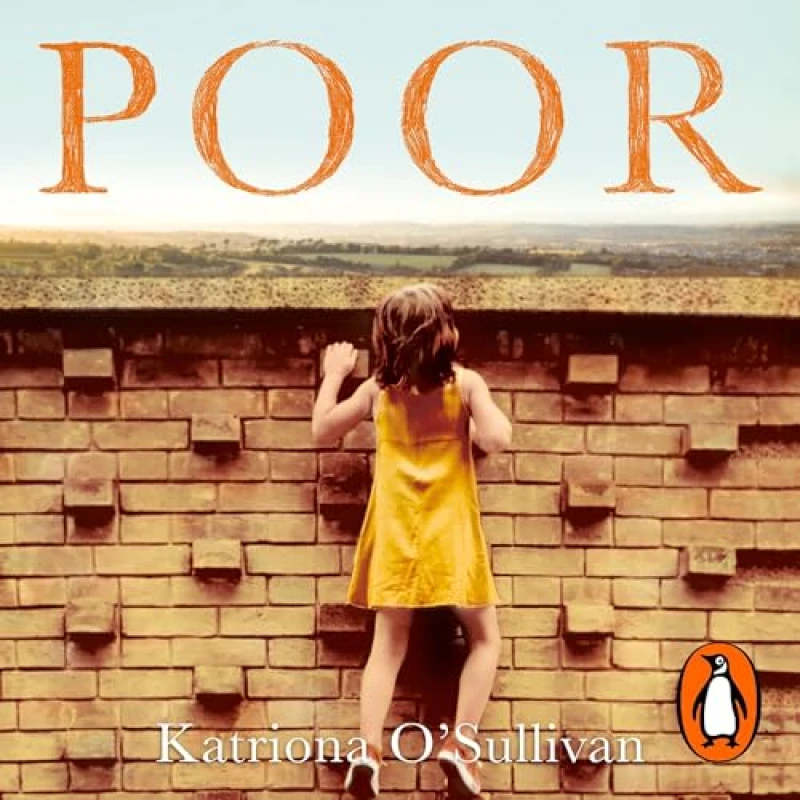
At the recent Black Country Healthy and Housing Conference, Dr. Katriona O’Sullivan, acclaimed author of Poor and Associate Professor of Psychology, shared her deeply personal and powerful story of how belief and support from key individuals in her life transformed her journey from poverty to success.
Her speech was both moving and inspirational, offering a raw and honest look at the realities of growing up in extreme poverty and how, despite the odds, she rose above it all to achieve more than she ever imagined.
The Reality of Poverty
Katriona began by explaining that her upbringing was defined by what she calls “poor-poor”—a life completely dependent on welfare, growing up in a household where neither of her parents worked and both were battling heroin addiction. She described how poverty impacted every aspect of her life, from the lack of basic necessities like food and clothing to the emotional and psychological toll of feeling constantly unsafe and unloved.
She vividly recalled her early experiences in school, where she was seen as the “bad girl”—wild and disruptive, a child who couldn’t regulate her emotions because she had never been taught how. Her life, as she described, was one of constant instability, hunger, and chaos.
The Power of People Who Believe in You
Despite this, Katriona credits several key individuals for changing her life. One of the most impactful was her primary school teacher, Miss Arkinson. “She believed in my capability to behave like everyone else, regardless of how I behaved,” Katriona said. Even when she misbehaved, Miss Arkinson consistently chose her to run errands or participate in activities, reinforcing a sense of belief in her. This consistent belief eventually transferred from the teacher to Katriona herself.
She also shared the story of how another teacher, Mr. Pickering, not only encouraged her love of literature but went the extra mile to visit her home and tell her father how amazing she was. Moments like these, Katriona said, were life-changing. “Being told you’re amazing, being told you’re good, having someone go to bat for you—it matters. It really, really matters,” she emphasised.
The Illusion of Choice
Katriona challenged the idea that children in poverty are always in control of their choices. She described how growing up in a traumatic environment made it nearly impossible for her to choose the “right path.” “Choice is a myth that’s inflicted on poor people,” she stated, arguing that the idea of simply choosing to behave or succeed ignores the profound impact of poverty on a child’s mental and emotional development.
Despite her teachers’ efforts, she still found herself pregnant at a young age, homeless, and living in a council flat. It wasn’t a lack of desire to succeed, but rather the overwhelming barriers she faced that kept her trapped in a cycle of poverty.
The Turning Point: Community Support
Her life began to change when she moved to Dublin. There, she encountered a community worker named Joe, who became another pivotal figure in her life. He connected her to a therapist and later encouraged her to enrol in an adult education course. Importantly, the system in place allowed her to pursue education without losing her benefits—a critical factor for someone who had been conditioned to rely on welfare as a safety net.
She later applied for and was accepted into a foundation year at Trinity College Dublin, a programme specifically designed for people from disadvantaged backgrounds. Katriona’s journey at Trinity was transformative. “The conditions were made correct for me, and I learned the most amazing lesson of my life: I’m not a stupid girl. I’m brilliant.” With free fees, childcare support, and guidance, she was able to excel academically, ultimately earning a PhD and becoming a published academic.
The Impact of Privilege and Inequality
One of the most poignant parts of Katriona’s speech was her reflection on privilege and inequality. After experiencing the privilege of higher education, she realised the vast disparity between the opportunities available to those with wealth and those without. She expressed frustration at how, despite over a century of knowledge about poverty, the same cycles continue to reproduce themselves.
“How have they known about the reproduction of poverty for over 100 years, and it’s still happening? How?” she asked, highlighting the deep injustice of inequality that still plagues society.
The Importance of Systems that Support
Katriona’s message to the audience was clear: systems need to be in place that recognise and respond to the needs of people in poverty. From free mental health support to education programmes that don’t penalise those on benefits, these systems allowed her to thrive, and they can do the same for others.
She also stressed that people in poverty aren’t broken—they don’t need to be changed, but the conditions around them do. “I have so many skills. I am hurt, I was broken, but I didn’t need changing. I needed the conditions to be made correct for me to demonstrate the skills that exist in my community.”
A Call to Action: Keep Fighting for Change
Katriona ended her speech by urging those working in housing and health to continue their efforts. “People like you save my life—not just my life, but my kids’ lives.” She reminded the audience that their work has a profound impact, and by believing in people and creating the right conditions, they can change the entire future of a family.
Her final words were both a thank you and a rallying cry: “Please keep trying. It’s worth it. You can actually change the whole future of someone’s family just by believing in people, recognising the skills in poor communities, and creating the conditions so people can flourish.”
Katriona O’Sullivan’s story is a testament to the power of belief, the importance of supportive systems, and the impact that individuals and communities can have when they go the extra mile for those in need
Unlock all content
This is the 1 of 3 articles you can access for free. Become a member to unlock unlimited access to our full content library.