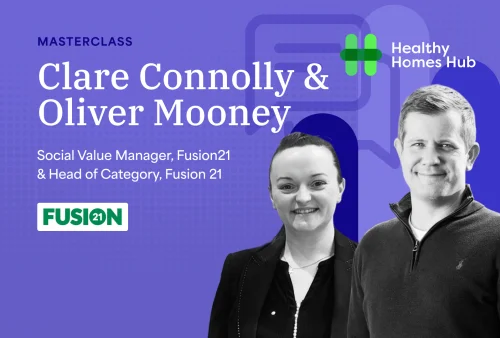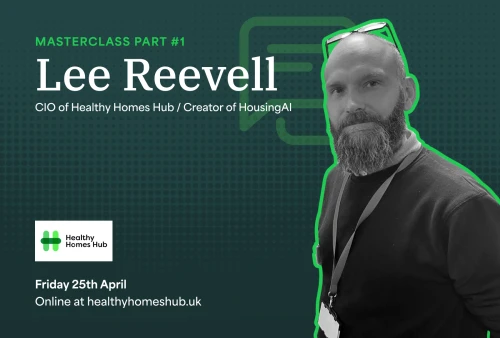

Compliance for Senior Housing Leaders & NEDs

Slide deck
Key Topics Covered
Linear vs Operational Compliance
Linear Compliance: Focuses on meeting legal thresholds and ensuring inspections are completed (e.g., achieving 98-99% entry for gas checks). While important, it often lacks depth in risk management.
Operational Compliance: Goes deeper into understanding the data and risks associated with compliance documents (e.g., gas or electrical safety checks) to identify potential issues before they become critical. This includes reviewing inspection data thoroughly to catch early warning signs, which can prevent accidents and costly repairs.
Proactive Compliance Strategy
A proactive approach to compliance involves gathering, improving, and maintaining data to drive safety and longevity of assets. This strategy reduces the likelihood of major failures (e.g., electrical fires) and allows for predictive maintenance.
Emphasis was placed on the GIM Methodology ("Gather, Improve, Maintain") as a continuous improvement loop to ensure standards are upheld and improved over time.
Data-Driven Compliance and Innovation
Role of Data: Accurate and comprehensive data allows housing providers to make informed decisions, respond promptly to evolving standards, and proactively maintain properties.
Technology in Compliance: IoT devices, AI, and data-driven solutions (such as TCW’s platform) can greatly enhance compliance by centralising and analysing data. However, caution was advised regarding AI – it should support, not replace, human expertise.
Industry Best Practices
Ryan highlighted the importance of standardising and sharing compliance data across the sector to create benchmarks, enabling a more realistic understanding of compliance standards and achievable goals across organisations.
The Role of Board Members in Compliance Oversight
Board members should seek a blend of linear compliance reports (basic metrics) and operational insights, especially on actions required post-inspection. An internal audit process and randomised checks can help ensure compliance reports are trustworthy.
Case Studies & Real-World Examples
Grenfell Tower Case: Used as a powerful example of the dangers of relying solely on linear compliance without operational diligence. The incident underscores the need for compliance documentation to be evaluated by qualified professionals.
Example from Social Housing: A faulty electrical installation that resulted in a fatality highlighted the risk of inadequate operational compliance.
Key Takeaways and Recommendations
Shift to Operational Compliance: Boards and executives should understand and support a shift from linear compliance to operational compliance, ensuring deeper accountability and proactive risk management.
Invest in Competent Staff and Technology: Housing organisations should prioritise hiring qualified staff to interpret compliance documents accurately. Investing in innovative, proven compliance technology (such as TCW’s platform) can streamline data collection and analysis.
Encourage a Proactive Culture: Fostering a proactive approach to compliance, including predictive maintenance, will help avoid costly and dangerous incidents.
Stay Updated on Evolving Standards: The sector should engage with new safety regulations and strive to meet or exceed them through ongoing training, internal audits, and regular risk assessments.
Benchmarking and Sharing Data: Collective data across the sector should be harnessed to establish realistic benchmarks for compliance standards and foster a collaborative approach to continuous improvement.
Conclusion
The masterclass underscores the importance of moving beyond traditional compliance approaches. By embracing operational compliance and leveraging data-driven strategies, housing organisations can create safer, more sustainable environments for tenants.
Compliance for Senior Housing Leaders & NEDs
Keeping pace with the ever evolving social housing landscape has never been more critical. Staying up to date is not optional, it is essential. Our masterclass series offers a flexible, accessible way to enhance your professional knowledge.