

Why Glazing Matters for Health and Comfort
18th November 2025
Matt Chenery
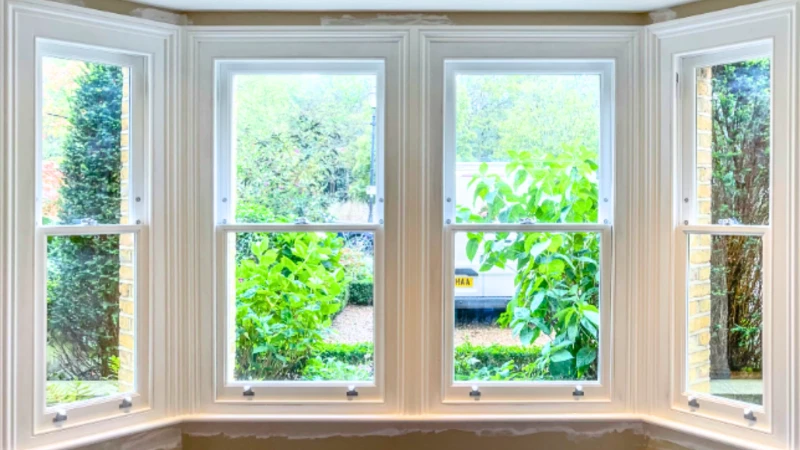
The overlooked link between windows and wellbeing
When we think about healthy homes, our minds often turn to ventilation, heating systems, or insulation. Yet, as Ruth Henderson, Managing Director of the Vacuum Glazing Network, reminds us, “glazing is key to our indoor lives and we just don’t realise it , we take it for granted.”
From the light that sets our circadian rhythms to the air we breathe and the warmth we feel, glazing has a direct role in shaping our physical and mental health. The conversation around net zero and energy efficiency has accelerated, but too often, the humble window remains outside the frame.
“Every home has windows,” Henderson points out. “Not every home will install a heat pump, but glazing is universal , it affects every resident, every day.”
Beyond heat loss: glazing and human health
Condensation and mould are now recognised as major health hazards. The Decent Homes Standard place increasing pressure on landlords to address them. But while the conversation usually focuses on insulation and ventilation, glazing, as the coldest surface in the building fabric, plays a quiet but decisive role.
“When warm air meets cold glass, condensation forms,” Henderson explains. “Vacuum glazing alters that dew point. Because the internal pane stays warmer, condensation and mould around window frames are drastically reduced.”
The implications for health are far-reaching. Reducing condensation not only curbs damp related respiratory risks but can also alleviate the cold drafts and temperature swings that drive fuel poverty and thermal discomfort. A stable indoor temperature supports sleep and general wellbeing, especially for children, the elderly and those with long term conditions.
Equally important is noise. Studies have long linked sound pollution to anxiety, hypertension, and poor concentration. “We rarely consider the value of glazing in sound reduction,” Henderson says, “but noise affects stress, blood pressure and focus. Vacuum glazing can reduce sound by over 40 decibels, it’s the difference between chaos and calm.”
Retrofitting for comfort and compliance
For landlords facing the government’s tightening EPC C targets by 2030, glazing is a critical but often ignored piece of the puzzle. While grants like SHDF and ECO schemes cover insulation and heating upgrades, windows remain excluded, leaving housing providers with a compliance gap.
“By 2028, new landlords need to reach EPC C; by 2030, existing ones do,” Henderson notes. “But glazing isn’t grant funded, so it’s continually overlooked.”
This oversight is costly. As Ruth points out, roughly 80% of the buildings that will exist in 2050 are already built, many with inefficient windows. “Replacing glass alone, without changing the frame, can halve heat loss and double window performance,” she explains. “You’re saving carbon, saving money, and avoiding landfill waste from thousands of perfectly good frames.”
The Vacuum Glazing Network’s PassivGlas™ product demonstrates what’s possible. A centre-pane U-value of 0.5 outperforms triple glazing, yet can retrofit directly into existing frames, from heritage timber to modern uPVC. That opens doors for social housing providers balancing energy performance with conservation and cost.
Real-world results
A recent installation at a Salford school illustrates the potential. Single glazed steel windows were replaced with vacuum units, and sensors now monitor indoor temperature, carbon levels, and sound. Early feedback has been striking.
“The children noticed the sound difference first, the playground noise just disappeared,” Henderson recalls. “Teachers saw more consistent indoor temperatures. The building stayed warm in winter and cool in summer.”
In domestic settings, results are equally clear. One homeowner compared energy use before and after installing vacuum glazing and recorded a 19% reduction over the winter months. Others describe homes as “warmer, quieter, peaceful.”
“Once you’ve experienced it,” says Henderson, “you realise comfort isn’t just about heat, it’s about calm.”
The science of the vacuum
Vacuum glazing technology isn’t new, it’s the same principle that keeps a flask hot or cold all day. By removing air between two panes, the vacuum prevents heat transfer by conduction or convection. Unlike argon filled units that degrade over time, vacuum glazing maintains its performance for decades.
“The lifespan is over 30 years,” says Henderson. “Double glazing warranties are usually five. We need glass that lasts as long as the frame, it just makes sense.”
Towards healthier, quieter, longer, lasting homes
In the context of decarbonisation, glazing shouldn’t be an afterthought. “You can’t focus on heating systems before securing the building envelope,” Henderson argues. “Optimise your insulation and glazing first, then your heating and cooling systems will perform better, cost less, and last longer.”
She also highlights the opportunity for innovation in listed and period properties. Historic England now recognises vacuum glazing as a viable option for heritage upgrades, helping to protect architectural character while meeting modern efficiency standards.
“People living in period homes deserve comfort and health too,” she says. “Vacuum glazing allows that, unobtrusively.”
Practical steps for housing providers
Revisit your retrofit hierarchy. Include glazing in energy and health audits.
Prioritise condensation risk. Identify cold surfaces near windows as part of damp and mould assessments.
Engage with innovation. Explore technologies like vacuum glazing that offer retrofit compatibility and long lifespans.
Collaborate across sectors. Link housing, health, and heritage teams to deliver balanced outcomes.
Monitor comfort as well as carbon. Use sensors to measure temperature stability, humidity and sound as indicators of wellbeing.
As Ruth Henderson concludes, “A healthy home is one where people feel safe and comfortable. Glazing is part of that story, not just for warmth, but for wellbeing.”
Unlock all content
This is the 1 of 3 articles you can access for free. Become a member to unlock unlimited access to our full content library.