
Using Data to Improve Building Safety and Compliance
24th June 2026
Jenny Danson
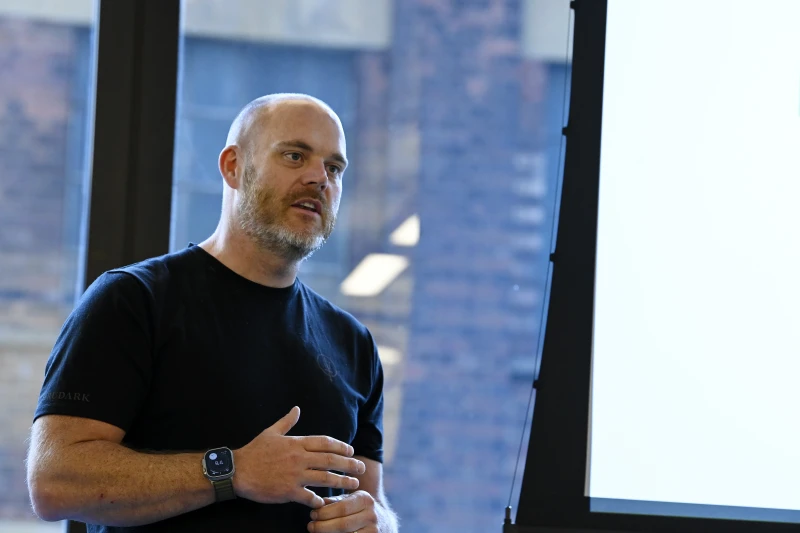
This workshop was led by Ryan Dempsey, CEO of TCW, and it explored whether the housing sector is genuinely safer than it was ten years ago, despite increased regulation, more data, new technology and greater reporting. The central message was that safety does not come from activity, dashboards or compliance processes alone; it comes from competent people interpreting the right data and acting on it.
Main themes
Data is only valuable when understood and acted on. The speaker argued that the sector already holds much of the information needed to identify and prevent risks, but often fails to interpret it properly or escalate it to the right decision-makers.
Assurance activity is not the same as safety. Inspections, audits, reports, dashboards and meetings may provide evidence of activity, but they do not necessarily prevent harm unless they lead to practical action.
Competence is a leadership issue. Compliance managers are often expected to make decisions across many technical areas, including fire, gas, electrical safety, legionella, lifts and other systems. The session stressed the need for broader technical understanding and access to competent specialists.
Technology and AI should support, not replace, judgement. AI and analytics can surface patterns and risks, but users must understand the context, limitations and meaning of the information before relying on it.
Culture, accountability and governance matter as much as systems. Participants discussed the need for board-level accountability, stronger data ownership, better governance, and a culture that prioritises resident safety over visual, political or short-term priorities.
Key examples discussed
Electrical compliance and missed risk: The speaker described a serious house fire where an electrical report completed weeks earlier contained information that could have indicated a risk. The example was used to show how important it is to examine detailed data, not just summary compliance outcomes.
Underuse of available data: The speaker stated that large volumes of compliance documentation are processed, but much of the data generated is not used effectively because organisations do not always know how to interpret it.
Generalist decision-making: The group discussed the risk of generalist managers making technical compliance decisions without sufficient specialist knowledge or challenge.
Siloed data: Participants noted that housing providers often hold useful information across separate systems and teams, making it difficult to form a complete view of property risk.
AI and image analysis: AI was described as useful for identifying issues that humans may miss, such as damp and mould visible in a photograph taken for another purpose. However, this still requires human review and decision-making.
Discussion points
Presenting data clearly: Participants asked how complex technical information can be presented in plain language so that it prompts action rather than being ignored.
Education and competence: The group discussed whether the sector needs stronger qualifications, training and minimum competency standards for those managing compliance, not just those carrying out technical work.
Data storytelling: Data teams need to work with operational teams to define the decisions that need to be made, then shape data products around those decisions.
Data governance and source of truth: Participants highlighted the need to know which system or record should be trusted when multiple sources contain conflicting information.
Risk appetite and culture: The conversation emphasised that risk management depends on boardroom culture, investment priorities and willingness to challenge established ways of working.
Moving from reactive to proactive: The group agreed that the sector needs to move away from responding only to serious failures and towards using data for prevention, prioritisation and planned investment.
Practical takeaways
Do not assume that more data, dashboards or reports automatically mean greater safety.
Build technical competence across compliance teams and ensure access to specialists where needed.
Use data to support decisions, but require human judgement, challenge and accountability.
Improve data governance so teams understand ownership, source of truth and the meaning of key data points.
Present information in a way that tells a clear risk story and links directly to actions.
Bring the right people together across compliance, asset management, repairs, data, technology and leadership to make joined-up decisions.
Use technology and AI to identify patterns, risks and anomalies, but validate outputs before acting on them.
Measure year-on-year safety and compliance improvements transparently and report them at board level.
Overall message
The workshop concluded that the sector will only become safer if it moves beyond proving compliance and starts using data to understand risk, challenge assumptions and drive action. The priority is not simply collecting more information, but ensuring competent people can interpret it, explain it, and use it to make residents safer.
Unlock all content
This is the 1 of 3 articles you can access for free. Become a member to unlock unlimited access to our full content library.