

Retrofit as Health Intervention: Making It Personal
6th October 2025
Matt Chenery
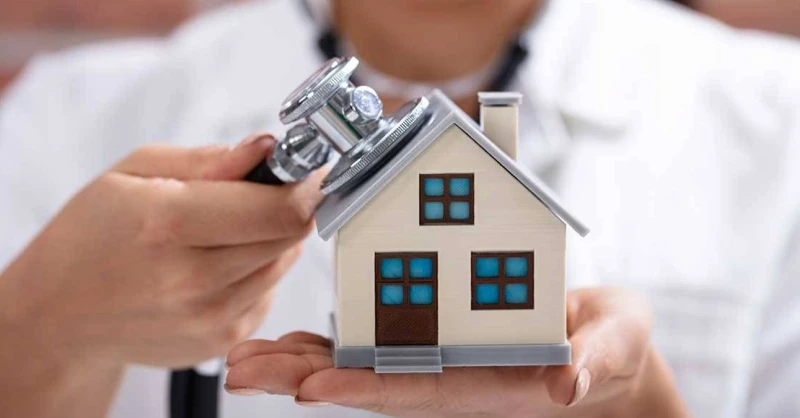
Putting health at the heart of retrofit
Retrofit is no longer just about achieving Energy Performance Certificate (EPC) targets. For sector leaders like Mustafa Mustafa, Decarbonisation Director at Morgan Sindall Property Services, the conversation has shifted. “Residents want a warm, dry, comfortable home,” he explains. “This is not an abstract aspiration. It’s about dignity, health and quality of life.”
Mustafa, who has led large-scale social housing retrofit programmes recognised for their quality, believes framing retrofit purely around carbon reduction fails to connect with the people who live in these homes. “If you go in and say we need to get this property to a C or a B, that’s not relevant to them. But talk about reducing damp, stopping mould and helping them heat their home more affordably – that resonates.”
This realignment reflects the broader aims of the Social Housing Decarbonisation Fund (SHDF) Wave 3 and beyond: tackling fuel poverty, improving health outcomes, and creating more resilient homes.
Learning from past waves
The sector has come a long way since the Green Homes Grant days. “We’ve seen a massive upscale in learning from both contractor and client side,” says Mustafa. “Even residents understand retrofit more. They know what it is. That’s progress.”
This iterative approach – learning from SHDF Wave 2.1 and 2.2 to shape delivery for Wave 3 – is essential. Housing providers now have stronger internal systems, clearer processes around PAS 2035 compliance, and better resident engagement. “It’s about keeping those three elements together – consulting residents, delivering quality, and staying on schedule. If you do that, the project succeeds.”
From technical targets to human outcomes
Mustafa’s core message is clear: retrofit must be reframed as a health intervention. He wants to see the sector measure and communicate its impact on physical and mental wellbeing.
“Can we evidence the amount of asthma symptoms easing after this work? Are older residents able to maintain safer indoor temperatures through the winter? Parents feeling less stressed knowing their children are sleeping in warm, dry rooms – these are powerful, human outcomes.”
By doing so, retrofit becomes more than an infrastructure project. It becomes a tool for addressing long-term health inequalities, reducing NHS pressures, and improving community wellbeing.
The basics still matter
While the sector experiments with advanced technologies and AI-powered optimisation, Mustafa believes the fundamentals are where the biggest wins lie.
“Innovative technologies and advanced systems have their place,” he says. “But it’s often the basics done well that deliver the most immediate and lasting health benefits – high-quality insulation, proper ventilation, effective damp proofing, reliable heating systems. If you don’t get those right, the rest doesn’t work.”
This back-to-basics message feels particularly relevant as funding pressures and skills shortages create delivery challenges.
Behaviour change needs human connection
One area Mustafa sees room for improvement is post-installation support. “It’s hard. You are asking people to change behaviours embedded for 30 or 40 years,” he says. “That doesn’t happen with a leaflet. It happens with support, check-ins, and face-to-face conversations.”
Technology such as IoT can monitor performance, but as Mustafa points out, “AI is great, but people still want someone to talk to at the end of it.” For this reason, he argues for ongoing resident engagement – six and twelve-month check-ins, housing officer visits, and local champions who can keep communities engaged with their new systems.
The opportunity ahead
Looking forward, Mustafa sees a chance for retrofit to become a cross-sector collaboration – connecting housing providers, the NHS, public health teams, and community organisations. “When retrofit is framed as a health measure, it opens the door to collaboration with NHS, public health teams, social care, wellbeing charities. That’s how you unlock more funding and deliver at scale.”
There are challenges ahead – funding gaps, material shortages, an ageing workforce – but Mustafa is optimistic. “If we align funding, policy, skills and delivery models, the next two years could be a real turning point for this sector.”
Next steps for the sector
If we are serious about using retrofit as a health intervention, then the sector needs to:
Collect and share evidence – measure health outcomes such as reduced respiratory conditions and improved wellbeing.
Reframe the conversation – focus on human outcomes rather than EPC ratings and technical jargon.
Invest in post-retrofit support – help residents adapt through follow-up visits and clear, practical communication.
Strengthen cross-sector partnerships – work with NHS and public health bodies to align priorities and funding.
As Mustafa puts it:
“Health shouldn’t be a footnote. It should be the core of why we do retrofit.”
Unlock all content
This is the 1 of 3 articles you can access for free. Become a member to unlock unlimited access to our full content library.