

How Planning Policy Can Shape Healthier Communities
23rd March 2025
Jenny Danson
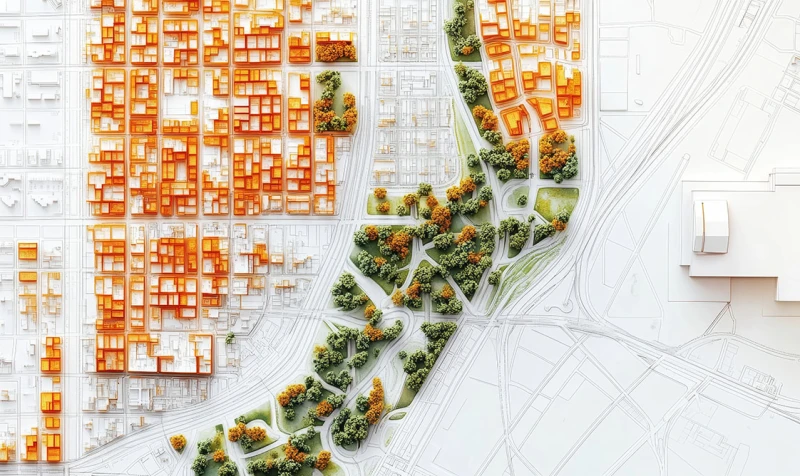
When we think about what makes a healthy life, planning policy probably isn’t the first thing that comes to mind. But where we live, what we have access to, and how our surroundings are designed all play a huge role in shaping our health. The National Planning Policy Framework (NPPF), a key government planning document, has recently been updated—and the changes could have a big impact on public health.
At a recent webinar hosted by the Association of Directors of Public Health (ADPH) and the Local Health and Global Profits (LHGP) project, experts explored how councils can use planning policy to tackle obesity, improve air quality, and create healthier neighbourhoods.
Why Does Planning Matter for Health?
Research shows that where you live affects your health. People in deprived areas are more likely to live near fast food outlets, busy roads, and poor-quality housing—all of which contribute to worse health outcomes.
Councils already use planning rules to shape local environments, but until now, public health wasn’t always at the heart of decision-making. With these new changes, there’s a stronger link between planning and health, helping local authorities create places that actively promote wellbeing.
Key Changes to Planning Rules in the NPPF
The updated NPPF, published in December 2024, strengthens the role of planning in supporting health. Three key changes stand out:
Creating Healthier Places (Paragraph 96)
New rules encourage councils to design neighbourhoods that promote good health.
This means more green spaces, better cycling and walking routes, and access to healthy food options.
Councils are expected to reduce health inequalities by considering local needs in their planning decisions.
Crackdown on Hot Food Takeaways (Paragraph 97)
Councils can now refuse planning permission for new fast food takeaways near schools.
If there’s evidence that too many takeaways in an area are harming public health, councils have the power to say no.
This is a huge step towards tackling childhood obesity, particularly in deprived areas where fast food outlets are most common.
Stronger Health Infrastructure (Paragraph 101)
Planning now prioritises health services like GP surgeries, hospitals, and emergency services.
New housing developments must consider the impact on local health services.
Councils will need to work closely with health professionals to plan for community health needs.
What This Means for Local Communities
These changes give councils more confidence to put health at the centre of planning decisions. Instead of fighting legal battles with fast food chains or struggling to prove the need for health services, local authorities now have a clear framework to support their decisions.
This means:
- Fewer takeaways near schools—making it easier for children to make healthier food choices.
- More green spaces and walking routes—encouraging active lifestyles.
- Better access to healthcare—ensuring new developments don’t put strain on local services.
Challenges Ahead
Of course, putting these policies into practice won’t be easy. Some challenges include:
Defining "fast food outlets"—without a legal definition, councils may struggle to enforce the rules consistently.
Online food delivery services—apps like Deliveroo and UberEats allow people to access unhealthy food without visiting a physical takeaway.
Balancing planning priorities—new takeaways may be blocked near schools, but what about in town centres?
What’s Next?
The government has signalled further planning reforms in 2025, including:
Devolution of planning powers—giving local areas more control over health-related decisions.
New Town Developments—10,000+ home communities designed with health in mind.
More support for councils—including guidance on implementing the new policies effectively.
This is an exciting time for public health and planning to work together. With the right approach, these changes could help reduce health inequalities, improve access to services, and create healthier communities for everyone.
Want to Learn More?
Check out the National Planning Policy Framework.
Follow updates from ADPH and LHGP for more insights on health and planning policy.
If you're involved in local planning, consider how these changes could be used to benefit your community.
The way we plan our towns and cities isn’t just about buildings and roads—it’s about giving everyone the opportunity to live a healthier life.
Unlock all content
This is the 1 of 3 articles you can access for free. Become a member to unlock unlimited access to our full content library.