

From Retrofit to Delivering Long-term Energy Security: Why Social Housing is Powering the UK's Energy Future
8th December 2025
James Williams
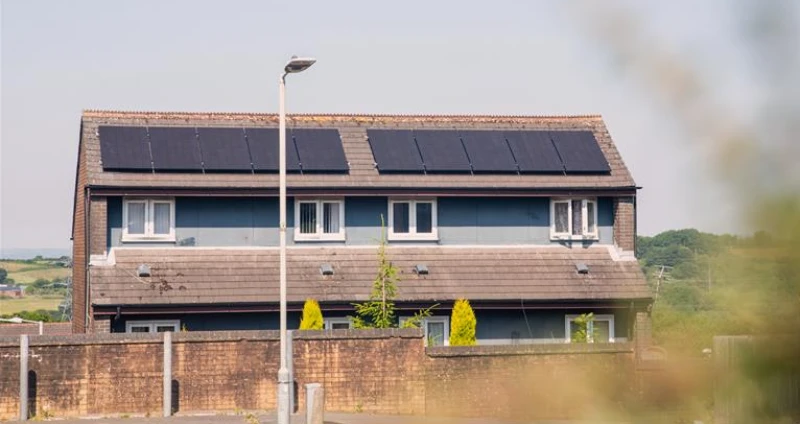
There’s no denying that the social housing sector has become a leader in tackling fuel poverty through improving the energy efficiency of its homes. But now, it needs to consider something even more transformative: turning homes into active energy assets that support the grid, further reduce bills, and unlock new sources of income.
Electrification in Action
According to the decarbonisation-fund-statistics-october-2025/summary-of-the-social-housing-decarbonisation-fund-statistics-october-2025">latest figures from the Department for Energy Security and Net Zero (DESNZ), the Social Housing Decarbonisation Fund (SHDF) has delivered:
96,500 energy efficiency measures across 47,300 homes, including 14,553 Solar PV installations and 3,634 heat pump installations.
These numbers are expected to rise as more data from Waves 2.1 and 2.2 is reported, and with Wave 3 (now the Warm Homes Social Housing Fund) getting underway, the sector is clearly leading the charge in changing how we power and heat our homes.
And that’s just the publicly funded picture. Many landlords are going further, using their own capital or private finance to retrofit homes, reduce emissions, and protect residents from rising energy costs.
Why this matters now
At Sero, we’ve always believed that homes can do more than just consume energy, they can generate, store, and optimise it. As more landlords adopt electrification, we’re witnessing a shift from “how do we do this?” to “how do we make this business as usual?”
This shift is critical. With over 6 million UK households in fuel poverty (according to National Energy Action), reducing energy bills isn’t just a nice-to-have, it’s a necessity. And for landlords, it’s a powerful driver to invest in retrofit and rethink the role of their homes in the wider energy system.
Homes as part of the grid - not a burden on it
The technologies being installed: solar panels, heat pumps, batteries, aren’t just about decarbonisation. They’re about flexibility. When managed smartly, these homes can:
Shift demand to off-peak times
Store energy for later use
Sell excess power back to the grid
Reduce pressure on local infrastructure
This isn’t just good for the grid, it’s also good for residents, and if done correctly, can positively impact the way we price energy and provide them with long-term energy security.
From cost centre to value generator
We want to help landlords view their homes not just as places to live, but as energy assets. Assets that can:
Lower bills for residents
Generate income through flexibility markets
Attract new investment
Support national energy resilience
This is the next frontier for retrofit. It’s not just about reducing bills and hitting net zero targets; it’s about integration, optimisation, and long-term value.

Let’s build on this momentum
The social housing sector is already leading the way. But to truly unlock the value of energy in homes, we need:
Landlords to start thinking about how they include the management of their homes as power stations in their asset management strategies
Policy that rewards flexibility and grid support
Finance models that reflect long-term value and shared savings
Partnerships that make this simple for landlords and beneficial for residents
What to Consider Next
As the sector moves from short-term funding projects to long-term strategy, it’s time to ask some crucial questions:
For your residents: What is your role in providing energy as you electrify homes? Does your strategy include technologies and solutions that make it easy for residents to benefit from demand shifting and energy storage? Are they still at risk of volatile energy prices and a system that expects low-income homes to ‘just pay your bill’, and is incentivised to sell more energy?
For the grid: How are you reducing pressure on local infrastructure? What are the implications for your upgraded homes as the government rolls out its planned grid upgrades?
On your budgets: Are you missing out on income from excess power exported back to the grid, or from charging for energy consumed via installed technologies? Could this help you scale retrofit delivery by unlocking new funding models?
If these questions resonate, it’s worth exploring Energy-as-a-Service models and the role they could play in your retrofit strategy, supporting both financial resilience and energy security for your residents.
Our aim with our model isn’t just to bring funding into the sector; it’s to flip the traditional utility model on its head. Instead of selling more energy, we focus on reducing use and lowering costs. By aggregating demand across portfolios of homes, tapping into flexibility markets, and optimising supply, we can secure better rates and manage consumption in ways that benefit residents, landlords, and the wider energy system.
This shift from supply to service marks a significant change. Rather than asking residents to chase tariffs or become energy experts to maximise time of use tariffs and technologies, we believe in introducing smarter models that do the heavy lifting. Models that make it easier to drive down bills, unlock value, and deliver better outcomes for everyone.
Unlock all content
This is the 1 of 3 articles you can access for free. Become a member to unlock unlimited access to our full content library.