
Blue and Green Spaces: Mitigating Overheating
5th January 2025
Overheating in homes is becoming an increasingly urgent issue in the UK and around the globe. Driven by rising global temperatures and more frequent heatwaves this phenomenon poses significant health risks to residents, particularly the elderly, children, and those with pre-existing health conditions.
The health risks to these vulnerable groups include, but are not limited to heat exhaustion, dehydration, respiratory difficulties, and even heat stroke due to prolonged exposure to high indoor temperatures in a housing stock not built for today’s record breaking temperatures.
The ongoing heating of homes has garnered attention not only from public health officials dealing with the consequences of over-heating homes, but also from legal authorities. The Housing Health and Safety Rating System (HHSRS) obligates landlords to ensure properties do not pose a serious risk to the health of occupants, with overheating now considered a hazard. If proper measures aren’t taken to mitigate overheating, potential penalties are on the table for non-compliance.
Homeowners and tenants alike can take action inside their homes to mitigate the risks of an overheating home such as improving insulation, opening windows to provide ventilation, installing fans, or using blinds. While these are the simplest actions, they’re often not enough, therefore we must focus on the importance of the external environment, particularly blue and green spaces, in controlling the temperature within homes.
Understanding Blue and Green Areas
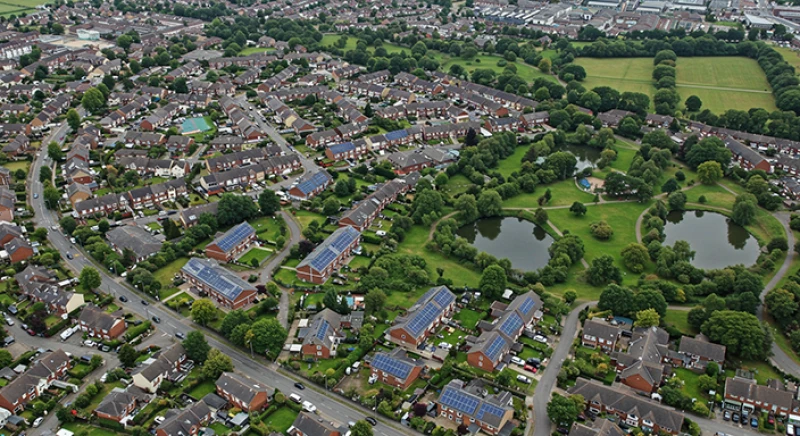
Blue and green infrastructure spaces play a vital role in managing the local climate through areas like parks, forests, gardens, lakes, rivers, and ponds.
Green areas, mitigate climate impacts by absorbing rainwater, reducing flood risks, improving air quality by filtering pollutants and they cool urban areas by combating the heat island effect, while enhancing biodiversity. Additionally, green zones will support the global effort to sequester carbon, helping reduce greenhouse gas emissions and building climate resilience. Map Impact provides innovative data and visualisations to the housing sector, demonstrating where built-up urban areas become significantly warmer than their green surroundings.
Blue areas, such as lakes, rivers, and wetlands, mitigate climate impacts by absorbing excess rainwater, reducing flooding, and regulating water cycles. They support biodiversity by providing habitats for aquatic species and improve air quality through moisture regulation, while storing carbon to reduce greenhouse gas emissions.
Together, these spaces act as nature’s air conditioners, reducing the heat stress on nearby homes.
The benefits of blue and green areas will extend beyond individual households and create value at the community level. These spaces contribute to a better overall quality of life for both residents and wildlife. For instance, people who live within a convenient walking distance to parks and greenways can enjoy the cooling effects of these areas and are more likely to engage in outdoor activities, which can enhance both their physical and mental well-being.
Likewise, we can see through detailed habitat assessments and monitoring tools these spaces are invaluable for wildlife, providing habitats for birds, insects, and small mammals that might otherwise struggle in increasingly urbanized environments. The importance of blue and green spaces in supporting biodiversity cannot be overstated, as they offer crucial ecological corridors in densely built, ever- warming cities.
A Call to Action
Climate change will likely continue to exacerbate overheating in UK homes creating a pressing need for both immediate and long-term action. Integrating green and blue spaces into urban planning will play an increasingly crucial role in combating rising temperatures and enhancing quality of life for all living things, while protecting residents and the longevity of the physical home.
Taking immediate action to integrate and expand these natural cooling systems creates benefits for current and future generations. By prioritising nature-based solutions, we can help alleviate the heat stress on homes while supporting wildlife and fostering healthier, more liveable communities in the face of rising temperatures.
Read more in this case study from Map Impact and Livv Housing
Unlock all content
This is the 1 of 3 articles you can access for free. Become a member to unlock unlimited access to our full content library.
Author