
Revolutionising Retrofit: Insights from the Transform-ER Project
23rd February 2025
Matt Chenery,
HousingAI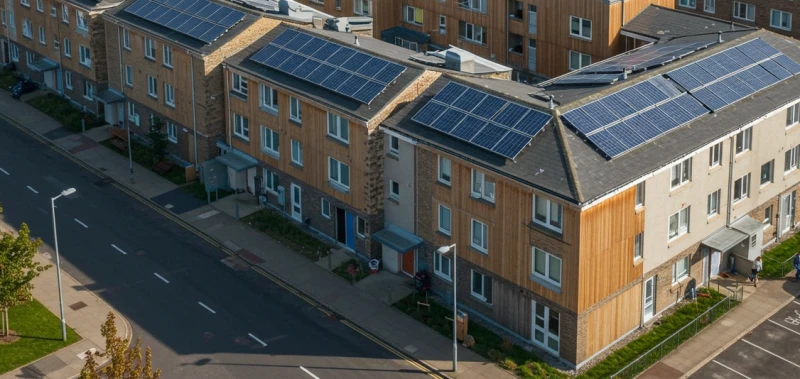
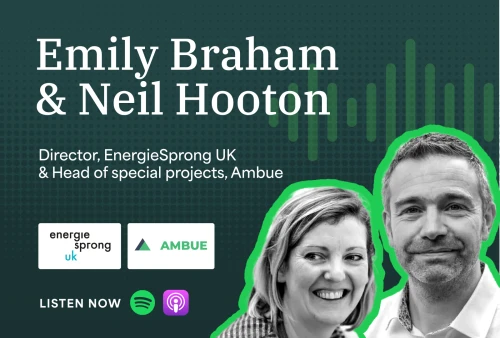
The retrofit sector is at a critical juncture, with the ambitious goal of upgrading a million homes annually to meet net-zero targets. Leading this charge is the Transform-ER project (see more details at the end of this article), an innovative collaboration bringing together data, technology, and a resident-first approach to reshape how homes are retrofitted. In a recent podcast, Emily Braham from EnergieSprong UK and Neil Hooton of Ambue shared their perspectives on the challenges and solutions driving this transformative initiative.
A Data-Driven Retrofit Revolution
At the heart of the Transform-ER project is a bold vision: creating a scalable, efficient retrofit model to meet the staggering demand for greener, healthier homes. Neil Hooton highlighted how data and technology are pivotal to this transformation. “Data quality is key,” he explained. Using Unique Property Reference Numbers (UPRNs) as a cornerstone, the project ensures all stakeholders work from a single, reliable dataset.
But it doesn’t stop there. Advanced tools like machine learning and graph technology—similar to algorithms behind Netflix recommendations—are being deployed to analyse property typologies. This allows retrofit solutions to be matched to properties more efficiently, reducing risks and delays. The ultimate aim? Greater predictability, streamlined processes, and better outcomes at scale.
Resident-Focused Innovation
Emily Braham stressed the importance of placing residents at the centre of retrofit efforts. She likened the process to buying a kitchen: “People need clarity, choice, and communication to feel empowered and engaged.” Transform-ER seeks to flip the traditional approach by giving residents more agency. For example, residents can specify their priorities—whether cost savings, health benefits, or environmental impact—and receive tailored solutions.
However, this resident-first approach must balance individual preferences with landlords’ strategic asset management plans. “Clear communication and setting expectations upfront are vital,” Emily noted, to avoid frustration and build trust in retrofit programmes.
The Role of HousingAI
A standout tool discussed in the podcast was HousingAI, a game-changing resource developed by the Healthy Homes Hub. HousingAI is designed to support the retrofit sector by providing up-to-date guidance, compliance information, academic research, and best practices. The tool also enables users to create board papers, policies, and FAQs, ensuring alignment with the latest industry standards.
Emily described her experience using HousingAI as “brilliant,” highlighting its value in simplifying complex processes and enabling informed decision-making. By requiring users to contribute best practices, the platform ensures its content remains relevant and actionable.
Breaking Systemic Barriers
The retrofit sector faces systemic challenges, from fragmented procurement processes to the unpredictable nature of property conditions. Drawing inspiration from large-scale projects like Heathrow Terminal 5, the Transform-ER project aims to implement a collaborative contracting approach. This model fosters shared accountability and incentivises innovation, creating a smoother pathway for large-scale retrofit programmes.
Additionally, the project partners with innovators like UltraPanel and Bowtie, who are developing modular solutions to address the logistical challenges of retrofitting diverse housing stock.
The Road Ahead
Looking to the future, Emily and Neil emphasised the importance of long-term collaboration and scalability. With the right mix of data, technology, and resident focus, the retrofit sector can overcome barriers and achieve sustainable success.
The Healthy Homes Hub, through tools like HousingAI, continues to play a crucial role in this journey. By equipping stakeholders with the resources they need, it’s helping to turn the vision of healthier, net-zero homes into reality.
Transform-ER project
Transform-ER (Transform.Engage.Retrofit) is a game-changing, consortium-led project funded by Innovate UK that’s tackling the retrofit industry’s biggest barriers to scale, from rising costs and underperformance issues to inadequate financing options and poor collaboration.
13 industry leaders are collaborating to create a cohesive, industrialised sector that uses a standardised end-to-end process to deliver high-performance, cost-effective home improvement solutions. The aim is to enable one million home upgrades every year by 2030, starting in social housing.
They will use the Demand-Develop-Deploy structure to concurrently create new deployment and contract approaches, streamline accreditation processes, prototype products and kits-of-parts, develop digital pipeline tools and a scalable finance mechanism, foster culture change and form a Retrofit Rulebook.
The result? A new industrialised retrofit system and marketplace that upgrades homes and improves lives - open to existing and new delivery partners – tested and ready to launch in 2025, alongside a wealth of learning to be shared widely with the industry.
Find out more: tinyurl.com/Transform-ER
Unlock all content
This is the 1 of 3 articles you can access for free. Become a member to unlock unlimited access to our full content library.
Author