
Humidity Control and the Shift to Prevention
4th March 2026
Jenny Danson
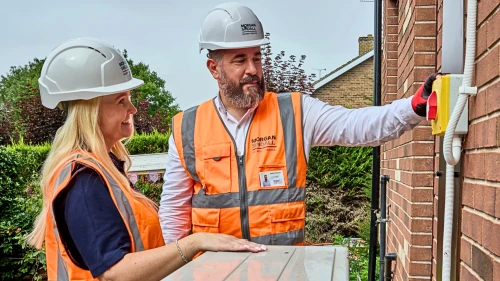
James Green of Breathe Pure shares his insights on why damp and mould persist and what a prevention-first model requires.
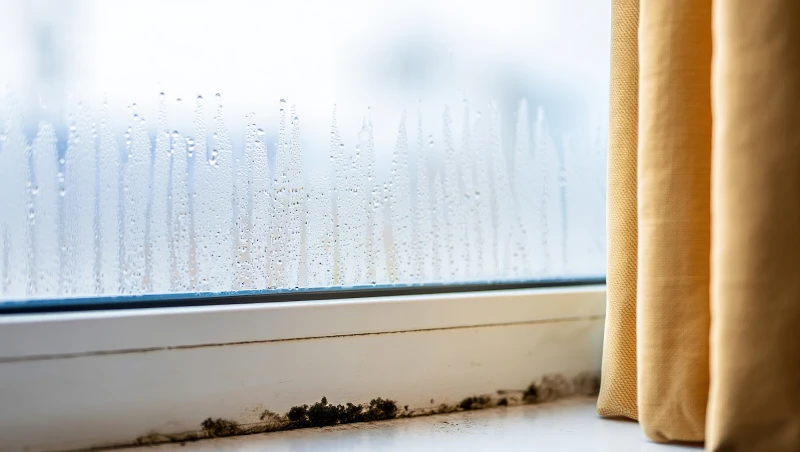
Damp and mould continue to affect homes across all tenures, and many responses remain focused on resident behaviour rather than the building’s ability to manage indoor moisture. Evidence across the sector shows that uncontrolled humidity is a consistent factor, driven by modern living patterns, reduced heating and ventilation limitations.
Older properties often rely on natural ventilation that no longer supports current occupancy levels. New airtight homes can restrict airflow to the point where moisture cannot escape. When heating is reduced due to energy costs, relative humidity increases and condensation becomes more likely. These conditions demonstrate why reactive mould washes or behaviour-based advice rarely resolve the issue.
A Building-Led Understanding of Moisture
Daily activities such as cooking, showering, drying clothes and sleeping generate significant moisture. In homes without effective ventilation pathways, this moisture accumulates quickly. Standard guidance such as opening windows or relying on tumble dryers is not always practical due to security, affordability or lack of outdoor space.
A prevention-focused approach requires the building to play a greater role in managing moisture. Indoor environmental quality must be treated as a fundamental component of health and asset management, not an issue left to residents to resolve through behavioural changes.
From a Healthy Homes Hub perspective, this approach reflects the known relationship between indoor humidity, respiratory health and building deterioration. Damp and mould are indicators of systems that are not functioning as intended.
Technology That Reduces Reliance on Residents
Automated humidity control systems are emerging as a practical option for stabilising indoor conditions. These systems activate only when humidity exceeds a set level and switch off once conditions return to normal. They do not rely on resident intervention, in contrast to portable dehumidifiers, which require emptying, create noise and are often unplugged.
Maintenance requirements are minimal. Filters require occasional cleaning and annual servicing can be carried out during existing statutory visits. This reduces the number of separate appointments and offers a more consistent approach than repeated reactive treatments.
Stable humidity protects building fabric, reduces the likelihood of condensation forming and supports more predictable indoor environmental conditions.
Using Environmental Data for Early Action
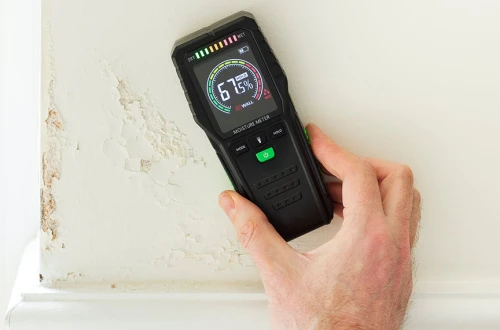
Humidity, temperature and air quality sensors now provide valuable information about how homes are performing. However, data only improves outcomes when linked to clear operational processes.
Patterns such as persistent high humidity, slow drying rates or night-time spikes can all signal ventilation or heating issues long before mould becomes visible. Using this information to trigger targeted inspections or adjustments allows early intervention and reduces the need for repeated visits.
Integrating environmental data into routine asset management and repairs planning creates a preventative workflow. Defined thresholds and escalation routes ensure that risks are addressed before they escalate into more significant problems.
Reducing Resident Burden Through Better Coordination
Many current damp and mould responses involve multiple visits for inspection, cleaning, repairs and follow-up. This creates unnecessary disruption and does not always address underlying causes. Coordinating these activities reduces duplication and improves efficiency.
Aligning annual servicing for humidity systems with gas safety checks or other compliance visits is one practical way to streamline operational activity. This reduces appointment volumes and provides a clearer, more predictable experience for residents.
Plain-English communication remains essential. Residents benefit from simple information about airflow, ventilation and moisture movement. However, this should support building-level interventions rather than act as the primary mechanism for prevention.
Embedding Prevention Across the Sector
Preventing damp and mould requires consistent processes for ventilation assessment, humidity control and data-led risk identification. Indoor environmental quality should be monitored in the same systematic way as other health-related building functions.
A prevention-first model incorporates ventilation checks, defined humidity thresholds, use of automated systems where needed and early intervention triggered by data. It recognises that most homes produce more moisture than they can naturally manage and that technical measures must support residents, not the other way around.
This approach supports healthier indoor environments, reduces long-term operational costs and protects the condition of homes.
Practical Steps for Housing Providers
Review ventilation performance, airflow routes and fan operation across stock.
Use humidity and temperature data to identify emerging risks early.
Install automated humidity control in homes with persistent or predictable moisture issues.
Align servicing and compliance visits to reduce disruption for residents.
Provide residents with clear, practical information about airflow and moisture behaviour.
Unlock all content
This is the 1 of 3 articles you can access for free. Become a member to unlock unlimited access to our full content library.