

How To Navigate The Change From EPC’s to MEES For Housing Retrofit Projects
4th December 2025
Rebecca Hart,
Novus Property Solutions
Good health starts at home and improved energy efficiency in the home can directly contribute to better health and wellbeing outcomes for residents.
For example, if people are living in warmer environments this helps to reduce cold-related illnesses and lowers the number of cases of damp and mould as improved insulation and ventilation in the home cuts instances of condensation. This also leads to reduced indoor air pollutants and allows for cleaner air to circulate in the home.
More efficient homes can also lead to lower energy bills. This in turn helps to reduce stress and anxiety for residents. Whilst the ability to live in a comfortable and affordable to heat home helps to foster a greater sense of security and wellbeing.
Energy efficiency becomes very important when you are looking at protecting the health of more vulnerable groups such as older people, young children and those with disabilities or long-term health conditions.
So, how do we treat our ageing housing stock to allow us to create energy efficient homes that are better for the health of their residents?
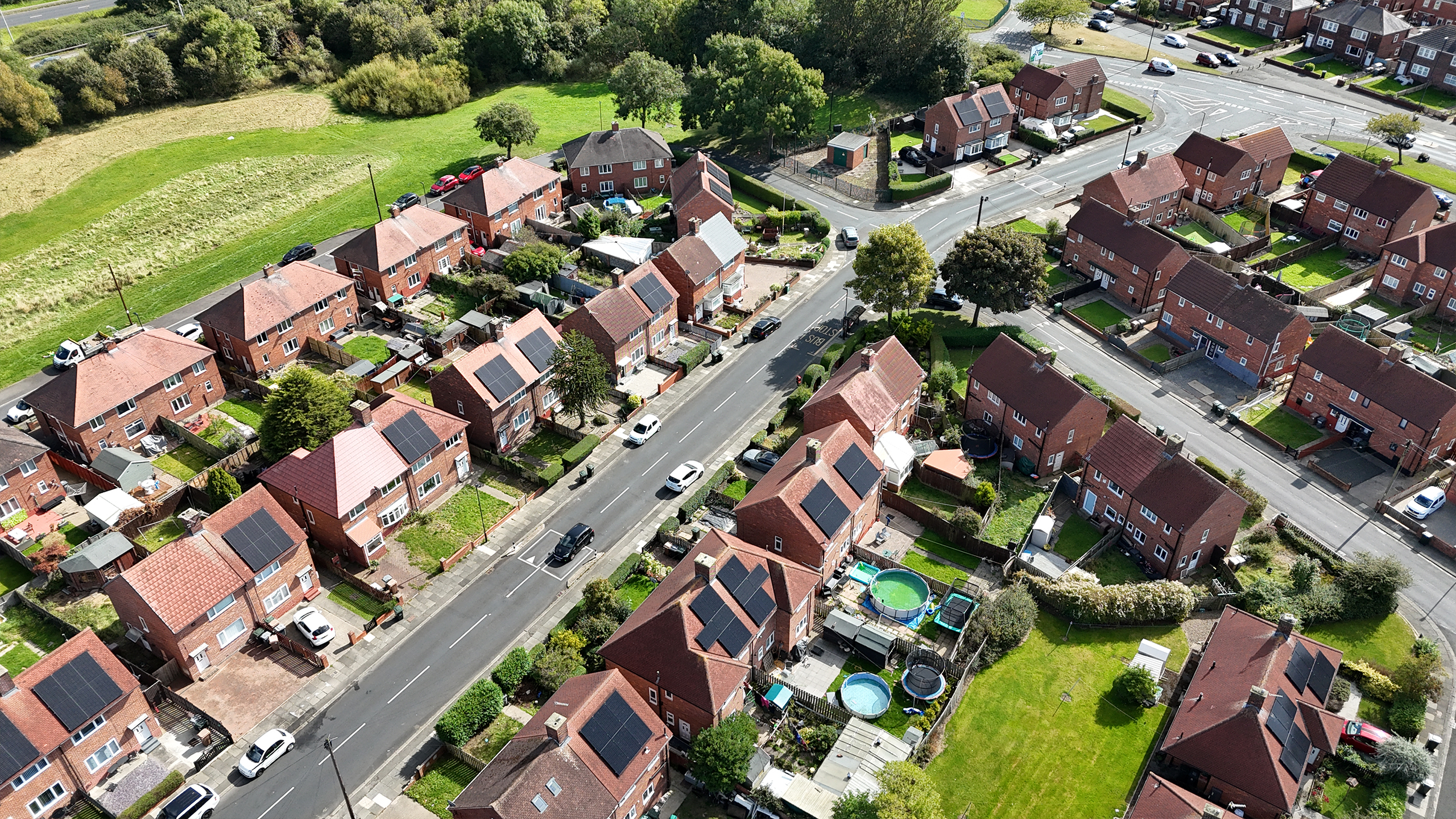
Retrofit by its nature is a technical intervention in the operation of the home, but it can also be viewed as a health intervention. An intervention that can improve the health of occupants (as we have discussed above) alongside being an intervention that improves the health of the home as an asset for the landlord.
But how do we measure the impact of energy efficiency and what are the barriers to delivering this at scale?
Energy Performance Certificates, or EPC’s as they are widely known, are formal documentation that assesses and rates the energy efficiency of a property. They are required by law to be in place when properties are built, sold or rented in the UK. It is fair to say that they receive mixed views from professionals and residents alike, but what they do now is provide a generally understood benchmark that all involved in the housing sector can understand and work against.
As a sector we are now faced with the question of how we ensure a smooth transition from current EPC metrics into the new proposed Minimum Energy Efficiency Standards (MEES), which have been introduced by the Government with the aim of improving the energy efficiency performance of properties.
New MEES requirements for social rented homes in England (EPC band C or equivalent) must be met by 2030. This is a short timeframe to deliver within. This poses both a technical and volume challenge to the sector. The MEES will focus on addressing three core performance metrics on all social housing properties - fabric performance, heating efficiency and smart readiness of homes with the current Energy Efficiency Rating likely to remain, but with reduced prominence in future assessments.
One potential area of concern is that the proposed exemption categories, which allow landlords under certain circumstances dispensation from works to improve the energy performance of properties means that some of the worst performing properties might be overlooked. This is something that will not be a good result for those residents, especially as these are more than likely to be homes to vulnerable groups.
On the positive side, clearer interpretation of standards provides operators more qualitative metrics to measure against and allows housing providers the opportunity to address poor quality data relating to their housing stock. It is often commented that the sector is awash with data, but it is the analysis and interpretation of that data that varies. With this new approach, it can be argued that it is provides the sector with a fresh start on data collection and interpretation.
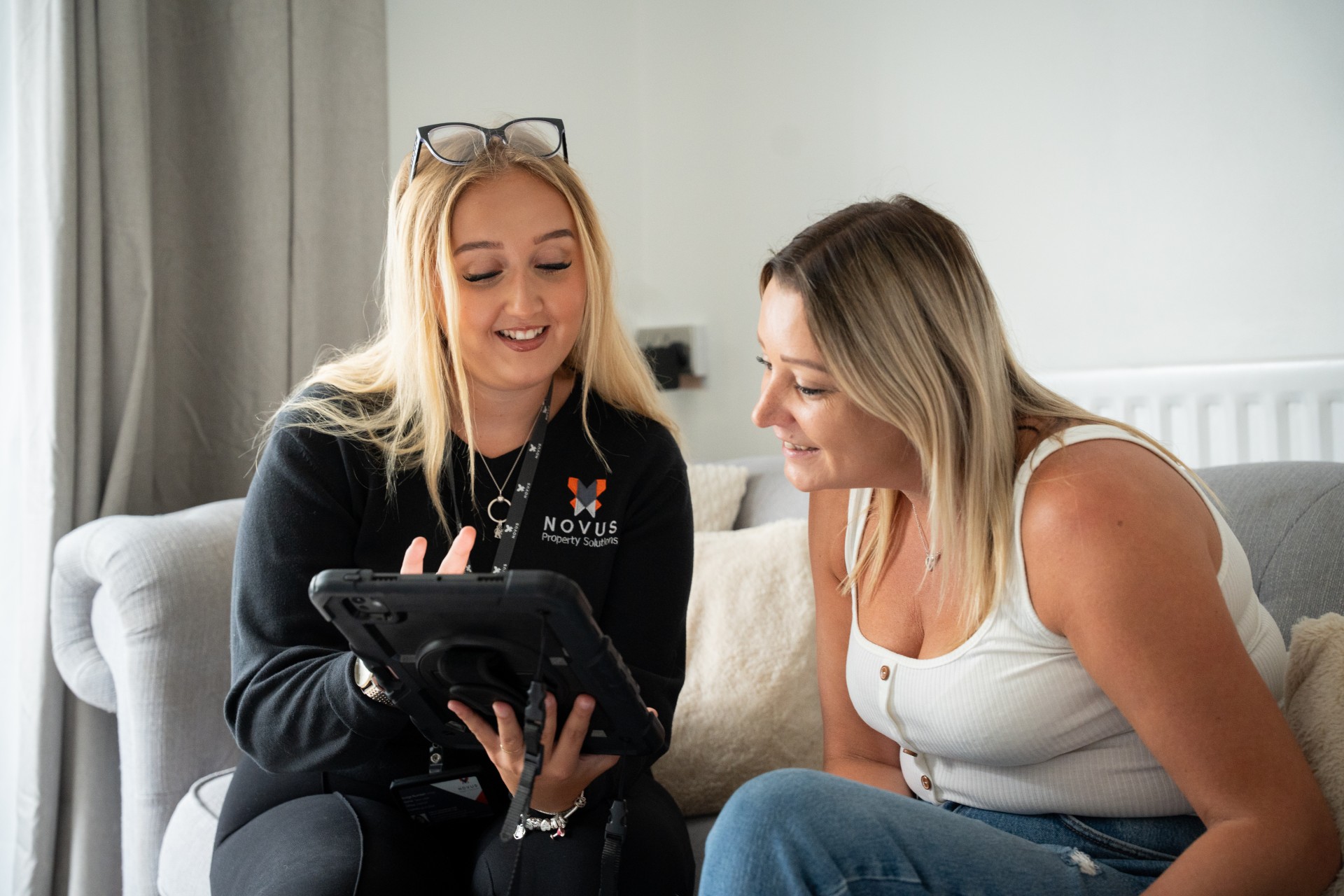
For ourselves here at Novus we place a real emphasis on consistency of approach to retrofit projects (of all sizes). We do this by using technology effectively, undertaking stock validations, carrying out robust condition surveys and most importantly listening to residents.
To be truly effective you need to have a complete picture of the works required, at both a macro and micro level. This allows providers to align asset management plans to make sure that the data feeding into the planning of the project is accurate and adding value. Stock validation provides you with accurate baseline performance data, whilst robust condition surveys will help to pick up damp, mould and condensation issues as well as non-energy related defects.
Nothing beats listening to residents though. Occupancy surveys provide an ideal opportunity to pick up on defects and help to understand resident behaviour. All this knowledge is vital to design the appropriate interventions but also help guide on how residents will interact with the measures once installed.
Modelling a range of energy options and presenting them fully helps housing providers to make more informed decisions. What we cannot afford as a sector to do is just select the quick wins. Experience has shown that quite often that means additional costs and disturbance further down the line. Housing is a long-term asset and decision-making should reflect this. There is a need, particularly in retrofit, to look ahead to ensure projects are future proofed as far as possible.
In a way retrofit should really have simple measures. After a project it should be able to display that from a financial perspective it leaves the resident better off, it should provide a more comfortable and healthier living environment, and it should cut the level of emissions associated with running the home. If it fails one of those measures, has it really worked?
I started by outlining the health benefits of greater energy efficiency in homes. We have discussed there are some challenges to be addressed by transitioning to MEES, but those health benefits far outweigh any pain that might be felt in getting there. This is the prize we should keep in mind. No one is saying it is an easy job, but it is a path that we can all understand, and through greater collaboration and partnership working, one that is very much worth it if we improve the health outcomes for residents and mutual benefits for landlords in the retained value of their homes.
Unlock all content
This is the 1 of 3 articles you can access for free. Become a member to unlock unlimited access to our full content library.
Author