

Adapting to Climate Change in Social Housing
23rd November 2024
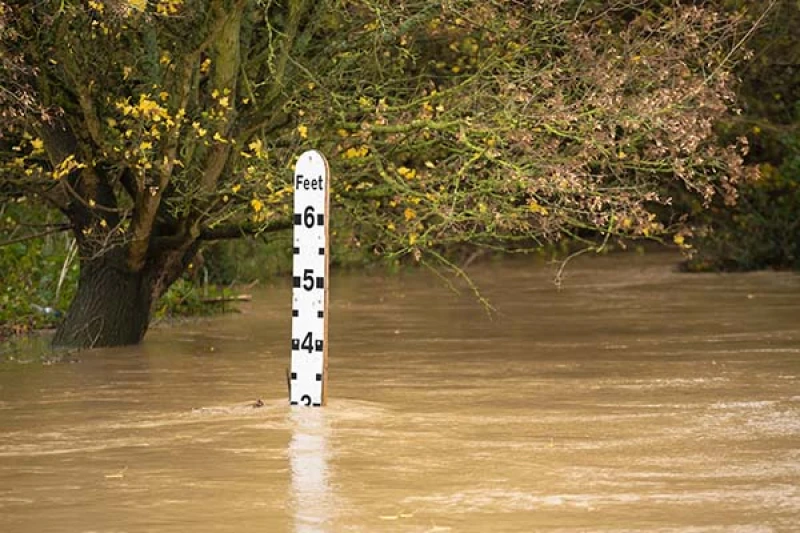
As climate change accelerates, its effects are reshaping the way we think about housing. From intense rainfall and flooding to wildfires and extreme temperatures, the risks to homes and communities are increasing.
In a recent conversation, Claire Bailey, Head of Innovation at Places for People (PFP), shared her organisation’s proactive approach to building climate resilience.
Claire’s journey into climate adaptation began with her transition from frontline supported housing to innovation. Tasked with helping PFP navigate the Task Force on Climate-Related Financial Disclosures (TCFD) requirements, she quickly realised the importance of assessing climate risks to the organisation’s 70,000+ homes. While regulatory compliance was the initial driver, the organisation soon recognised the broader value of preparing for climate challenges.
Starting with Data and Tools
PFP’s approach to climate resilience began with leveraging Geographic Information Systems (GIS) mapping. By overlaying asset data with publicly available information, the team could identify risks such as flooding, subsidence, and overheating. Claire highlights the importance of tailoring assessments: “We took a risk-based approach. Instead of evaluating every property, we focused on areas with higher risks.”
Collaboration with external organisations also proved essential. PFP worked with insurers who provided expertise, training, and access to tools like Provisico’s flood alert system, offering up to 48 hours of lead time before heavy rainfall events. This proactive warning system allows PFP to prepare its teams, inform customers, and coordinate responses.
Key Challenges and Learnings
One of the challenges PFP faced was the sheer volume of data required to assess climate risks effectively. Publicly available data varies in quality and scope, which meant relying on multiple sources to create a comprehensive picture. Claire stresses that perfection isn’t necessary to get started. “Doing something is better than doing nothing,” she explains, encouraging other organisations to begin with small, manageable steps.
Timing also played a critical role. “Five years ago, climate risks felt distant,” Claire says. “Today, they’re impossible to ignore.” Increased public awareness has made it easier to engage stakeholders and integrate climate considerations into day-to-day decision-making. From investment strategies to asset disposal and sustainability planning, PFP ensures that climate resilience is part of the conversation.
Practical Actions for Resilience
PFP has already implemented several practical measures, including flood alerts and weaving climate considerations into organisational decisions. For example:
Flood Preparedness: Alerts from Provisico help prepare teams and communities for potential flooding, ensuring sandbags and other resources are ready in advance.
Overheating and Wildfire Risks: GIS data helps PFP identify areas prone to extreme temperatures or wildfires, allowing for targeted mitigation strategies.
Customer Support: While PFP hasn’t widely communicated individual property risks to tenants, it has trained staff to support residents in high-risk areas.
Looking Ahead
The work is far from over. Claire emphasises the importance of continuous learning and adaptability. “We’re not saving anything as a PDF,” she jokes, explaining that climate data and risks evolve too rapidly for static solutions. PFP is also exploring cutting-edge tools, like satellite imaging from Map Impact, to assess wildfire risks more accurately.
Lessons for the Sector
Claire’s advice to other housing organisations is clear: start small, focus on the most pressing risks, and leverage available resources. She recommends beginning with flooding and overheating assessments, as these are the most immediate threats to homes.
For those unsure of where to start, Claire encourages collaboration. “Reach out and have a chat,” she says. PFP is committed to sharing its learnings to help others build climate resilience. As she puts it, “This isn’t just about protecting homes—it’s about safeguarding communities and the future we all share.”
By taking proactive steps today, housing organisations can create healthier, safer homes while mitigating the growing impacts of climate change.
Unlock all content
This is the 1 of 3 articles you can access for free. Become a member to unlock unlimited access to our full content library.