

Use Data to stop Firefighting and start Forecasting
2nd March 2025
Matt Chenery,
HousingAI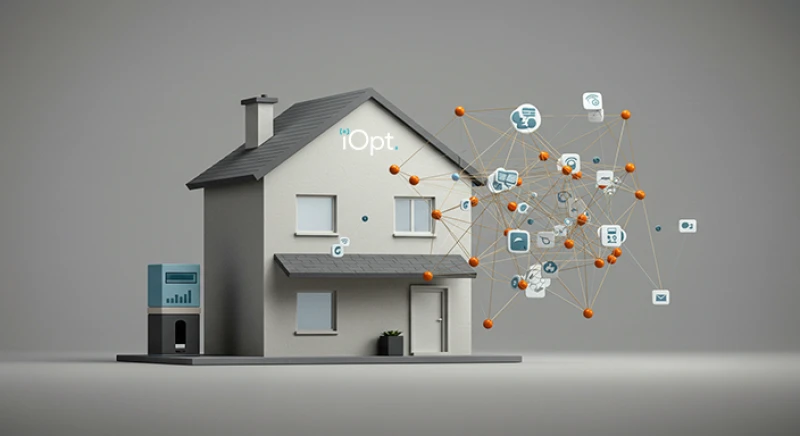
For too long, social housing has been a sector built on reaction. Leaky roofs, damp and mould, fuel poverty—problems are typically addressed only when tenants raise the alarm. But what if housing providers could predict these issues before they escalate? What if, instead of waiting for a desperate phone call, landlords could intervene early and prevent a crisis altogether?
That’s the power of data when used effectively. In a conversation with Tom Davie, Head of Data Insight at iOpt, we explored how digital sensors, real-time monitoring, and smart analysis are already changing how homes are managed. And crucially, how data is helping to prioritise people, not just properties.
At the heart of this shift is the ability to spot patterns. Davie shares a striking example one that goes beyond abstract numbers on a dashboard. A single mother was found to be heating only one room in her home: her daughter’s bedroom. The rest of the house, including her own room, sat at an unliveable 13 degrees Celsius. Without the insights provided by iOpt’s environmental sensors, this struggle would have gone unnoticed. Instead, the data flagged her as at risk, triggering a fuel voucher and support from her landlord. Within days, the home was warmer, and the tenant’s wellbeing dramatically improved.
It’s a small but powerful reminder that data, when used properly, is not about spreadsheets and compliance—it’s about people.
Why Social Housing Must Move Beyond Firefighting
Housing providers are under immense pressure. Since the Regulator of Social Housing’s 2022 directive on damp and mould, the sector has been in overdrive. Thousands of properties have been inspected, maintenance teams have been stretched to their limits, and budgets have been pushed to breaking point. But not every reported case has been urgent—many organisations have spent valuable resources investigating homes that weren’t at risk while more serious cases went unnoticed.
This is where data-driven prioritisation changes the game. By using dynamic thresholds and smart alert systems, landlords can distinguish between homes that need immediate intervention and those that require monitoring. Instead of reacting to every single report with the same urgency, providers can allocate resources where they are most needed.
But it’s not just about maintenance. One of the most overlooked aspects of using data in social housing is its role in tenant engagement. Housing providers often struggle to build trust with residents, particularly when they feel unheard. A key takeaway from iOpt’s work is that data should never replace human interactions—it should enhance them.
By using clear, understandable insights, landlords can start better conversations with tenants. iOpt’s traffic-light system, for example, provides a simple way for residents to see how their home is performing. A green rating means things are fine, while amber or red alerts prompt easy-to-follow advice on ventilation, heating, and damp prevention. Instead of confusing reports, tenants get actionable guidance, helping them take control of their living conditions.
Actions for Housing Providers
To truly harness the power of data, housing providers need to take practical steps. The first is cleaning up existing data. Too many organisations are drowning in information, yet struggling to extract anything useful from it. Instead of collecting vast amounts of inconsistent data, the focus should be on quality over quantity. Ensuring that basic property details—such as heating type, insulation levels, and past repairs—are consistently recorded makes a significant difference.
Next, social landlords should embrace proactive monitoring. Whether through IoT sensors, smart meters, or remote diagnostics, data should be used to prevent issues, not just report on them. This means embedding data insights into day-to-day decision-making, rather than treating them as an add-on.
Finally, and perhaps most importantly, data should be seen as a tool for building trust with tenants. By using insights to drive real conversations, rather than just generating reports, landlords can create a more transparent, responsive relationship with the people who live in their homes.
For those who fear that data is too complex, Tom Davie’s approach is refreshingly simple: if someone has to think too much about what the data is telling them, it isn’t doing its job properly.
The real challenge for social housing isn’t just collecting more data—it’s using it in a way that puts people first.
Unlock all content
This is the 1 of 3 articles you can access for free. Become a member to unlock unlimited access to our full content library.
Author