

Lead Exposure in UK Homes: Unveiling the Silent Threat
8th October 2024
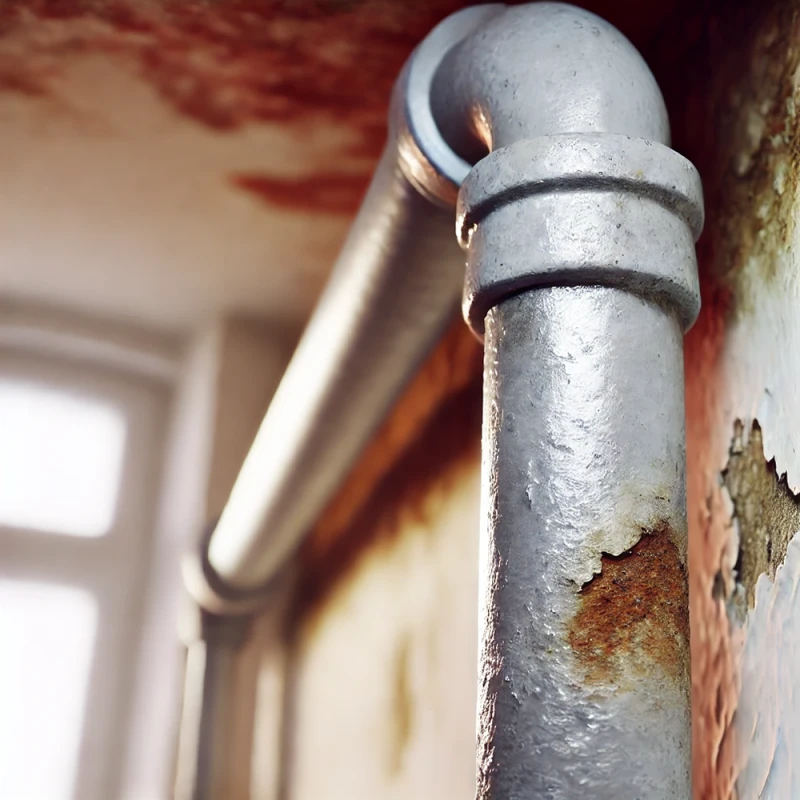
Lead poisoning is often thought of as a relic of the past—a hazard eliminated with the phase-out of leaded petrol and lead-based paints. However, the reality is far from reassuring. Lead exposure remains a significant and underrecognized threat in the United Kingdom, particularly within our homes. It's a silent menace affecting both urban and rural areas, cutting across socio-economic lines, and posing serious health risks, especially to children.
The Hidden Dangers in Our Homes
Approximately half of the homes in the UK could potentially contain lead-based paint, especially those built before the 1990s. While newer homes are less likely to have this issue, older properties often still harbour layers of lead paint beneath newer coats. When this paint starts to flake or chip—common in damp conditions—it becomes a significant health hazard. Small children are particularly at risk due to their natural hand-to-mouth behaviours and time spent playing on the floor where paint chips might accumulate.
Children with pica, a condition characterised by the ingestion of non-food items, are at an even higher risk. Recent cases have emerged where children have suffered severe lead poisoning after consuming lead paint chips, leading to hospitalisations and long-term health consequences.
Renovations and repairs in older homes can inadvertently increase exposure if not conducted properly. For instance, replacing old windows without proper safety measures can release lead dust and chips into living spaces. Despite existing regulations aimed at controlling such exposures, enforcement is often lacking, and awareness remains low among contractors and homeowners alike.
Lead Pipes: An Outdated Infrastructure
Lead pipes are another pervasive source of exposure. The Housing Health and Safety Rating System (HHSRS) indicates that around 9 million homes in the UK still have lead pipes. These pipes can leach lead into drinking water, posing a daily risk to occupants. Scotland has taken proactive steps with its Repairing Standard, requiring landlords to remove lead pipes or test water safety before renting a home However, similar mandates are not yet widespread across the rest of the UK.
Comparatively, the United States has committed $15 billion in the Biden-Harris Lead Pipe and Paint Action Plan to remove all lead pipes from its drinking water supply, recognising the long-term health benefits and cost savings of such an initiative. It's a commitment that highlights the urgency of addressing lead exposure at a national level.
Beyond Paint and Pipes: Other Sources of Exposure
Lead lurks in unexpected places:
Playgrounds: Studies in the Southwest have found lead-based paint on playground equipment.
Soil: Lead from historical use of leaded petrol remains in the soil, especially in urban areas, posing risks when children play outside or when families grow vegetables in contaminated ground.
Household Items: Some imported toys, cosmetics like kohl, and traditional medicines have been found to contain lead.
Food and Spices: Imported spices such as turmeric can be adulterated with lead to enhance colour and weight.
Glassware and Crockery: Decorative paints on glasses and old dishware may contain lead, which can leach into food and drinks.
Occupational Exposure: Workers in industries like roofing or construction may bring lead dust home on their clothing, unknowingly exposing their families.
The Health Impact: More Than Meets the Eye
Lead is a neurotoxin with no safe level of exposure. It accumulates in the body over time, affecting nearly every system:
Neurological Effects: Decreased IQ, attention deficits, ADHD, autism spectrum disorders, and behavioural issues like delinquency and increased criminal behaviour.
Reproductive Health: Miscarriages, reduced fertility, and decreased sperm count.
Cardiovascular Issues: Increased risk of hypertension and heart disease, which is the leading cause of death globally.
Kidney Damage: Chronic exposure can lead to decreased kidney function.
Anaemia and Immune System Suppression: Lead interferes with the body's ability to produce healthy blood cells and fight infections.
A study published in The Lancet indicated that a significant portion of cardiovascular deaths could be attributed to lead exposure. The costs are not just health-related but also economic, with estimates suggesting that lead exposure costs the UK economy between £43 to £100 billion annually due to healthcare expenses, special education costs and lost productivity.
A Global Crisis with Local Solutions
Globally, UNICEF estimates that lead poisoning affects 800 million children—one in three worldwide—costing an estimated $6 trillion per year. Despite these staggering figures, awareness and action remain insufficient.
In the UK, there hasn't been a comprehensive survey on lead exposure since the 1990s. However, recent estimates suggest that around 351,000 children in the UK are lead-poisoned, approximately 3% of the child population (u18).
Other countries have taken decisive steps:
France requires testing homes built before 1949 for lead.
The United States mandates disclosure of lead paint in properties and screens children at ages one and two.
Denmark has banned all non-essential uses of lead.
Denmark has stringent regulations eliminating lead from most products.
Prevention: Simple Steps with Significant Impact
Preventing lead exposure doesn't always require massive infrastructure changes; awareness and simple actions can make a significant difference:
Safe Renovation Practices: Avoid dry sanding old paint. And ask contactors if they follow the paint safe guidance.
Maintain Paintwork: Keep painted surfaces in good condition to prevent peeling or chipping.
Flush Taps: Run cold water taps for a few minutes in the morning to flush out any lead that may have leached overnight.
Hygiene Practices: Remove shoes when entering the home, wash hands before eating, and regularly clean floors and window sills.
Avoid High-Risk Items: Be cautious with old or imported pottery, toys, and cosmetics.
Test Your Home: Lead exposure risk assessments can be inexpensive and provide peace of mind.
The Call to Action
Organisations like the Lead Exposure and Poisoning Prevention Alliance are advocating for:
Mandatory Risk Assessments: Including lead exposure assessments during home surveys for sale or rent.
Public Awareness Campaigns: Providing information through DIY outlets and public health messages.
Professional Education: Training GPs and healthcare providers to recognise and test for lead poisoning.
Policy Changes: Aligning UK regulations with international best practices to eliminate non-essential lead use and enforce existing laws.
Conclusion
Lead poisoning is not a problem of the past; it's a present and pressing issue that requires collective action. By increasing awareness, enforcing regulations, and taking simple preventative measures, we can protect our children and communities from this silent threat. It's time to bring lead exposure back into the public conversation and take decisive steps to eliminate it from our homes and lives.
Based on conversation with Tim Pye, LEAPP Alliance (Lead Exposure and Poisoning Prevention Alliance). Find out more information and how to contact them here.
Unlock all content
This is the 1 of 3 articles you can access for free. Become a member to unlock unlimited access to our full content library.