
Tackling Overheating in Social Housing: Insights from Map Impact
13th September 2024
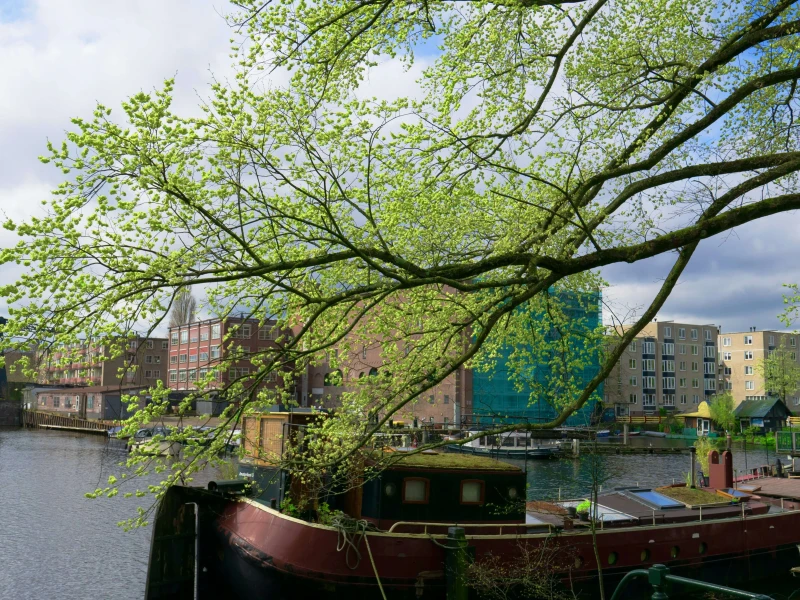
As the climate warms faster than predicted, the risk of overheating in homes, especially in urban areas, is becoming a significant health concern.
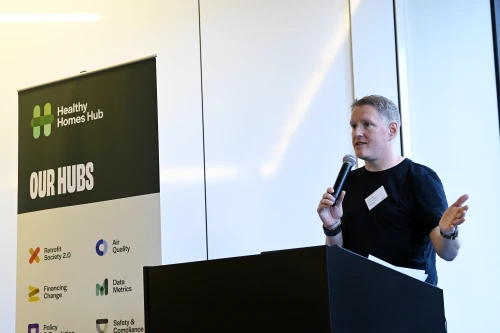
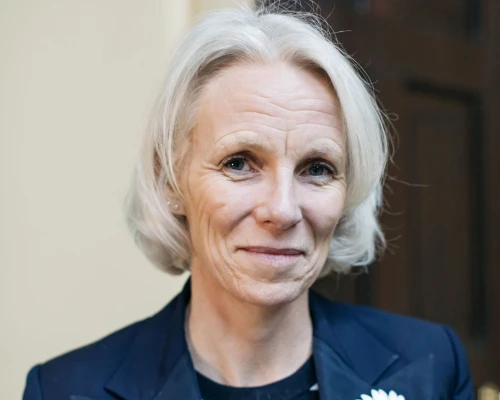
In a recent conversation with Richard Flemmings, CEO of Map Impact, Jenny Danson, co-founder of Healthy Homes Hub, delved into this critical issue, exploring the challenges and potential solutions for mitigating overheating in social housing.
Richard started by highlighting the growing concern of overheating due to rising temperatures and the urban heat island effect. "Recent studies show that a fifth of homes in England currently overheat, and one-third are at high risk in the future. Our buildings weren't designed for these increasing temperatures and heatwave events," he explained. This problem is particularly acute in densely populated urban areas where materials like concrete absorb and retain heat longer than green spaces.
Statistics from the Climate Change Committee underscore this issue. According to a report by Arup, about 55% of the UK's housing stock, or 15.7 million homes, would fail the "bedroom overheating" test in the current climate. This indicates a widespread vulnerability to heatwaves across the country.
Jenny emphasised the importance of considering neighbourhoods as part of retrofit upgrades. "To make homes healthy, we must think about the neighbourhood and place, incorporating green and blue spaces," she said. Richard agreed, noting that the focus should extend beyond the buildings themselves.
By treating the neighbourhood differently, we can achieve significant cost savings and better outcomes for the buildings themselves
Richard Flemmings, CEO of Map Impact
The health implications of overheating are severe, particularly for vulnerable populations such as the elderly, those with health issues, and pregnant women. "Overheating can worsen respiratory conditions and has been linked to increased mortality during heatwaves," Richard noted, referencing the increased deaths during the significant heatwaves of 2022. The sustained high temperatures can lead to severe health issues, especially for those unable to regulate their body temperature effectively.
Richard also pointed out the impact of high humidity, which exacerbates the problems caused by heat. "When humidity is high, it becomes more difficult for people to cool down through sweating, which can lead to serious health issues," he explained. This highlights the importance of not only addressing high temperatures but also managing humidity levels in homes and neighbourhoods.
Learning from countries accustomed to higher temperatures can provide valuable insights. Richard pointed out,
Southern European countries design their buildings to handle much higher temperatures. Simple measures like awnings over windows or painting houses white to reflect heat are strategies we can adopt here to help with rising temperatures.
Integrating green and blue spaces into urban planning can significantly mitigate the effects of heatwaves. "Parks and green spaces, places with trees, rather than absorbing heat and releasing it slowly, provide a cooling effect. The difference can be as much as four to six degrees, which is significant," said Richard. Jenny added, "Not just trees, but allowing grass to grow and incorporating green roofs can also help, providing broader benefits for physical and mental health."
A practical application of these insights is seen in Map Impact's work with Livv Housing in Knowsley, near Liverpool. "Livv Housing has a forward-thinking net-zero strategy. They realised their building stock could become a significant liability if they don't consider climate impacts. They asked us to provide heat susceptibility information for their properties," Richard explained. This information helps prioritise interventions to protect residents from increasing heatwave risks, ensuring resources are directed where most needed.
Housing providers should consider neighbourhood-wide strategies to combat overheating. "Understanding what's happening in the neighbourhood allows for strategic decisions about managing the land around properties, positively impacting the buildings themselves," Richard suggested. This approach addresses the immediate issue of overheating and offers significant cost savings.
The conversation also touched on the broader benefits of green and blue spaces. Richard highlighted,
Green infrastructure can absorb water during floods, improve air quality by absorbing pollution, and enhance well-being by providing green spaces. Rivers and water bodies also create a cooler environment, extending their cooling effect to surrounding areas.
Richard emphasised the multi-faceted benefits of green and blue infrastructure. "Beyond cooling, these spaces can help manage stormwater, reducing the risk of flooding. They also improve air quality and contribute to mental well-being by providing natural areas for people to enjoy," he said. This holistic approach to urban planning can create healthier, more resilient communities.
As the UK invests in upgrading homes to meet net-zero targets, addressing both cold and heat risks is crucial. Flemmings stressed, "We need to think about the neighbourhood, not just the home. Mitigation activities around the home can have a really positive impact." This holistic approach ensures that interventions are effective and sustainable in the long term.
The discussion concluded with a call for collaboration. "We aim to be collaborative and work with others because no single entity can solve these problems alone," Richard emphasised. This sentiment resonates with the Healthy Homes Hub mission, which seeks actionable insights and strategic partnerships to create healthier homes and communities.
Richard shared his vision for the future, highlighting the importance of integrating climate and nature data. "Our work with Livv Housing is just the beginning. We're developing a nationwide biodiversity product to complement our heat data, understanding that managing climate and nature together offers strong mitigation powers for urban environments," he explained.
The conversation underscored the urgent need to address overheating in social housing. With rising temperatures and more frequent heatwaves, proactive measures are essential to protect vulnerable populations. By integrating green and blue spaces, adopting lessons from hotter climates, and leveraging advanced technologies like those from Map Impact, housing providers can create sustainable, healthy environments for their residents. Collaboration and innovative thinking will be key to tackling the complex challenges posed by climate change effectively.
Unlock all content
This is the 1 of 3 articles you can access for free. Become a member to unlock unlimited access to our full content library.